Scaling Semiconductor Supply Chains: Ultra-High Purity Gases
- March 1, 2026
- AI chip manufacturing
- Australia technology sector
- Chip production efficiency
- Electronic specialty gases
- Gas purification
- High-performance computing
- Industrial gases
- Semiconductor manufacturing gases
- Semiconductor supply chain
- Silicon wafer production
- Supply chain stability
- UHP gases
- Ultra-high purity gases
- Wafer fabrication
Scaling Semiconductor Supply Chains: Ultra-High Purity Gases
- March 1, 2026
- AI chip manufacturing
- Australia technology sector
- Chip production efficiency
- Electronic specialty gases
- Gas purification
- High-performance computing
- Industrial gases
- Semiconductor manufacturing gases
- Semiconductor supply chain
- Silicon wafer production
- Supply chain stability
- UHP gases
- Ultra-high purity gases
- Wafer fabrication
Scaling the Semiconductor Supply Chain: The Role of Ultra-High Purity Gases The global hunger for computational power, driven largely by the exponential growth of Artificial Intelligence (AI) and 5G telecommunications, has placed the semiconductor industry under a microscope. To meet this demand, manufacturers are not just building more “fabs” (fabrication plants); they are re-engineering the foundational chemistry of chip production. Central to this effort is scaling the semiconductor supply chain: the role of ultra-high purity gases cannot be overstated. In the precision-driven world of nanometre-scale circuitry, even a single rogue molecule of oxygen or moisture can ruin a silicon wafer. As Australia seeks to bolster its niche position in the global tech ecosystem and major hubs in Asia and the U.S. expand, the reliability and purity of electronic specialty gases have become the primary benchmarks for chip production efficiency. See more: How an Oxygen Compressor Can Improve Your Home Oxygen Therapy Experience What are Ultra-High Purity (UHP) Gases in Semiconductors? Ultra-high purity (UHP) gases are the lifeblood of a semiconductor fab. Unlike industrial-grade gases, UHP gases are refined to levels where impurities are measured in parts per billion (ppb) or even parts per trillion (ppt). In the context of semiconductor manufacturing gases, these substances are used in almost every stage of the photolithography, etching, and doping processes. Without them, the atomic-level precision required for modern 3nm and 5nm chips would be physically impossible to achieve. Categories of Essential Gases The Critical Role of Gases in Chip Production Efficiency Efficiency in a semiconductor fab is measured by “yield”—the percentage of functional chips on a single wafer. Chip production efficiency is directly tethered to the consistency of the gas supply. 1. Maintaining Atmosphere Integrity During deposition, carrier gases like Nitrogen ($N_2$) and Argon ($Ar$) create an ultra-clean “blanket.” This prevents oxidation, which is the leading cause of “killer defects” in wafer fabrication. 2. Precision Etching and Deposition Specialty gases like Nitrogen Trifluoride ($NF_3$) and Tungsten Hexafluoride ($WF_6$) allow for the creation of 3D structures on a chip. As transistors shrink, the margin for error in gas concentration vanishes. Any fluctuation in purity results in immediate downtime and millions of dollars in lost revenue. 3. Thermal Management Helium ($He$) is frequently used for its high thermal conductivity to cool wafers quickly during high-heat processes, ensuring the structural integrity of the delicate silicon lattice. Scaling Challenges: Meeting Global AI Demand The “AI Gold Rush” has shifted the requirements for the semiconductor supply chain. High-performance computing (HPC) chips require more layers and more complex architectures, leading to a surge in gas consumption per wafer. Supply Chain Stability Statistics According to recent industry reports, the global electronic gases market is projected to reach over $12 billion by 2028. Major regional hubs are responding with massive infrastructure investments: Gas Type Primary Use Required Purity Level Nitrogen ($N_2$) Purging & Inerting 99.9999% (6N) Argon ($Ar$) Plasma Etching 99.9999% (6N) Silane ($SiH_4$) Silicon Deposition 99.999% (5N) Nitrogen Trifluoride ($NF_3$) Chamber Cleaning 99.99% Regional Hubs and Logistics: From Asia to Australia The logistics of scaling the semiconductor supply chain involves more than just chemistry; it requires a sophisticated distribution network. The Asian Powerhouse Asia remains the heartbeat of semiconductor gas consumption. Locations like Hsinchu (Taiwan) and Pyeongtaek (South Korea) require “over-the-fence” gas plants. These are dedicated air separation units (ASUs) built directly adjacent to the fab to ensure a continuous, pipe-fed supply of UHP Nitrogen and Oxygen. The Australian Connection While Australia is not currently a mass-producer of leading-edge logic chips, it plays a vital role in the semiconductor manufacturing gases ecosystem. Australia is a significant producer of rare gases and the raw materials required for specialty gas synthesis. As the world looks to “friend-shore” supply chains, Australia’s stable regulatory environment makes it an ideal partner for the purification and export of these critical molecules. Best Practices for Scaling Gas Infrastructure For firms looking to optimize their supply chain, several best practices emerge: Common Mistakes in Gas Supply Management FAQ: Semiconductor Gases and Supply Chain What is the most used gas in semiconductor manufacturing? Nitrogen ($N_2$) is the most used gas by volume. It is used for purging equipment, wafer transport, and creating inert environments to prevent contamination. Why is Nitrogen Trifluoride ($NF_3$) important? $NF_3$ is a critical cleaning gas. It removes residue from the insides of chemical vapor deposition (CVD) chambers without damaging the equipment, which is vital for maintaining high uptime. How does gas purity affect AI chip production? AI chips require incredibly high transistor density. Any impurity in the gas can cause a “short” in the circuit, rendering the expensive high-end chip useless. Can Australia become a leader in semiconductor gases? Yes. Australia’s strength lies in its mineral wealth and burgeoning high-tech manufacturing sector, providing the raw materials and refined specialty gases needed for global supply chain resilience. What is an “Electronic Specialty Gas” (ESG)? ESGs are a group of high-performance gases used in specific semiconductor processes like etching, doping, and thin-film deposition, often requiring extreme handling precautions due to their reactive nature. Conclusion: The Future of High-Purity Infrastructure As we move further into the decade of AI, the infrastructure behind the scenes will determine the winners of the digital age. Scaling the semiconductor supply chain: the role of ultra-high purity gases is the unsung hero of this technological evolution. By focusing on chip production efficiency and the precise application of electronic specialty gases, manufacturers can ensure they meet the global demand for faster, smaller, and more efficient processors. For stakeholders in Australia and abroad, the path forward involves investing in purification technology and localized supply loops to insulate the industry from global shocks. Internal Linking Suggestions: Authoritative External References:
Read More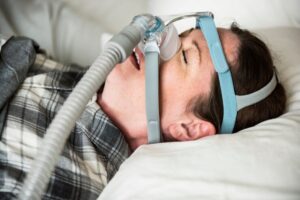
Best CPAP Mask Guide 2026: Types, Fitting & Australian Tips
Finding the right CPAP mask is often the single most important factor in determining whether sleep apnea therapy succeeds or fails. For many Australians, the initial transition to Continuous Positive Airway Pressure (CPAP) can feel overwhelming. However, modern engineering has transformed these devices from bulky medical gear into streamlined, comfortable, and whisper-quiet interfaces. Whether you are a restless sleeper, a mouth breather, or someone who feels claustrophobic, there is a specific mask design tailored to your facial anatomy and breathing habits. This guide provides an in-depth look at selecting the perfect interface to ensure high compliance and restorative sleep. What is a CPAP Mask and Why Does Choice Matter? A CPAP mask is the physical interface between your sleep apnea machine and your airway. It delivers a pressurized stream of filtered air that acts as a “splint,” keeping your upper airway open and preventing the collapses associated with Obstructive Sleep Apnea (OSA). In the Australian market, the variety of masks available has expanded significantly. Choosing the wrong style doesn’t just cause discomfort; it leads to air leaks, skin irritation, and “therapy non-compliance,” where the patient eventually stops using the machine altogether. A well-fitted mask ensures the pressure delivered matches the pressure prescribed by your sleep specialist. The Three Primary Types of CPAP Masks To achieve “topical authority” in your sleep health journey, you must understand the three core categories of masks. Each serves a specific physiological need. 1. Full Face Masks These masks cover both the nose and the mouth. They are the gold standard for patients who breathe through their mouths or those who have frequent nasal congestion. 2. Nasal Masks A nasal mask fits over the nose only, ranging from the bridge to the upper lip. It offers a more natural feeling than a full-face version. 3. Nasal Pillow Masks These are the most minimalist options. They use small silicone inserts that rest at the entrance of the nostrils. How to Choose the Right Interface: A Step-by-Step Framework Selecting a CPAP mask in Australia requires a logical approach based on your sleeping style and anatomy. Step 1: Identify Your Breathing Pattern Do you wake up with a dry mouth? If so, you are likely a mouth breather. A full-face mask is usually necessary here to prevent the pressurized air from escaping through your mouth, which renders the therapy ineffective. Step 2: Consider Your Sleeping Position Step 3: Facial Features and Obstructions If you have a beard, a nasal pillow mask often provides a better seal than a mask that must sit flush against the skin of the chin or cheeks. Similarly, if you wear glasses, look for “under-the-nose” designs that eliminate the forehead support bar. Benefits of a High-Quality Mask Fit Benefit Impact on Therapy Reduced Air Leaks Ensures the machine maintains the correct therapeutic pressure. Skin Integrity Prevents “mask burn,” sores, and pressure marks on the bridge of the nose. Quiet Operation Modern masks feature diffused venting to keep the air stream quiet for your partner. Higher Compliance You are more likely to wear the mask all night if it feels “barely there.” Best Practices for CPAP Mask Maintenance To maintain a hygienic seal and prolong the life of your equipment, follow these industry-standard practices: Common Mistakes and How to Avoid Them Overtightening the Straps Many users believe that if a mask is leaking, they should pull the straps tighter. This often creates more leaks because the silicone cushion needs air to “inflate” and create a seal. If you have to overtighten, the mask is likely the wrong size or style. Ignoring Small Leaks A small hiss of air into the eyes can cause chronic dryness and irritation. If you feel air escaping near the bridge of your nose, readjust the headgear or consider a mask with a different cushion shape. Using the Wrong Size Australia’s leading CPAP providers offer sizing gauges. A mask that is too large will shift during the night, while one that is too small will pinch the nostrils or cause sores. Advanced Tips for Australian Users In the Australian climate, humidity plays a massive role in mask comfort. During humid Queensland summers or dry Victorian winters, your mask’s performance might change. Internal Linking Suggestions Recommended External References Frequently Asked Questions (FAQ) How often should I replace my CPAP mask? In Australia, it is generally recommended to replace the entire mask every 6 to 12 months, though the silicone cushions may need replacing every 3 months to maintain an airtight seal. Can I use a nasal mask if I have a cold? It is difficult to use a nasal or pillow mask with a blocked nose. Many users keep a backup full-face mask for use during allergy seasons or when they have a cold. Why does my mask whistle at night? Whistling is usually a sign of a small leak or a blocked exhalation port. Clean the tiny vent holes with a soft brush and ensure the cushion is properly seated on the mask frame. Are all CPAP masks compatible with all machines? Yes, almost all masks use a standard 22mm connector, meaning you can use a ResMed mask with a Fisher & Paykel machine, and vice-versa. The only exceptions are specific “travel” machines that require proprietary connectors. How do I stop the mask from leaving marks on my face? Ensure you aren’t overtightening. You can also use soft fleece strap covers or mask liners to create a barrier between the silicone and your skin. Conclusion Finding the right cpap mask is a journey of trial and adjustment. By understanding your breathing style—whether you are a mouth breather or a side sleeper—and prioritizing a mask that fits your unique facial structure, you can transform your sleep apnea treatment from a chore into a life-changing habit. High-quality sleep is the foundation of health, and the right interface is the key to unlocking it. If you are struggling with your current setup, don’t give up on therapy; instead, consult with a sleep professional to
Read More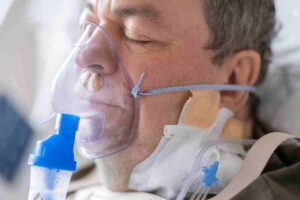
How an Oxygen Compressor Can Improve Your Home Oxygen Therapy Experience
Introduction If you or a loved one requires oxygen therapy at home, you understand the importance of reliable and efficient equipment. An oxygen compressor is one such device that can significantly enhance your home oxygen therapy experience. Whether you’re using a home oxygen machine, oxygen concentrator, or an oxygen tank, an oxygen compressor can offer improved efficiency, cost savings, and greater comfort. In this article, we will explore how an oxygen compressor can help optimize your home oxygen therapy, the benefits it provides, and why it might be the right choice for your needs. What Is an Oxygen Compressor? An oxygen compressor is a device that increases the pressure of oxygen, making it more concentrated and easily delivered to the patient. Unlike traditional oxygen tanks, which store oxygen in liquid or gaseous form, oxygen compressors pressurize air to deliver oxygen at home in a more controlled and efficient manner. These devices are particularly useful for patients who require medical oxygen for longer durations and need a continuous, reliable supply of oxygen. By clicking here you can also read about Alternative Sleep Apnea Treatments for Those Who Can’t Tolerate CPAP. Oxygen compressors can be paired with home oxygen concentrators or oxygen tanks to improve the oxygen flow and deliver optimal results for those undergoing home oxygen therapy. How an Oxygen Compressor Works An oxygen compressor functions by taking in ambient air, removing nitrogen and other gases, and compressing the filtered oxygen for use. The process increases the pressure of oxygen, delivering it in higher concentrations. This is particularly beneficial for people with low blood oxygen levels. Oxygen compressors can also help reduce the size of the oxygen tank required, making it easier to manage and transport. For those using a home oxygen concentrator, the compressor ensures a higher oxygen concentration, improving the overall efficiency of the device. It helps enhance oxygen flow, allowing the patient to receive more oxygen with each breath, and thus, alleviating symptoms associated with conditions like COPD, emphysema, and asthma. Benefits of Using an Oxygen Compressor in Home Oxygen Therapy 1. Improved Efficiency of Oxygen Therapy One of the main reasons people use oxygen compressors is to improve the efficiency of their home oxygen therapy. By increasing the pressure of oxygen, compressors allow for better oxygen delivery and more efficient treatment. This can make it easier for patients to meet their required oxygen needs, improving overall health and well-being. 2. Cost-Effective Oxygen Supply While oxygen tanks may need to be refilled frequently, oxygen compressors help optimize oxygen use. They allow for the creation of more concentrated oxygen, meaning the device requires less energy to operate and fewer refills of tanks. This results in significant cost savings in the long run, as you won’t have to purchase medical oxygen supplies or oxygen tank refills as frequently. 3. Portability and Convenience Oxygen compressors are generally more compact and portable than traditional oxygen tanks. This makes them an ideal choice for people who are on the go or need to move between rooms in their home. Many compressors are designed to be lightweight, offering greater flexibility and ease of use compared to bulky oxygen tanks for breathing at home. 4. Continuous Oxygen Supply Unlike traditional oxygen tanks, which have a limited supply, oxygen compressors offer a continuous supply of oxygen. This feature is especially beneficial for patients who require oxygen breathing machines for long periods throughout the day or night. A compressor ensures that oxygen is always available, allowing users to rest easy without worrying about their oxygen supply running out. 5. Better Control Over Oxygen Flow Oxygen compressors offer more control over the flow of oxygen. Many devices allow users to adjust the flow rate depending on their needs, which is particularly helpful for patients with fluctuating oxygen requirements. This level of control ensures that the patient is receiving the right amount of oxygen, thus improving overall comfort and effectiveness of the therapy. Choosing the Right Oxygen Compressor for Your Needs When selecting an oxygen compressor for home use, it’s essential to consider several factors to ensure it meets your specific needs. Here are some key aspects to keep in mind: 1. Oxygen Flow Rate Ensure the compressor can deliver the required oxygen flow rate for your therapy. Depending on your prescription, you may need a higher or lower flow rate, so it’s important to select a compressor that can accommodate your needs. 2. Portability If you plan to move the compressor around your home or take it with you on trips, look for a lightweight, portable model. Some models are designed specifically for easy transport and can fit into compact spaces. 3. Noise Level Some oxygen machines for home use can be noisy, which may be disruptive during sleep or daily activities. Consider an oxygen compressor with a quiet operation if this is a concern for you. 4. Maintenance Needs Oxygen compressors require regular maintenance, such as cleaning filters and ensuring the system operates efficiently. Make sure the compressor you choose has clear instructions for maintenance and is easy to clean and maintain. Oxygen Compressor vs. Oxygen Tank Both oxygen compressors and oxygen tanks have their benefits, but they serve slightly different purposes. Oxygen tanks store oxygen in a pressurized form, while compressors work to increase the pressure of oxygen from the air. Tanks are more suitable for short-term use or for those who need portable oxygen supply, while compressors are better for long-term use in the home, offering continuous oxygen delivery without the need for refills. For people who need a constant supply of oxygen therapy, oxygen compressors are typically the better option due to their continuous nature and cost-effectiveness. Conclusion Incorporating an oxygen compressor into your home oxygen therapy can greatly improve your experience by providing a continuous, cost-effective, and portable source of oxygen. By ensuring a higher concentration of oxygen and better flow control, oxygen compressors allow for more efficient therapy, improved health, and enhanced comfort. Whether you choose an oxygen machine for home
Read More
How CPAP Machines Improve Sleep Quality and Prevent Sleep Apnea Complications
Sleep is essential for overall health, yet millions of adults struggle with sleep apnea—a common sleep disorder that disrupts breathing during rest. Continuous Positive Airway Pressure (CPAP) machines have become the gold standard for managing sleep apnea. Not only do they improve sleep quality, but they also prevent serious complications that can affect your heart, energy levels, and long-term health. In this article, we explore how CPAP therapy works, its benefits, and practical tips to maximize its effectiveness. Understanding Sleep Apnea Sleep apnea is a condition where the airway becomes partially or completely blocked during sleep, causing breathing interruptions. These pauses, known as apneas, reduce oxygen flow to the body and strain vital organs, including the heart. Common Symptoms of Sleep Apnea: Untreated sleep apnea is linked to high blood pressure, cardiovascular disease, diabetes, and an increased risk of accidents due to daytime drowsiness. This is why early detection through a sleep study and treatment is critical. How CPAP Machines Work A CPAP machine delivers a steady stream of pressurized air through a mask, keeping the airway open throughout the night. This simple mechanism prevents apneas, allowing for continuous oxygen flow and uninterrupted sleep cycles. Real-World Example: John, a 52-year-old man with moderate sleep apnea, used to wake up multiple times at night gasping for air. After starting CPAP therapy, his nighttime awakenings stopped, he felt more energetic during the day, and his blood pressure improved. Benefits of CPAP Therapy 1. Improves Sleep Quality By maintaining an open airway, CPAP machines allow you to reach deep, restorative sleep stages. Patients often report: 2. Reduces Risk of Cardiovascular Complications Sleep apnea increases strain on the heart due to repeated oxygen drops. CPAP therapy: 3. Enhances Overall Sleep Health Consistent CPAP use improves sleep health and contributes to better mood, energy, and long-term wellness. Getting Started with CPAP Therapy Starting CPAP therapy can feel challenging, but with the right approach, it becomes part of a healthy sleep routine. Tips for New Users: Lifestyle Changes That Complement CPAP Therapy While CPAP is highly effective, certain lifestyle changes can further improve sleep apnea symptoms: Combining CPAP therapy with these adjustments ensures maximum improvement in sleep quality and overall health. The Role of Sleep Studies A sleep study is essential to diagnose sleep apnea and determine the right CPAP settings. During the study, specialists monitor oxygen levels, heart rate, breathing patterns, and sleep cycles. Results guide personalized therapy, ensuring effective treatment. Conclusion CPAP machines are more than just a sleep aid—they are a critical tool in preventing the serious complications of sleep apnea. By improving oxygen flow, restoring uninterrupted sleep, and reducing strain on the heart, CPAP therapy enhances both sleep quality and overall health. Coupled with lifestyle changes and regular medical guidance, CPAP ensures long-term protection against the dangers of untreated sleep apnea. If you suspect you have sleep apnea or struggle with poor sleep, consult a sleep specialist. Early intervention through a sleep study and CPAP therapy can make a lasting difference in your health and quality of life. FAQS
Read More
Buy CPAP Mask Australia Affordable Options for Every Budget, Revisited
Finding a comfortable mask at a fair price can be the difference between sticking with therapy and giving up. This guide revisits how Australians can buy CPAP mask Australia wide without overpaying, while still prioritising fit, comfort, and reliable local support. Why does the right CPAP mask matter more than the lowest price? The right mask matters because leaks, discomfort, and pressure marks can reduce therapy effectiveness and disturb sleep. A cheaper option that does not fit well often costs more in the long run through replacements, add-ons, and poor compliance. For many people, the goal is value: a mask that seals well, feels comfortable, and lasts, backed by Australian consumer protections and easy returns. What are the main CPAP mask types and which are usually most affordable? The three common types are nasal masks, nasal pillows, and full face masks. Nasal pillows are often priced competitively and use less material, while full face masks can cost more due to larger cushions and frame parts. However, affordability depends on ongoing costs too. Some designs have cheaper replacement cushions, which can make a higher upfront purchase better value over a year. How can Australians buy CPAP masks on a tight budget without risking poor fit? They can start by confirming their preferred mask category, checking sizing guides, and prioritising models known for stable seals. This reduces the risk of buying a bargain mask that sits poorly and ends up unused. When they buy CPAP mask Australia online, they should choose retailers that clearly publish returns processes, warranty details, and local contact options for support. Where can they buy CPAP masks in Australia for the best mix of price and support? They can buy through Australian CPAP retailers online, many of which run regular promotions and bundle deals. Local suppliers often provide faster shipping, easier exchanges, and product guidance tailored to Australian users. Some people also choose to purchase in store through sleep clinics or CPAP showrooms, especially if they want hands-on fitting. This may cost more upfront, but it can prevent expensive trial and error. When is it smarter to buy online versus in store in Australia? Online is usually smarter when they already know their exact mask model and size, or when they are replacing a like-for-like mask. It is also useful for comparing prices quickly and accessing clearance stock. In store is often smarter for first-time buyers, people switching mask types, or anyone struggling with leaks. For those wanting to buy CPAP mask Australia wide with confidence, a fitting appointment can be a cost saver. What should they look for in “affordable” masks beyond the ticket price? They should check the price and availability of replacement cushions, headgear, and clips. A mask that needs frequent cushion replacement, or has pricey parts, can become expensive even if the starter kit is discounted. They should also consider comfort features that reduce night-to-night issues, such as softer silicone, flexible frames, and diffused venting. Fewer disruptions can mean fewer abandoned purchases. How do sales, bundles, and subscription parts programmes affect the real cost? Sales and bundles can significantly lower the entry price, particularly when a mask is packaged with spare cushions or discounted accessories. This can be ideal for people who already know what works for them. Parts programmes can help spread costs across the year, but they should confirm they are not locked into higher prices. If they plan to buy CPAP mask Australia style through a recurring plan, they should compare total annual spend against buying parts as needed. Are generic or “compatible” cushions a good way to save money in Australia? Sometimes, but they should be careful. Compatible parts may not match the seal quality or durability of genuine components, and warranties may be affected if issues arise. For those trying to reduce costs safely, it is often better to buy last season’s genuine mask model on clearance, then use genuine cushions. This approach keeps quality high while lowering the upfront spend. Other Resources : Respiratory care services in NSW How can they choose between nasal pillows and full face masks for budget and comfort? Nasal pillows can be a budget-friendly choice for people who breathe comfortably through the nose and prefer a minimal feel. They can also suit those who move a lot during sleep, as smaller contact areas may reduce pressure marks. Full face masks can be worth the higher cost for mouth breathers or those with frequent nasal congestion. If they buy CPAP mask Australia wide for year-round use, a full face option can prevent therapy interruptions during colds and allergy seasons. What sizing and fitting steps prevent wasted purchases? They should use the manufacturer sizing template where available and measure carefully before ordering. Small sizing errors are a common reason people experience leaks and discomfort, especially with nasal cushions. They should also review how the mask should sit at therapy pressure, not just when worn loosely. A good retailer will explain fit checks and help troubleshoot before they decide to replace the mask. Which comfort add-ons are worth paying for on a budget? Mask liners can be cost-effective for reducing irritation and minor leaks, especially for sensitive skin. Soft wraps for headgear can also improve comfort without changing the mask. Heated tubing and humidifiers are more about comfort than mask choice, but they can reduce dryness that makes masks feel harder to tolerate. If they buy CPAP mask Australia wide to improve compliance, comfort add-ons can be a better spend than repeatedly changing masks. How can they keep costs down with proper cleaning and replacement timing? They can wash cushions gently with mild soap and allow them to air dry away from direct sunlight. This helps maintain the silicone seal and reduces early wear. Replacement timing varies by use and care, but they should watch for persistent leaks, yellowing silicone, or loss of softness. When they buy CPAP mask Australia wide, they should also check whether replacement cushions are in stock locally to avoid expensive
Read More
CPAP Masks Australia a Complete Guide for Buyers: What Has Changed
Buying a CPAP mask in 2026 looks simple until someone realises fit, comfort, and local supply rules can make or break therapy. This guide explains what has changed in CPAP Masks Australia, what buyers should check, and how to choose confidently from an Australian perspective. What has changed in CPAP masks in Australia recently? The biggest changes are wider mask styles, quieter venting, and more “small-fit” options designed to reduce leaks. Australian buyers are also seeing more starter bundles, better return policies from local suppliers, and clearer compatibility advice for popular machines like ResMed and Philips. For CPAP Masks Australia, the shift is towards comfort-first designs that encourage long-term use rather than short-term “good enough” fittings. Why does the right mask matter more than the CPAP machine? The mask controls seal quality, comfort, and whether a person keeps the therapy on all night. Even a premium CPAP can feel ineffective if the mask leaks, causes pressure points, or triggers dry mouth. In CPAP Masks Australia, clinicians and retailers increasingly focus on mask choice early because mask problems are a common reason people stop treatment. Which CPAP mask types are most common in Australia? Most buyers choose between nasal pillows, nasal masks, and full-face masks. Nasal pillows are minimal and suit many side sleepers. Nasal masks offer stable sealing for moderate pressures. Full-face masks help when mouth breathing occurs or congestion is frequent. Across CPAP Masks Australia, there is also growing interest in hybrid designs that sit under the nose while covering the mouth. How should buyers choose between nasal pillows, nasal, and full-face masks? They should match the mask style to breathing habits, sleep position, and pressure settings. Nasal options suit those who breathe comfortably through the nose and want lighter contact. Full-face masks suit those who regularly breathe through the mouth or have recurring nasal blockage. For CPAP Masks Australia, many suppliers recommend starting with a nasal option where possible, then moving to full-face if symptoms or leaks persist. What fit features are now more important than brand? Fit features like cushion shape, frame flexibility, and headgear adjustment matter more than the logo on the box. A mask that accommodates facial hair, a narrow nasal bridge, or sensitive skin can outperform a “top” model that simply does not suit the face. Shoppers in CPAP Masks Australia benefit from comparing sizing guides, cushion variants, and whether the mask offers multiple cushion sizes in one pack. How have comfort and noise levels improved? Newer masks tend to distribute pressure more evenly and use softer silicone blends or memory-style cushions. Venting has also improved, with diffusers designed to reduce drafts and noise that disturb bed partners. In CPAP Masks Australia, quieter venting is one of the most noticeable upgrades for couples and for people who sleep lightly. Are magnetic clips and quick-release parts safe for everyone? They are convenient, but not for everyone. People with certain implanted medical devices may be advised to avoid magnets or keep them at a safe distance, depending on clinical guidance. Quick-release elbows and clips are generally helpful for night-time bathroom trips and for cleaning. Australian buyers should check the mask’s safety notes and ask their sleep clinician if there is any concern, especially when comparing options in CPAP Masks Australia. What should buyers know about online buying versus in-store fitting in Australia? Online buying is usually cheaper and offers a range, but in-store fitting can reduce costly trial and error. Many Australian retailers now provide telehealth-style support, mask fitting appointments, and exchange programmes that make online buying less risky. For CPAP Masks Australia, buyers should look for clear return windows, hygiene seal rules, and whether a “fit guarantee” applies to opened masks. How do Australian rules and consumer policies affect returns? Returns often depend on whether packaging is opened and whether the mask is considered a hygiene product under the seller’s policy. Some suppliers offer exchanges within a set period if the mask is cleaned and returned with all parts, while others only allow returns on unopened items. Anyone shopping for CPAP Masks Australia should read the policy before buying, then keep receipts, packaging, and order confirmations until they are sure the mask works. What sizing and leak issues catch Australian buyers out most often? Common issues include choosing the wrong cushion size, overtightening headgear, and ignoring pillow height or sleep posture. Leaks are frequently caused by a cushion that is too large, straps that distort the seal, or mouth leak when using a nasal interface. In CPAP Masks Australia, many buyers solve leaks faster by adjusting fit while lying down at therapy pressure, not while sitting upright. How should they choose a mask for side sleeping in the Australian climate? Side sleepers often do best with low-profile frames and flexible tubing connections that do not push the cushion off-centre. Heat and humidity can increase sweating under the seal, so breathable headgear and gentle strap tension can help. For CPAP Masks Australia, a common practical tip is to pair a suitable mask with a CPAP pillow or a cut-out pillow design to reduce side pressure. What has changed with heated humidifiers, hoses, and dryness problems? Modern humidifiers and heated hoses reduce dryness, rainout, and congestion, but they also highlight mask weaknesses. If humidity is increased, any small leak may become noisier or more noticeable, and mouth leak can worsen dry throat. Buyers comparing CPAP Masks Australia options should consider whether they need a chin strap, a switch to full-face, or a better-sealing nasal cushion rather than simply turning humidity higher. How do they pick a CPAP mask if they have a beard, sensitive skin, or allergies? Beards can reduce seal consistency, so designs with adaptable cushions and minimal contact points can help. Sensitive skin benefits from softer cushions, careful strap tension, and fabric mask liners. Allergy-prone users should prioritise easy-clean materials and consistent replacement schedules. Within CPAP Masks Australia, many suppliers stock liners and hypoallergenic accessories, but the simplest improvement is usually better sizing and
Read More
Alternative Sleep Apnea Treatments for Those Who Can’t Tolerate CPAP
Introduction: When CPAP Isn’t the Right Fit Sleep apnea is a sleep disorder where breathing repeatedly stops and starts during the night. These pauses reduce oxygen levels and can put strain on the heart, brain, and other organs. Left untreated, sleep apnea increases the risk of heart disease, stroke, high blood pressure, type 2 diabetes, and chronic fatigue. See more: Comprehensive Sleep Testing in Perth: Steps to Better Sleep The most common treatment for moderate to severe obstructive sleep apnea (OSA) is Continuous Positive Airway Pressure (CPAP) therapy. This involves wearing a mask connected to a machine that keeps the airway open with gentle air pressure. While CPAP is highly effective, not everyone can tolerate it. Some people find the mask uncomfortable, struggle with the sensation of forced air, or experience skin irritation. The good news? CPAP isn’t the only option. There are several alternative treatments that can help manage sleep apnea effectively for those who can’t or don’t want to use CPAP. Causes of Sleep Apnea Before exploring alternatives, it’s important to understand why sleep apnea happens in the first place. Obstructive Sleep Apnea (OSA) This is the most common form, caused by the throat muscles relaxing too much during sleep. When this happens, the airway narrows or collapses, temporarily blocking airflow. Key risk factors include: Central Sleep Apnea (CSA) In CSA, the brain doesn’t send proper signals to the breathing muscles. It’s often linked to heart or neurological conditions rather than airway blockages. Lifestyle Triggers Certain habits and health conditions can make sleep apnea worse: Example:Sam, 48, developed sleep apnea after gaining 30 pounds over several years. His habit of having a nightcap and sleeping on his back made things worse. Even after trying CPAP, he found the mask too uncomfortable and looked for other solutions. Symptoms: The Obvious and the Overlooked Recognizable Symptoms Subtle or Less Obvious Symptoms These overlooked symptoms can delay diagnosis for years, especially if someone lives alone or doesn’t have anyone to notice nighttime breathing changes. Alternative Treatment Options for Sleep Apnea While CPAP remains the gold standard, there are other effective options for those who can’t tolerate it. The right choice depends on the severity of the apnea, the underlying cause, and personal preference. 1. Oral Appliance Therapy (OAT) Dentist-fitted oral appliances work by repositioning the lower jaw and tongue to keep the airway open during sleep. Advantages: Limitations: 2. Positional Therapy Some people have sleep apnea mainly when sleeping on their back (supine position). Positional therapy uses special pillows, belts, or wearable devices that encourage side sleeping. Advantages: Limitations: 3. Weight Loss and Lifestyle Changes For those who are overweight, losing even 10–15% of body weight can reduce the severity of sleep apnea. Lifestyle changes that help: 4. Myofunctional Therapy This involves targeted exercises for the tongue, throat, and facial muscles. Strengthening these muscles helps keep the airway open during sleep. Example exercises include: Studies have shown these exercises can reduce apnea events, particularly in mild cases. 5. Surgery When structural issues are the cause, surgery may be considered. Options include: Surgery is typically reserved for those who have tried other options without success. 6. Expiratory Positive Airway Pressure (EPAP) Devices EPAP devices are small, disposable valves placed over the nostrils. They create resistance when exhaling, which helps keep the airway open. Advantages: Limitations: 7. Combination Therapy Sometimes the best approach is to combine treatments — for example, using an oral appliance along with positional therapy and weight loss. This can be especially effective for people with multiple contributing factors. Living Well with Sleep Apnea Without CPAP Finding the right alternative to CPAP isn’t just about comfort — it’s about improving sleep quality, restoring energy, and protecting long-term health. Example:After struggling with CPAP for months, Laura switched to a custom oral appliance combined with nasal breathing exercises and side sleeping. Within weeks, her energy returned, her morning headaches vanished, and her partner noticed her snoring was almost gone. Conclusion: Don’t Ignore the Signs Sleep apnea is more than just snoring — it’s a serious health condition that can silently impact your heart, brain, and overall well-being. If CPAP doesn’t work for you, there are other effective treatments available. The key is not to give up. Work closely with a sleep specialist to explore your options, try different solutions, and find the one that fits your needs. The most important step is getting diagnosed and treated. Quality sleep is essential for a healthy life, and addressing sleep apnea can transform the way you feel, function, and live each day.
Read More
At-Home Speech Therapy Options in Castle Hill for Kids and Families
Speech therapy is an essential service that can significantly enhance communication skills in children. For families in Castle Hill, there are various at-home speech therapy options available that cater to the unique needs of each child. This article explores these options, providing insights into effective strategies, resources, and professional support to ensure children receive the best possible care in the comfort of their own homes. Understanding Speech Therapy Speech therapy Castle Hill is a therapeutic approach aimed at improving speech and language skills. It encompasses a range of techniques designed to assist children who may have difficulties with articulation, fluency, voice, or language comprehension. The role of a speech therapist is to assess the child’s specific needs and develop tailored strategies to enhance their communication abilities. In Castle Hill, speech therapy can be delivered in various formats, including in-person sessions, telehealth consultations, and at-home therapy. Each method has its advantages, allowing families to choose the most suitable option based on their circumstances. The Importance of Early Intervention Early intervention is crucial in addressing speech and language delays. Research indicates that children who receive timely support are more likely to develop effective communication skills, which are vital for academic success and social interactions. Parents should be vigilant in recognising early signs of speech difficulties, such as trouble pronouncing words, limited vocabulary, or challenges in understanding language. In Castle Hill, local resources are available to assist families in identifying these issues. Community health services often provide free screenings, allowing parents to gain insights into their child’s speech development and determine whether professional intervention is necessary. At-Home Speech Therapy Techniques Implementing at-home speech therapy techniques can be a practical and effective way to support a child’s communication development. These techniques can be easily integrated into daily routines, making learning both fun and engaging for children. Interactive Play Utilising interactive play is one of the most effective ways to encourage speech development. Engaging children in games that require verbal communication can significantly enhance their language skills. For instance, playing board games that involve turn-taking and conversation can promote social skills and vocabulary usage. Parents can also incorporate storytelling into playtime. Encouraging children to narrate stories or describe their favourite toys can foster creativity and improve their ability to articulate thoughts clearly. This method not only enhances speech but also strengthens the parent-child bond. Reading Together Reading is a powerful tool for language development. Parents in Castle Hill can create a reading routine that includes a variety of books, from picture books to simple chapter books, tailored to their child’s age and interests. Discussing the story, asking questions, and encouraging children to predict what happens next can stimulate their language processing skills. Additionally, parents can use books with repetitive phrases or rhymes to help children practice articulation and improve their phonemic awareness. This technique is particularly beneficial for younger children who are just beginning to develop their speech skills. Using Technology In today’s digital age, technology can play a significant role in speech therapy. There are numerous apps and online resources designed specifically for speech and language development. These tools often include interactive games and exercises that make learning enjoyable for children. Parents can explore options such as speech therapy apps that provide exercises tailored to their child’s specific needs. Many of these apps offer progress tracking features, allowing parents to monitor improvements over time. However, it is essential to ensure that screen time is balanced with other activities to promote holistic development. Professional Support for At-Home Therapy While at-home techniques are beneficial, professional support can provide additional guidance and structure. In Castle Hill, families have access to qualified speech therapists who can offer tailored programmes and strategies to enhance at-home efforts. Finding a Speech Therapist When seeking a speech therapist, it is essential to consider their qualifications, experience, and approach to therapy. Families can start by consulting local health services or educational institutions that may offer speech therapy programmes. Online directories and professional associations can also provide valuable information on registered speech therapists in Castle Hill. It is advisable to schedule an initial consultation to discuss the child’s specific needs and determine the best course of action. During this meeting, parents should feel free to ask questions about the therapist’s methods, expected outcomes, and how therapy can be integrated into at-home practices. Telehealth Options Telehealth has become an increasingly popular option for speech therapy, particularly in light of recent global events. Many speech therapists in Castle Hill offer virtual sessions, allowing families to access professional support from the comfort of their homes. This approach can be particularly beneficial for families with busy schedules or those living in remote areas. During telehealth sessions, therapists can provide live feedback, demonstrate exercises, and guide parents on how to implement strategies at home. This flexibility ensures that children continue to receive the support they need, regardless of external circumstances. Community Resources and Support Groups Castle Hill offers a variety of community resources and support groups for families navigating speech therapy. These resources can provide valuable information, emotional support, and opportunities for social interaction. Local Support Groups Joining a local support group can be an excellent way for parents to connect with others facing similar challenges. These groups often share experiences, strategies, and resources that can be beneficial for both parents and children. Many support groups also host workshops and events featuring guest speakers, including speech therapists and educators. Families can find information about local support groups through community centres, schools, or online platforms dedicated to parenting and child development. Engaging with others in the community can foster a sense of belonging and provide encouragement throughout the therapy journey. Workshops and Educational Resources Various organisations in Castle Hill offer workshops and educational resources focused on speech and language development. These workshops can provide parents with practical skills and knowledge to support their child’s therapy at home. Topics may include effective communication strategies, understanding speech disorders, and how to create a language-rich environment. Additionally, many libraries and community centres
Read More
How Speech Therapy for Autism Can Support Your Child’s Development
Speech therapy is an invaluable resource for children with autism spectrum disorder (ASD). It provides tailored support that can significantly enhance communication skills, social interactions, and overall development. Understanding how speech therapy can benefit your child is crucial for parents and caregivers seeking to foster their child’s growth and integration into society. Understanding Autism Spectrum Disorder Autism spectrum disorder is a complex neurodevelopmental condition that affects how individuals communicate, interact, and perceive the world around them. The symptoms and severity of autism can vary widely, leading to a spectrum of challenges. Early intervention through speech therapy for Autism is key, as it can greatly influence the trajectory of a child’s development. Many children with autism experience difficulties in verbal and non-verbal communication. They may struggle with understanding language, expressing their thoughts, or engaging in social interactions. These challenges can lead to frustration and isolation, making it essential to explore effective support options such as speech therapy. The Role of Speech Therapy in Supporting Development Speech therapy is designed to improve communication skills through various techniques and strategies. For children with autism, speech therapists work on both verbal and non-verbal communication, helping them to express their needs, understand others, and engage more effectively in social situations. Therapists often use play-based activities and structured exercises to make learning enjoyable and relevant. This approach not only enhances communication skills but also builds confidence and social skills, which are crucial for a child’s overall development. Enhancing Verbal Communication Skills One of the primary focuses of speech therapy for children with autism is enhancing verbal communication skills. This includes working on articulation, vocabulary, and sentence structure. Therapists employ various methods, such as modelling language, using visual aids, and engaging in interactive activities to encourage children to express themselves more clearly. For instance, therapists may use picture exchange communication systems (PECS) to help non-verbal children communicate their needs. This method allows children to use pictures to convey messages, gradually leading to the development of verbal skills as they become more comfortable with communication. Improving Non-Verbal Communication Non-verbal communication is equally important in speech therapy. Children with autism may struggle with understanding body language, facial expressions, and tone of voice. Speech therapists help children recognise and interpret these non-verbal cues, which are essential for effective communication and social interaction. Through role-playing and social stories, therapists can create scenarios that allow children to practice their non-verbal communication skills in a safe environment. This practice helps children become more aware of how their actions and expressions affect others, fostering better social connections. Building Social Skills Social skills are often a significant area of difficulty for children with autism. Speech therapy can play a vital role in developing these skills by teaching children how to initiate conversations, take turns, and respond appropriately in social situations. Therapists may use group therapy settings to provide opportunities for children to interact with peers, allowing them to practice their skills in real-time. Additionally, therapists can work with parents and caregivers to reinforce social skills at home. This collaboration ensures that children receive consistent support and encouragement, helping them to generalise their skills across different environments. Individualised Therapy Plans Every child with autism is unique, and their speech therapy plans should reflect their individual needs and strengths. Speech therapists conduct thorough assessments to identify specific areas of difficulty and develop personalised therapy plans that target these areas effectively. These plans may include specific goals, such as improving vocabulary, enhancing conversational skills, or fostering social interactions. Regular progress monitoring allows therapists to adjust the plans as needed, ensuring that the therapy remains relevant and effective. Collaboration with Other Professionals Effective speech therapy often involves collaboration with other professionals, such as occupational therapists, psychologists, and educators. This multidisciplinary approach ensures that all aspects of a child’s development are addressed, providing a comprehensive support system. For example, occupational therapists may focus on sensory integration, while speech therapists concentrate on communication skills. By working together, these professionals can create a cohesive strategy that supports the child’s overall development and well-being. Involving Parents and Caregivers Parents and caregivers play a crucial role in their child’s speech therapy journey. Therapists often involve them in sessions, providing guidance on how to reinforce skills at home. This involvement not only empowers parents but also helps create a consistent learning environment for the child. Parents can also learn strategies to enhance communication during daily routines, such as using descriptive language during playtime or encouraging their child to express their feelings. This active participation fosters a supportive atmosphere that promotes growth and development. Benefits of Early Intervention Research has shown that early intervention can significantly improve outcomes for children with autism. The earlier a child begins speech therapy, the more likely they are to develop effective communication skills and social abilities. Early intervention can lead to increased independence and improved quality of life as children grow. By addressing communication challenges early on, parents can help their children build a strong foundation for future learning and social interactions. This proactive approach can also reduce the likelihood of behavioural issues stemming from frustration and communication difficulties. Long-Term Outcomes The long-term benefits of speech therapy for children with autism are profound. Many children who receive early and consistent speech therapy experience significant improvements in their communication skills, leading to better social interactions and academic success. These skills can open doors to new opportunities and enhance their overall quality of life. As children grow, the skills they acquire through speech therapy can help them navigate various social settings, build friendships, and pursue their interests. This empowerment is essential for fostering independence and self-confidence in children with autism. Conclusion Speech therapy is a vital component of support for children with autism. By enhancing communication skills, improving social interactions, and fostering independence, speech therapy can significantly impact a child’s development. Early intervention, individualised therapy plans, and collaboration with parents and other professionals are key factors in maximising the benefits of speech therapy. As a parent or caregiver, understanding the importance
Read More
Comprehensive Sleep Testing in Perth: Steps to Better Sleep
In today’s fast-paced society, getting enough quality sleep is often overlooked. Many people underestimate the importance of a good night’s rest and how it directly impacts their overall health and well-being. Recognizing the significance of sleep and taking steps to improve it is crucial, which is why comprehensive sleep testing in Perth has become increasingly popular. By understanding the science behind sleep and undergoing sleep testing, individuals can better identify and address any underlying sleep disorders that may be hindering their ability to achieve restful sleep. Understanding the Importance of Sleep Sleep is not merely a period of rest; it plays a vital role in our physical and mental health. During sleep, our bodies repair and regenerate, allowing us to wake up feeling refreshed and rejuvenated. Moreover, sleep is crucial for several essential bodily functions, ranging from memory consolidation to hormone regulation. Prior to undergoing sleep test Perth, there are a few necessary preparations to keep in mind. In addition to the advice from your healthcare provider regarding avoiding caffeine, alcohol, and certain medications, it is also recommended to maintain a regular sleep schedule in the days leading up to the test. This can help provide more accurate results by reflecting your typical sleep patterns. Furthermore, it may be beneficial to keep a sleep diary to track your habits and any potential issues you experience leading up to the test. Research has shown that sleep is also closely linked to our metabolism. Lack of sleep can disrupt the balance of key hormones that control appetite, leading to increased cravings for unhealthy foods and potential weight gain. Additionally, inadequate sleep has been associated with a higher risk of obesity and metabolic disorders. The Science Behind Sleep Although the exact mechanisms behind sleep are still being researched, scientists have identified two main types of sleep: rapid eye movement (REM) sleep and non-REM sleep. These sleep stages cycle throughout the night, with each stage serving a unique purpose in supporting overall health and well-being. During REM sleep, the brain is highly active, processing emotions and consolidating memories. Non-REM sleep, on the other hand, is crucial for physical restoration, allowing the body to repair tissues, build bone and muscle, and strengthen the immune system. Both stages are essential for maintaining optimal health. Why Good Sleep is Essential for Health When we consistently fail to get adequate sleep, we put ourselves at risk for numerous health problems. Chronic sleep deprivation can weaken the immune system, increase the likelihood of developing chronic conditions such as diabetes and cardiovascular diseases, impair cognitive function, and even contribute to mental health issues like anxiety and depression. Furthermore, poor sleep quality has been linked to an increased risk of accidents and injuries due to impaired reflexes and decision-making abilities. It is essential to prioritize sleep as a fundamental pillar of overall well-being and take steps to ensure restful and rejuvenating nights for optimal health. The Role of Sleep Testing Sleep testing is a crucial step in identifying and understanding any underlying sleep disorders an individual may have. By monitoring different aspects of an individual’s sleep patterns, sleep testing can help determine the root cause of sleep-related issues and guide healthcare professionals in formulating an appropriate treatment plan. Understanding the intricate world of sleep is essential for overall health and well-being. Sleep testing, also known as polysomnography, is a comprehensive diagnostic tool used to evaluate an individual’s sleep quality and quantity. It involves monitoring various physiological parameters during sleep, such as brain waves, eye movements, muscle activity, heart rate, and breathing patterns. This detailed data provides valuable insights into the individual’s sleep patterns and helps identify any disruptions or abnormalities, paving the way for targeted interventions and improved sleep hygiene. Find more about heart rate on https://www.health.harvard.edu/heart-health/what-your-heart-rate-is-telling-you What is Sleep Testing? Sleep testing, also known as polysomnography, is a comprehensive diagnostic tool used to evaluate an individual’s sleep quality and quantity. It involves monitoring various physiological parameters during sleep, such as brain waves, eye movements, muscle activity, heart rate, and breathing patterns. This data provides valuable insights into the individual’s sleep patterns and helps identify any disruptions or abnormalities. During polysomnography, electrodes are placed on the scalp to record brain wave activity, while sensors on the face monitor eye movements. Straps around the chest and abdomen measure breathing patterns, and sensors on the legs track muscle activity. This multi-faceted approach allows healthcare professionals to obtain a holistic view of an individual’s sleep architecture and detect any potential issues that may be impacting their restorative rest. Benefits of Undergoing Sleep Testing Undergoing sleep testing can bring forth numerous benefits. Firstly, it allows for the accurate diagnosis of sleep disorders, such as sleep apnea, narcolepsy, or insomnia, which may otherwise go undetected. Secondly, sleep testing provides valuable information to healthcare professionals, enabling them to tailor treatment plans to each individual’s specific needs. Lastly, sleep testing can also offer reassurance to those experiencing sleep-related concerns, as it provides objective data that confirms or rules out the presence of a sleep disorder. Moreover, the insights gained from sleep testing can extend beyond diagnosing sleep disorders. They can also uncover lifestyle factors that may be contributing to poor sleep, such as excessive caffeine consumption, irregular sleep schedules, or high levels of stress. Armed with this knowledge, individuals can make informed decisions to improve their sleep hygiene and overall well-being, leading to a more restful and rejuvenating night’s sleep. To learn more about cost of sleep test clcik here. The Process of Sleep Testing in Perth Preparing for Your Sleep Test Creating a relaxing pre-sleep routine can also aid in preparing for the test. Engaging in calming activities such as reading a book, taking a warm bath, or practicing meditation can help signal to your body that it is time to wind down and prepare for sleep. Ensuring your bedroom is conducive to restful sleep by keeping it dark, quiet, and at a comfortable temperature can also contribute to a successful sleep testing experience. What to
Read More