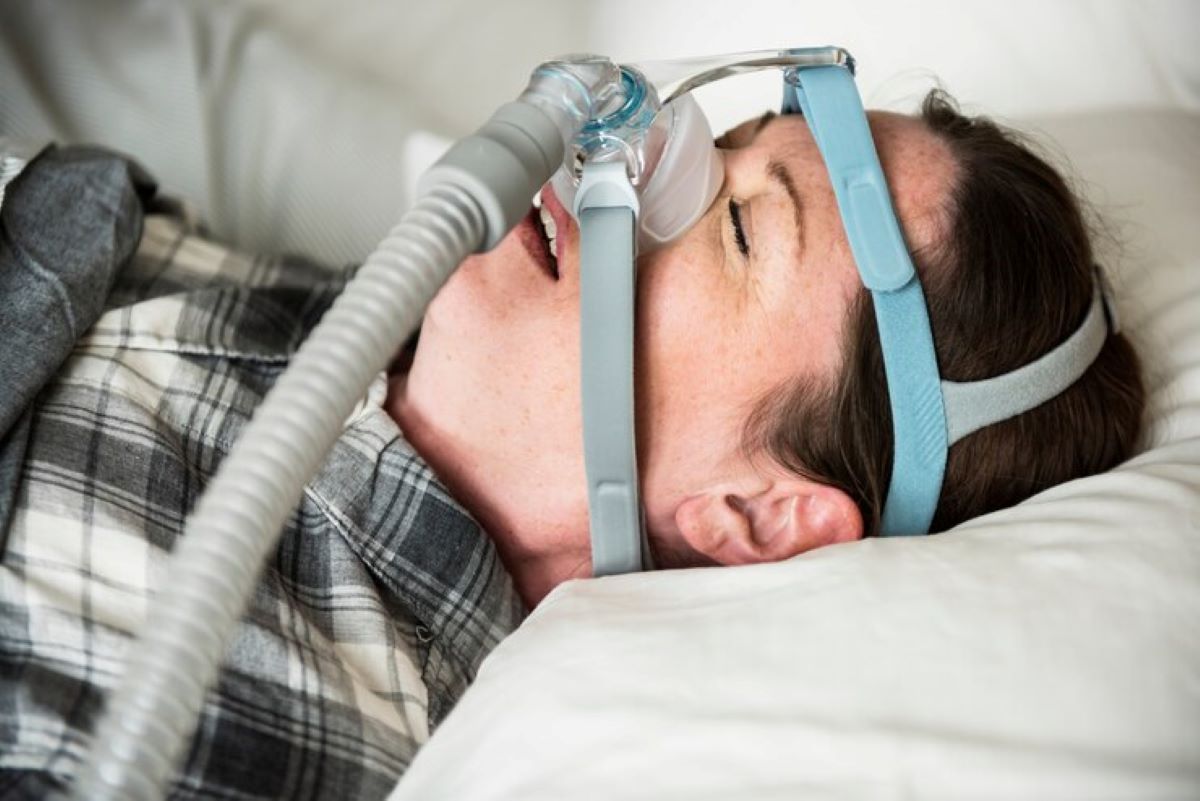
Buying a CPAP mask in 2026 looks simple until someone realises fit, comfort, and local supply rules can make or break therapy. This guide explains what has changed in CPAP Masks Australia, what buyers should check, and how to choose confidently from an Australian perspective.
What has changed in CPAP masks in Australia recently?
The biggest changes are wider mask styles, quieter venting, and more “small-fit” options designed to reduce leaks. Australian buyers are also seeing more starter bundles, better return policies from local suppliers, and clearer compatibility advice for popular machines like ResMed and Philips.
For CPAP Masks Australia, the shift is towards comfort-first designs that encourage long-term use rather than short-term “good enough” fittings.
Why does the right mask matter more than the CPAP machine?
The mask controls seal quality, comfort, and whether a person keeps the therapy on all night. Even a premium CPAP can feel ineffective if the mask leaks, causes pressure points, or triggers dry mouth.
In CPAP Masks Australia, clinicians and retailers increasingly focus on mask choice early because mask problems are a common reason people stop treatment.
Which CPAP mask types are most common in Australia?
Most buyers choose between nasal pillows, nasal masks, and full-face masks. Nasal pillows are minimal and suit many side sleepers. Nasal masks offer stable sealing for moderate pressures. Full-face masks help when mouth breathing occurs or congestion is frequent.
Across CPAP Masks Australia, there is also growing interest in hybrid designs that sit under the nose while covering the mouth.
How should buyers choose between nasal pillows, nasal, and full-face masks?
They should match the mask style to breathing habits, sleep position, and pressure settings. Nasal options suit those who breathe comfortably through the nose and want lighter contact. Full-face masks suit those who regularly breathe through the mouth or have recurring nasal blockage.
For CPAP Masks Australia, many suppliers recommend starting with a nasal option where possible, then moving to full-face if symptoms or leaks persist.
What fit features are now more important than brand?
Fit features like cushion shape, frame flexibility, and headgear adjustment matter more than the logo on the box. A mask that accommodates facial hair, a narrow nasal bridge, or sensitive skin can outperform a “top” model that simply does not suit the face.
Shoppers in CPAP Masks Australia benefit from comparing sizing guides, cushion variants, and whether the mask offers multiple cushion sizes in one pack.
How have comfort and noise levels improved?
Newer masks tend to distribute pressure more evenly and use softer silicone blends or memory-style cushions. Venting has also improved, with diffusers designed to reduce drafts and noise that disturb bed partners.
In CPAP Masks Australia, quieter venting is one of the most noticeable upgrades for couples and for people who sleep lightly.
Are magnetic clips and quick-release parts safe for everyone?
They are convenient, but not for everyone. People with certain implanted medical devices may be advised to avoid magnets or keep them at a safe distance, depending on clinical guidance. Quick-release elbows and clips are generally helpful for night-time bathroom trips and for cleaning.
Australian buyers should check the mask’s safety notes and ask their sleep clinician if there is any concern, especially when comparing options in CPAP Masks Australia.
What should buyers know about online buying versus in-store fitting in Australia?
Online buying is usually cheaper and offers a range, but in-store fitting can reduce costly trial and error. Many Australian retailers now provide telehealth-style support, mask fitting appointments, and exchange programmes that make online buying less risky.
For CPAP Masks Australia, buyers should look for clear return windows, hygiene seal rules, and whether a “fit guarantee” applies to opened masks.
How do Australian rules and consumer policies affect returns?
Returns often depend on whether packaging is opened and whether the mask is considered a hygiene product under the seller’s policy. Some suppliers offer exchanges within a set period if the mask is cleaned and returned with all parts, while others only allow returns on unopened items.
Anyone shopping for CPAP Masks Australia should read the policy before buying, then keep receipts, packaging, and order confirmations until they are sure the mask works.
What sizing and leak issues catch Australian buyers out most often?
Common issues include choosing the wrong cushion size, overtightening headgear, and ignoring pillow height or sleep posture. Leaks are frequently caused by a cushion that is too large, straps that distort the seal, or mouth leak when using a nasal interface.
In CPAP Masks Australia, many buyers solve leaks faster by adjusting fit while lying down at therapy pressure, not while sitting upright.
How should they choose a mask for side sleeping in the Australian climate?
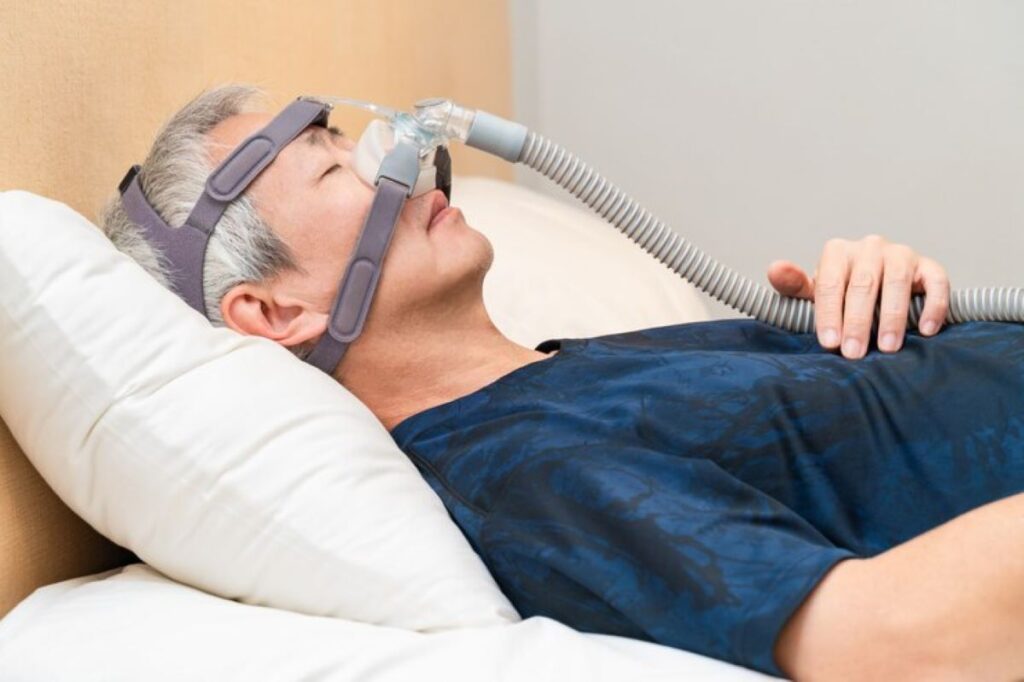
Side sleepers often do best with low-profile frames and flexible tubing connections that do not push the cushion off-centre. Heat and humidity can increase sweating under the seal, so breathable headgear and gentle strap tension can help.
For CPAP Masks Australia, a common practical tip is to pair a suitable mask with a CPAP pillow or a cut-out pillow design to reduce side pressure.
What has changed with heated humidifiers, hoses, and dryness problems?
Modern humidifiers and heated hoses reduce dryness, rainout, and congestion, but they also highlight mask weaknesses. If humidity is increased, any small leak may become noisier or more noticeable, and mouth leak can worsen dry throat.
Buyers comparing CPAP Masks Australia options should consider whether they need a chin strap, a switch to full-face, or a better-sealing nasal cushion rather than simply turning humidity higher.
How do they pick a CPAP mask if they have a beard, sensitive skin, or allergies?
Beards can reduce seal consistency, so designs with adaptable cushions and minimal contact points can help. Sensitive skin benefits from softer cushions, careful strap tension, and fabric mask liners. Allergy-prone users should prioritise easy-clean materials and consistent replacement schedules.
Within CPAP Masks Australia, many suppliers stock liners and hypoallergenic accessories, but the simplest improvement is usually better sizing and gentler fit.
What should buyers budget for in Australia beyond the mask itself?
They should budget for replacement cushions, filters, and occasional headgear replacement. Many masks perform well initially but lose seal as cushions soften or oils build up, even with cleaning. Some buyers also add a travel mask, spare cushion, or tube management clip.
In CPAP Masks Australia, ongoing costs are usually lower when they replace cushions on schedule rather than overtighten a worn cushion and create leaks.
How often should CPAP mask parts be replaced in Australian conditions?
Replacement timing depends on use, cleaning habits, and local conditions like heat and dust. Cushions typically wear first, headgear stretches over time, and elbow seals can loosen. If leaks increase, skin marks worsen, or noise rises, it may be time to replace parts.
Australian buyers should follow their clinician’s advice and the manufacturer guidance, especially when buying parts through CPAP Masks Australia retailers.
What cleaning routine is recommended for buyers in Australia?
A simple routine works best: daily wipe-down of the cushion, weekly warm soapy wash of mask parts, and thorough air drying out of direct sunlight. Harsh chemicals, essential oils, and very hot water can damage silicone and shorten lifespan.
For CPAP Masks Australia, buyers should also avoid “ozone” or unapproved cleaning devices unless their clinician and the manufacturer explicitly support them.
How can they check compatibility with popular machines used in Australia?
Most masks use standard CPAP tubing connections, but there can be differences in elbows, quick-release parts, and how certain masks manage exhalation flow. Buyers should confirm whether the mask suits CPAP, APAP, or bilevel therapy and whether any special settings are recommended.
When choosing through CPAP Masks Australia suppliers, compatibility is usually straightforward, but checking the product notes and asking support can prevent mistakes. Check out more about Management of obstructive sleep apnoea in primary care.
Which buyer mistakes are most common, and how can they avoid them?
The most common mistakes are choosing a style based only on appearance, buying the wrong size without measuring, and assuming tight straps fix leaks. Another common problem is switching masks too quickly without adjusting humidity, sleeping position, or pillow height.
In CPAP Masks Australia, they can avoid these issues by using sizing templates, prioritising comfort, and giving a new mask a structured trial period with small adjustments.
What is the simplest step-by-step way to choose the right mask?
They should start by identifying breathing habits, then choose a style, then size it properly, then confirm return options, and finally do a leak check at real pressure while lying down. If they mouth-breathe, they should trial a full-face or use strategies to reduce mouth leak. If they side-sleep, they should favour low-profile designs.
This approach saves time and money when navigating CPAP Masks Australia choices, especially for first-time buyers.
What should buyers do next if they are still unsure?
They should speak with an Australian sleep clinician or a reputable local CPAP supplier and ask for guidance based on pressure settings, leak reports, and comfort issues. Sharing data from the CPAP machine or app often reveals whether the problem is mask fit, mouth leak, or pressure changes.
Done well, CPAP Masks Australia shopping becomes less about guessing and more about matching the right interface to the person’s face, sleep style, and therapy needs.
Related : Buy CPAP Mask Australia: Affordable Options for Every Budget
FAQs (Frequently Asked Questions)
What recent changes have been made to CPAP masks in Australia?
Recent changes in CPAP masks Australia include wider mask styles, quieter venting systems, and more ‘small-fit’ options designed to reduce leaks. Buyers now also benefit from more starter bundles, improved return policies from local suppliers, and clearer compatibility advice for popular machines like ResMed and Philips. The focus has shifted towards comfort-first designs that support long-term therapy adherence.
Why is choosing the right CPAP mask more important than the machine itself?
The CPAP mask controls seal quality and comfort, which directly affects whether a person maintains therapy throughout the night. Even a premium CPAP machine can feel ineffective if the mask leaks, causes pressure points, or triggers dry mouth. In Australia, clinicians and retailers emphasise early mask choice because mask-related issues are a common reason for treatment discontinuation.
Which types of CPAP masks are most commonly used in Australia?
In Australia, the most common CPAP mask types are nasal pillows, nasal masks, and full-face masks. Nasal pillows are minimalistic and suit many side sleepers; nasal masks provide stable sealing for moderate pressures; full-face masks are ideal for those who mouth breathe or experience frequent congestion. There is also growing interest in hybrid designs that cover the mouth while sitting under the nose.
How should buyers select between nasal pillows, nasal masks, and full-face masks?
Buyers should match mask style to their breathing habits, sleep position, and pressure settings. Nasal options suit those who breathe comfortably through the nose and prefer lighter contact. Full-face masks are recommended for regular mouth breathers or those with recurring nasal blockage. Australian suppliers often advise starting with a nasal option and switching to full-face if symptoms or leaks persist.
What fit features matter most when choosing a CPAP mask in Australia?
Fit features such as cushion shape, frame flexibility, and headgear adjustment are more critical than brand names. Masks accommodating facial hair, narrow nasal bridges, or sensitive skin can outperform top-brand models that don’t fit well. Australian shoppers benefit from comparing sizing guides, cushion variants, and availability of multiple cushion sizes within one pack.
How have comfort and noise levels improved in modern CPAP masks available in Australia?
Modern CPAP masks distribute pressure more evenly using softer silicone blends or memory-style cushions to enhance comfort. Venting systems have improved with diffusers designed to reduce drafts and noise that may disturb bed partners. Quieter venting is one of the most noticeable upgrades appreciated by couples and light sleepers in Australia.