sleep apnea treatment
CPAP Masks Australia a Complete Guide for Buyers: What Has Changed
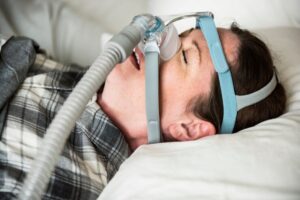
Buying a CPAP mask in 2026 looks simple until someone realises fit, comfort, and local supply rules can make or break therapy. This guide explains what has changed in CPAP Masks Australia, what buyers should check, and how to choose confidently from an Australian perspective. What has changed in CPAP masks in Australia recently? The biggest changes are wider mask styles, quieter venting, and more “small-fit” options designed to reduce leaks. Australian buyers are also seeing more starter bundles, better return policies from local suppliers, and clearer compatibility advice for popular machines like ResMed and Philips. For CPAP Masks Australia, the shift is towards comfort-first designs that encourage long-term use rather than short-term “good enough” fittings. Why does the right mask matter more than the CPAP machine? The mask controls seal quality, comfort, and whether a person keeps the therapy on all night. Even a premium CPAP can feel ineffective if the mask leaks, causes pressure points, or triggers dry mouth. In CPAP Masks Australia, clinicians and retailers increasingly focus on mask choice early because mask problems are a common reason people stop treatment. Which CPAP mask types are most common in Australia? Most buyers choose between nasal pillows, nasal masks, and full-face masks. Nasal pillows are minimal and suit many side sleepers. Nasal masks offer stable sealing for moderate pressures. Full-face masks help when mouth breathing occurs or congestion is frequent. Across CPAP Masks Australia, there is also growing interest in hybrid designs that sit under the nose while covering the mouth. How should buyers choose between nasal pillows, nasal, and full-face masks? They should match the mask style to breathing habits, sleep position, and pressure settings. Nasal options suit those who breathe comfortably through the nose and want lighter contact. Full-face masks suit those who regularly breathe through the mouth or have recurring nasal blockage. For CPAP Masks Australia, many suppliers recommend starting with a nasal option where possible, then moving to full-face if symptoms or leaks persist. What fit features are now more important than brand? Fit features like cushion shape, frame flexibility, and headgear adjustment matter more than the logo on the box. A mask that accommodates facial hair, a narrow nasal bridge, or sensitive skin can outperform a “top” model that simply does not suit the face. Shoppers in CPAP Masks Australia benefit from comparing sizing guides, cushion variants, and whether the mask offers multiple cushion sizes in one pack. How have comfort and noise levels improved? Newer masks tend to distribute pressure more evenly and use softer silicone blends or memory-style cushions. Venting has also improved, with diffusers designed to reduce drafts and noise that disturb bed partners. In CPAP Masks Australia, quieter venting is one of the most noticeable upgrades for couples and for people who sleep lightly. Are magnetic clips and quick-release parts safe for everyone? They are convenient, but not for everyone. People with certain implanted medical devices may be advised to avoid magnets or keep them at a safe distance, depending on clinical guidance. Quick-release elbows and clips are generally helpful for night-time bathroom trips and for cleaning. Australian buyers should check the mask’s safety notes and ask their sleep clinician if there is any concern, especially when comparing options in CPAP Masks Australia. What should buyers know about online buying versus in-store fitting in Australia? Online buying is usually cheaper and offers a range, but in-store fitting can reduce costly trial and error. Many Australian retailers now provide telehealth-style support, mask fitting appointments, and exchange programmes that make online buying less risky. For CPAP Masks Australia, buyers should look for clear return windows, hygiene seal rules, and whether a “fit guarantee” applies to opened masks. How do Australian rules and consumer policies affect returns? Returns often depend on whether packaging is opened and whether the mask is considered a hygiene product under the seller’s policy. Some suppliers offer exchanges within a set period if the mask is cleaned and returned with all parts, while others only allow returns on unopened items. Anyone shopping for CPAP Masks Australia should read the policy before buying, then keep receipts, packaging, and order confirmations until they are sure the mask works. What sizing and leak issues catch Australian buyers out most often? Common issues include choosing the wrong cushion size, overtightening headgear, and ignoring pillow height or sleep posture. Leaks are frequently caused by a cushion that is too large, straps that distort the seal, or mouth leak when using a nasal interface. In CPAP Masks Australia, many buyers solve leaks faster by adjusting fit while lying down at therapy pressure, not while sitting upright. How should they choose a mask for side sleeping in the Australian climate? Side sleepers often do best with low-profile frames and flexible tubing connections that do not push the cushion off-centre. Heat and humidity can increase sweating under the seal, so breathable headgear and gentle strap tension can help. For CPAP Masks Australia, a common practical tip is to pair a suitable mask with a CPAP pillow or a cut-out pillow design to reduce side pressure. What has changed with heated humidifiers, hoses, and dryness problems? Modern humidifiers and heated hoses reduce dryness, rainout, and congestion, but they also highlight mask weaknesses. If humidity is increased, any small leak may become noisier or more noticeable, and mouth leak can worsen dry throat. Buyers comparing CPAP Masks Australia options should consider whether they need a chin strap, a switch to full-face, or a better-sealing nasal cushion rather than simply turning humidity higher. How do they pick a CPAP mask if they have a beard, sensitive skin, or allergies? Beards can reduce seal consistency, so designs with adaptable cushions and minimal contact points can help. Sensitive skin benefits from softer cushions, careful strap tension, and fabric mask liners. Allergy-prone users should prioritise easy-clean materials and consistent replacement schedules. Within CPAP Masks Australia, many suppliers stock liners and hypoallergenic accessories, but the simplest improvement is usually better sizing and
Read More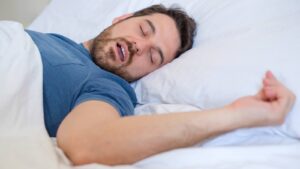
6 Essential Benefits of Treating Sleep Apnea at the Early Stage
Based on research, about 37 percent of adults around the globe are suffering from severe obstructive sleep apnea. Often, we see several cases of people who can’t sleep for up to 6 – 8 hours at a stretch without waking up at intervals to complain about breathing. Sleep apnea is among the most common health conditions causing restless sleep, loud snoring, daytime sleepiness, coughing while sleeping, sleep waking, obesity, daytime fatigue, and memory loss among adults. Yet, amazingly, it’s, perhaps, the most underrated. Most people with sleep apnea usually ignore the symptoms of sleep apnea or relate them to other health conditions without attempting any treatment options until the situation gets to a severe level. Amazing fact! When sleep apnea happens, it causes the throat muscles to relax, resulting in a blockage in the airway. At this level, mild sleep apnea patients may begin to experience some mild sleep apnea symptoms that can cause them to stop breathing at intervals when sleeping and make it difficult to fall asleep. Sleep disorders are usually mild at the initial stage. However, untreated sleep apnea may come with severe risk factors putting your daily routines to a halt.. step of treatment. That contributes to the widespread severe obstructive sleep apnea syndrome among older adults. What Is Sleep Apnea? Sleep apnea occurs in people when the throat muscles relax, causing a blockage in the air passage that sends air in and out of the nose. Sleep apnea happens in various types, as many risk factors can result in difficulty breathing when sleeping. The two major sleep apnea types are central and obstructive sleep apnea. Central sleep apnea happens when some parts of the brain don’t function properly and thereby stop breathing when sleeping. Central sleep apnea happens more in children, while obstructive sleep apnea is found to be more in older adults. However, both main types come with similar symptoms, such as loud snoring, mouth breathing when sleeping, nightmare, and more. Why you should treat sleep apnea at the mild stage Sleep apnea is not always a complicated health condition until the patient leaves it untreated, and the situation goes from bad to worse. Amazingly, countless people are struggling with the symptoms of sleep apnea without even attempting to go for treatment. Thus, it goes from snoring and coughing while sleeping to struggling with life. Yes, severe obstructive sleep apnea can stop one from breathing, making one’s night miserable. When you begin to notice difficulties in your sleep, the best thing is to visit a sleep laboratory for a detailed sleep study or invite a sleep specialist for home sleep apnea testing. Undiagnosed sleep apnea may damage your health. It may result in high blood pressure, stroke, diabetes, and heart attack. From a medical point of view, it is better to go for sleep apnea treatment when the situation is still mild. Late treatment comes with dangers that may affect the patient’s life immensely. Like every other health condition, severe obstructive sleep apnea (OSA) can become life-chocking as it stays untreated. However, you will save yourself from high risks if you seek medical help early. Here are ways to improve your health by addressing sleep apnea symptoms promptly. 6 Benefits of Treating Sleep Apnea Symptoms at the Early Stage 1. Better sleep refreshment One of the difficulties of severe obstructive sleep apnea is that it completely removes your sleep. When the airway is blocked during sleep, it becomes hard to sleep for 8 hours at a stretch. In fact, some sleep apnea patients depend on sleeping pills to have a normal sleep at night. People with sleep apnea would have to stop breathing at intervals, wake up and resume sleeping. As the body keeps waking up and returning to sleep, it prevents you from having a long, deep, enjoyable sleep all through the night. The inability to sleep properly at night will cause daytime sleepiness affecting your daily activities. For example, you may get angry at the slightest mistake, become moody throughout the day, or become dull and weak. Those who had a good night’s rest feel better and have adequate energy to engage in daytime activities Mild sleep apnea patients use continuous positive airway pressure (CPAP) therapy or other treatments like an oral appliance, bilevel positive airway pressure therapy, and more. 2. Lower risk of developing stroke or heart attack Experts in the medical world have given a fantastic revelation that most people struggling with severe symptoms of sleep apnea are commonly diagnosed with the incidence of hypertension. Those who can get a good night’s rest are less likely to be in danger of hypertension. Precisely, the report claimed that the incidence of stroke and heart problems is five times greater in people with severe obstructive sleep apnea. Early response treatment is an excellent way to prevent sleep apnea. You can treat sleep apnea with a mere change in your sleeping positions or entire lifestyle to free your narrowed airway and improve air pressure. 3. Reduced risk of depression People with severe sleep apnea can experience severe depression. As a matter of fact, experts proved that adults might experience an increased risk of depression as moderate sleep apnea symptoms become more severe. Although, even mild sleep apnea can expose the patient to depression. But, the effect of depression increases when sleep apnea increases. 4. Lower risk of death We are all mortals, suggesting that many things could lead to death when the situation gets severe. Unfortunately, sleep apnea is an underrated health condition that may result in untimely death. By implication, on-time sleep apnea treatment can save you from unexpected death and put you in the appropriate healthy state. Meanwhile, it is easy to ignore sleep apnea symptoms when they are still mild. But, unfortunately, doing that can increase the risk of dying by three times. 5. Reduced risk of diabetes Sleep apnea is a health condition that can increase your risk of developing diabetes when left untreated for a long time.
Read More