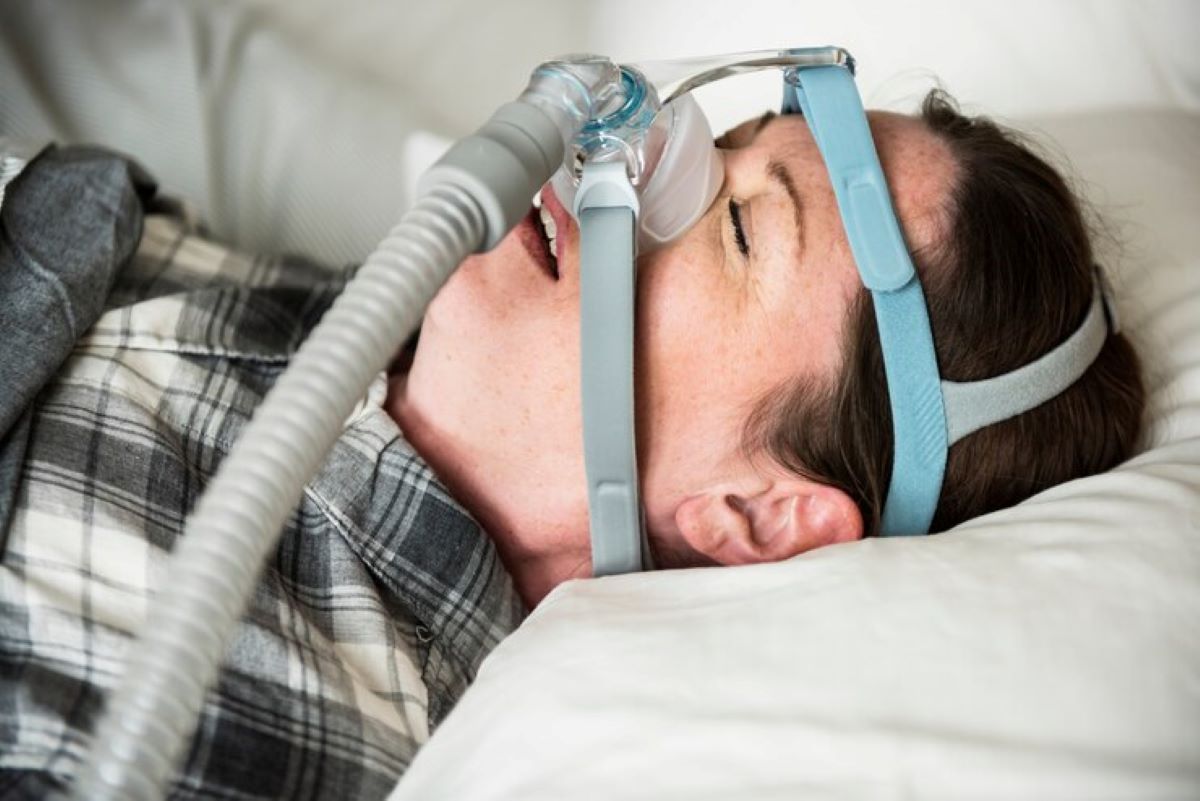
Best CPAP Mask Guide 2026: Types, Fitting & Australian Tips

cpap masks australia

Finding the right CPAP mask is often the single most important factor in determining whether sleep apnea therapy succeeds or fails. For many Australians, the initial transition to Continuous Positive Airway Pressure (CPAP) can feel overwhelming. However, modern engineering has transformed these devices from bulky medical gear into streamlined, comfortable, and whisper-quiet interfaces.

Whether you are a restless sleeper, a mouth breather, or someone who feels claustrophobic, there is a specific mask design tailored to your facial anatomy and breathing habits. This guide provides an in-depth look at selecting the perfect interface to ensure high compliance and restorative sleep.


What is a CPAP Mask and Why Does Choice Matter?

A CPAP mask is the physical interface between your sleep apnea machine and your airway. It delivers a pressurized stream of filtered air that acts as a “splint,” keeping your upper airway open and preventing the collapses associated with Obstructive Sleep Apnea (OSA).

In the Australian market, the variety of masks available has expanded significantly. Choosing the wrong style doesn’t just cause discomfort; it leads to air leaks, skin irritation, and “therapy non-compliance,” where the patient eventually stops using the machine altogether. A well-fitted mask ensures the pressure delivered matches the pressure prescribed by your sleep specialist.


The Three Primary Types of CPAP Masks

To achieve “topical authority” in your sleep health journey, you must understand the three core categories of masks. Each serves a specific physiological need.

1. Full Face Masks

These masks cover both the nose and the mouth. They are the gold standard for patients who breathe through their mouths or those who have frequent nasal congestion.

  • Best for: High-pressure settings, mouth breathers, and those with deviated septums.
  • Pros: Stable seal; effective regardless of how you breathe.
  • Cons: Bulkier profile; can interfere with wearing glasses.

2. Nasal Masks

A nasal mask fits over the nose only, ranging from the bridge to the upper lip. It offers a more natural feeling than a full-face version.

  • Best for: Side sleepers and those who want a clear field of vision.
  • Pros: Smaller footprint; handles higher pressure better than pillows.
  • Cons: Not suitable if you breathe through your mouth (unless using a chin strap).

3. Nasal Pillow Masks

These are the most minimalist options. They use small silicone inserts that rest at the entrance of the nostrils.

  • Best for: Active sleepers and people with facial hair.
  • Pros: Minimal skin contact; ideal for reading or watching TV before bed.
  • Cons: Can cause nasal dryness at very high pressure settings.

How to Choose the Right Interface: A Step-by-Step Framework

Selecting a CPAP mask in Australia requires a logical approach based on your sleeping style and anatomy.

Step 1: Identify Your Breathing Pattern

Do you wake up with a dry mouth? If so, you are likely a mouth breather. A full-face mask is usually necessary here to prevent the pressurized air from escaping through your mouth, which renders the therapy ineffective.

Step 2: Consider Your Sleeping Position

  • Back Sleepers: Can usually wear any mask type.
  • Side Sleepers: Benefit from nasal pillows or low-profile nasal masks that won’t be dislodged by the pillow.
  • Stomach Sleepers: Require ultra-minimalist designs, typically nasal pillows with “top-of-head” tube connections.

Step 3: Facial Features and Obstructions

If you have a beard, a nasal pillow mask often provides a better seal than a mask that must sit flush against the skin of the chin or cheeks. Similarly, if you wear glasses, look for “under-the-nose” designs that eliminate the forehead support bar.


Benefits of a High-Quality Mask Fit

BenefitImpact on Therapy
Reduced Air LeaksEnsures the machine maintains the correct therapeutic pressure.
Skin IntegrityPrevents “mask burn,” sores, and pressure marks on the bridge of the nose.
Quiet OperationModern masks feature diffused venting to keep the air stream quiet for your partner.
Higher ComplianceYou are more likely to wear the mask all night if it feels “barely there.”

Best Practices for CPAP Mask Maintenance
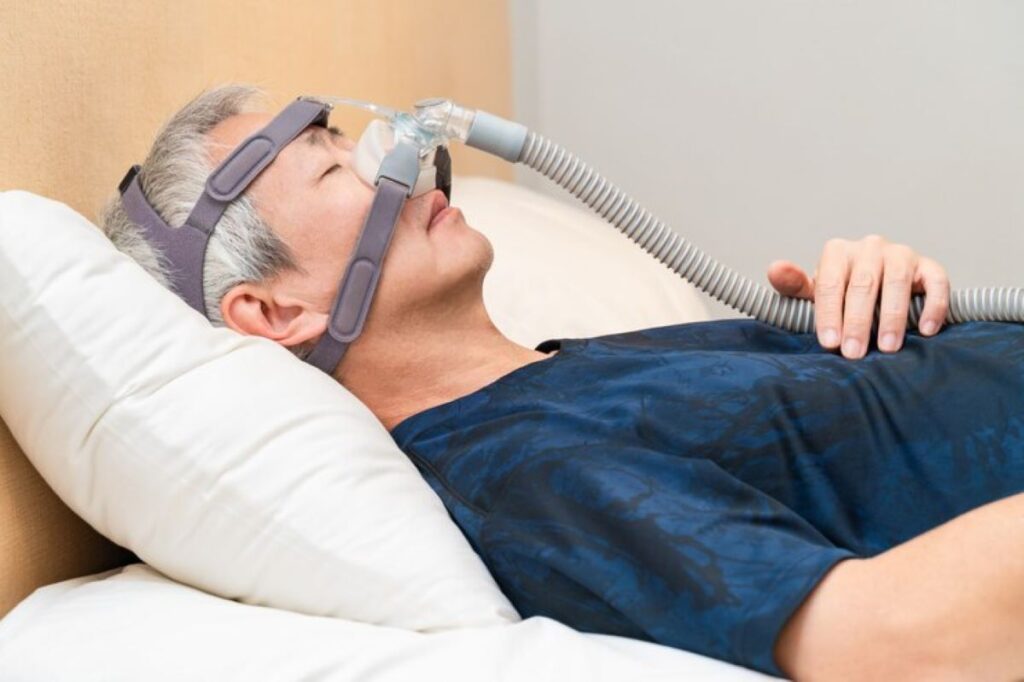
cpap mask

To maintain a hygienic seal and prolong the life of your equipment, follow these industry-standard practices:

  1. Daily Cleaning: Wipe the cushion with a damp cloth or specialized mask wipe to remove skin oils.
  2. Weekly Soak: Submerge the mask (excluding headgear) in warm, soapy water (using mild, fragrance-free detergent).
  3. Replacement Schedule: Cushions should typically be replaced every 3–6 months as the silicone softens and loses its sealing ability.
  4. Avoid Chemicals: Never use bleach, alcohol, or scented oils on your mask, as these can degrade the material and irritate your lungs.

Common Mistakes and How to Avoid Them

Overtightening the Straps

Many users believe that if a mask is leaking, they should pull the straps tighter. This often creates more leaks because the silicone cushion needs air to “inflate” and create a seal. If you have to overtighten, the mask is likely the wrong size or style.

Ignoring Small Leaks

A small hiss of air into the eyes can cause chronic dryness and irritation. If you feel air escaping near the bridge of your nose, readjust the headgear or consider a mask with a different cushion shape.

Using the Wrong Size

Australia’s leading CPAP providers offer sizing gauges. A mask that is too large will shift during the night, while one that is too small will pinch the nostrils or cause sores.


Advanced Tips for Australian Users

In the Australian climate, humidity plays a massive role in mask comfort. During humid Queensland summers or dry Victorian winters, your mask’s performance might change.

  • Use a Heated Tube: This prevents “rainout” (condensation) inside the mask.
  • Check the Seal in the Morning: Your face shape changes slightly when you lie down for hours. Check your machine’s “Mask Fit” data every few days to ensure your leak rate remains low.

Internal Linking Suggestions

  • Anchor Text: “benefits of CPAP therapy”
  • Anchor Text: “cleaning your CPAP equipment”
  • Anchor Text: “traveling with a CPAP machine”
  • Anchor Text: “understanding sleep apnea symptoms”

Recommended External References

  • Sleep Health Foundation (Australia): For peer-reviewed fact sheets on OSA.
  • Medicare Australia: For information regarding CPAP equipment subsidies and rebates.

Frequently Asked Questions (FAQ)

How often should I replace my CPAP mask?

In Australia, it is generally recommended to replace the entire mask every 6 to 12 months, though the silicone cushions may need replacing every 3 months to maintain an airtight seal.

Can I use a nasal mask if I have a cold?

It is difficult to use a nasal or pillow mask with a blocked nose. Many users keep a backup full-face mask for use during allergy seasons or when they have a cold.

Why does my mask whistle at night?

Whistling is usually a sign of a small leak or a blocked exhalation port. Clean the tiny vent holes with a soft brush and ensure the cushion is properly seated on the mask frame.

Are all CPAP masks compatible with all machines?

Yes, almost all masks use a standard 22mm connector, meaning you can use a ResMed mask with a Fisher & Paykel machine, and vice-versa. The only exceptions are specific “travel” machines that require proprietary connectors.

How do I stop the mask from leaving marks on my face?

Ensure you aren’t overtightening. You can also use soft fleece strap covers or mask liners to create a barrier between the silicone and your skin.


Conclusion

Finding the right cpap mask is a journey of trial and adjustment. By understanding your breathing style—whether you are a mouth breather or a side sleeper—and prioritizing a mask that fits your unique facial structure, you can transform your sleep apnea treatment from a chore into a life-changing habit.

High-quality sleep is the foundation of health, and the right interface is the key to unlocking it. If you are struggling with your current setup, don’t give up on therapy; instead, consult with a sleep professional to trial a different mask style.
cpap masks australia
CPAP Masks

How CPAP Machines Improve Sleep Quality and Prevent Sleep Apnea Complications

Sleep is essential for overall health, yet millions of adults struggle with sleep apnea—a common sleep disorder that disrupts breathing during rest. Continuous Positive Airway Pressure (CPAP) machines have become the gold standard for managing sleep apnea. Not only do they improve sleep quality, but they also prevent serious complications that can affect your heart, energy levels, and long-term health. In this article, we explore how CPAP therapy works, its benefits, and practical tips to maximize its effectiveness. Understanding Sleep Apnea Sleep apnea is a condition where the airway becomes partially or completely blocked during sleep, causing breathing interruptions. These pauses, known as apneas, reduce oxygen flow to the body and strain vital organs, including the heart. Common Symptoms of Sleep Apnea: Untreated sleep apnea is linked to high blood pressure, cardiovascular disease, diabetes, and an increased risk of accidents due to daytime drowsiness. This is why early detection through a sleep study and treatment is critical. How CPAP Machines Work A CPAP machine delivers a steady stream of pressurized air through a mask, keeping the airway open throughout the night. This simple mechanism prevents apneas, allowing for continuous oxygen flow and uninterrupted sleep cycles. Real-World Example: John, a 52-year-old man with moderate sleep apnea, used to wake up multiple times at night gasping for air. After starting CPAP therapy, his nighttime awakenings stopped, he felt more energetic during the day, and his blood pressure improved. Benefits of CPAP Therapy 1. Improves Sleep Quality By maintaining an open airway, CPAP machines allow you to reach deep, restorative sleep stages. Patients often report: 2. Reduces Risk of Cardiovascular Complications Sleep apnea increases strain on the heart due to repeated oxygen drops. CPAP therapy: 3. Enhances Overall Sleep Health Consistent CPAP use improves sleep health and contributes to better mood, energy, and long-term wellness. Getting Started with CPAP Therapy Starting CPAP therapy can feel challenging, but with the right approach, it becomes part of a healthy sleep routine. Tips for New Users: Lifestyle Changes That Complement CPAP Therapy While CPAP is highly effective, certain lifestyle changes can further improve sleep apnea symptoms: Combining CPAP therapy with these adjustments ensures maximum improvement in sleep quality and overall health. The Role of Sleep Studies A sleep study is essential to diagnose sleep apnea and determine the right CPAP settings. During the study, specialists monitor oxygen levels, heart rate, breathing patterns, and sleep cycles. Results guide personalized therapy, ensuring effective treatment. Conclusion CPAP machines are more than just a sleep aid—they are a critical tool in preventing the serious complications of sleep apnea. By improving oxygen flow, restoring uninterrupted sleep, and reducing strain on the heart, CPAP therapy enhances both sleep quality and overall health. Coupled with lifestyle changes and regular medical guidance, CPAP ensures long-term protection against the dangers of untreated sleep apnea. If you suspect you have sleep apnea or struggle with poor sleep, consult a sleep specialist. Early intervention through a sleep study and CPAP therapy can make a lasting difference in your health and quality of life. FAQS

Read More
cpap masks australia
CPAP Masks

Buy CPAP Mask Australia Affordable Options for Every Budget, Revisited

Finding a comfortable mask at a fair price can be the difference between sticking with therapy and giving up. This guide revisits how Australians can buy CPAP mask Australia wide without overpaying, while still prioritising fit, comfort, and reliable local support. Why does the right CPAP mask matter more than the lowest price? The right mask matters because leaks, discomfort, and pressure marks can reduce therapy effectiveness and disturb sleep. A cheaper option that does not fit well often costs more in the long run through replacements, add-ons, and poor compliance. For many people, the goal is value: a mask that seals well, feels comfortable, and lasts, backed by Australian consumer protections and easy returns. What are the main CPAP mask types and which are usually most affordable? The three common types are nasal masks, nasal pillows, and full face masks. Nasal pillows are often priced competitively and use less material, while full face masks can cost more due to larger cushions and frame parts. However, affordability depends on ongoing costs too. Some designs have cheaper replacement cushions, which can make a higher upfront purchase better value over a year. How can Australians buy CPAP masks on a tight budget without risking poor fit? They can start by confirming their preferred mask category, checking sizing guides, and prioritising models known for stable seals. This reduces the risk of buying a bargain mask that sits poorly and ends up unused. When they buy CPAP mask Australia online, they should choose retailers that clearly publish returns processes, warranty details, and local contact options for support. Where can they buy CPAP masks in Australia for the best mix of price and support? They can buy through Australian CPAP retailers online, many of which run regular promotions and bundle deals. Local suppliers often provide faster shipping, easier exchanges, and product guidance tailored to Australian users. Some people also choose to purchase in store through sleep clinics or CPAP showrooms, especially if they want hands-on fitting. This may cost more upfront, but it can prevent expensive trial and error. When is it smarter to buy online versus in store in Australia? Online is usually smarter when they already know their exact mask model and size, or when they are replacing a like-for-like mask. It is also useful for comparing prices quickly and accessing clearance stock. In store is often smarter for first-time buyers, people switching mask types, or anyone struggling with leaks. For those wanting to buy CPAP mask Australia wide with confidence, a fitting appointment can be a cost saver. What should they look for in “affordable” masks beyond the ticket price? They should check the price and availability of replacement cushions, headgear, and clips. A mask that needs frequent cushion replacement, or has pricey parts, can become expensive even if the starter kit is discounted. They should also consider comfort features that reduce night-to-night issues, such as softer silicone, flexible frames, and diffused venting. Fewer disruptions can mean fewer abandoned purchases. How do sales, bundles, and subscription parts programmes affect the real cost? Sales and bundles can significantly lower the entry price, particularly when a mask is packaged with spare cushions or discounted accessories. This can be ideal for people who already know what works for them. Parts programmes can help spread costs across the year, but they should confirm they are not locked into higher prices. If they plan to buy CPAP mask Australia style through a recurring plan, they should compare total annual spend against buying parts as needed. Are generic or “compatible” cushions a good way to save money in Australia? Sometimes, but they should be careful. Compatible parts may not match the seal quality or durability of genuine components, and warranties may be affected if issues arise. For those trying to reduce costs safely, it is often better to buy last season’s genuine mask model on clearance, then use genuine cushions. This approach keeps quality high while lowering the upfront spend. Other Resources : Respiratory care services in NSW How can they choose between nasal pillows and full face masks for budget and comfort? Nasal pillows can be a budget-friendly choice for people who breathe comfortably through the nose and prefer a minimal feel. They can also suit those who move a lot during sleep, as smaller contact areas may reduce pressure marks. Full face masks can be worth the higher cost for mouth breathers or those with frequent nasal congestion. If they buy CPAP mask Australia wide for year-round use, a full face option can prevent therapy interruptions during colds and allergy seasons. What sizing and fitting steps prevent wasted purchases? They should use the manufacturer sizing template where available and measure carefully before ordering. Small sizing errors are a common reason people experience leaks and discomfort, especially with nasal cushions. They should also review how the mask should sit at therapy pressure, not just when worn loosely. A good retailer will explain fit checks and help troubleshoot before they decide to replace the mask. Which comfort add-ons are worth paying for on a budget? Mask liners can be cost-effective for reducing irritation and minor leaks, especially for sensitive skin. Soft wraps for headgear can also improve comfort without changing the mask. Heated tubing and humidifiers are more about comfort than mask choice, but they can reduce dryness that makes masks feel harder to tolerate. If they buy CPAP mask Australia wide to improve compliance, comfort add-ons can be a better spend than repeatedly changing masks. How can they keep costs down with proper cleaning and replacement timing? They can wash cushions gently with mild soap and allow them to air dry away from direct sunlight. This helps maintain the silicone seal and reduces early wear. Replacement timing varies by use and care, but they should watch for persistent leaks, yellowing silicone, or loss of softness. When they buy CPAP mask Australia wide, they should also check whether replacement cushions are in stock locally to avoid expensive

Read More
sleep testing
CPAP Machines CPAP Masks Sleep Apnea Sleep Study Sleep Test Australia Sleep Testing

Comprehensive Guide to Sleep Testing: What to Expect and How to Prepare

Sleep testing is an important diagnostic tool used to evaluate and diagnose sleep disorders. If you have been referred for a sleep test, understanding what to expect and how to prepare can help ease any anxiety and ensure a smooth experience. In this comprehensive guide, we will walk you through the various aspects of sleep testing, from its importance to the different types of sleep tests available. We will also delve into the preparation process, what to expect during the sleep test itself, and how to interpret your sleep test results. So let’s dive in and explore the world of sleep testing! Understanding Sleep Testing The Importance of Sleep Testing Sleep is an essential part of our lives, contributing to our overall well-being and functioning. However, many individuals struggle with various sleep disorders that can have a significant impact on their quality of life. Sleep testing plays a crucial role in diagnosing these disorders and guiding appropriate treatment interventions. By undergoing a sleep test, healthcare providers can gather valuable information about your sleep patterns, breathing, and brain activity, helping them identify any abnormalities or underlying sleep disorders. During a sleep test, you may be asked to spend a night at a sleep center or use a portable device at home to monitor your sleep. This non-invasive procedure allows healthcare professionals to observe your sleep in a controlled environment, ensuring accurate and comprehensive data collection. The information gathered from the sleep test is then analyzed by sleep specialists who can provide insights into your sleep quality and identify any potential issues that may be affecting your sleep. Different Types of Sleep Tests There are different types of sleep tests available, depending on the specific sleep-related issue being assessed. Two commonly used sleep tests include polysomnography (PSG) and multiple sleep latency testing (MSLT). PSG involves monitoring various physiological parameters during sleep, such as brain waves, eye movements, heart rate, and muscle activity. This comprehensive test provides a detailed picture of your sleep architecture and can help diagnose conditions like sleep apnea, narcolepsy, and restless legs syndrome. On the other hand, MSLT focuses on evaluating excessive daytime sleepiness. This test measures how quickly you fall asleep during daytime naps and assesses your ability to enter rapid eye movement (REM) sleep. It is particularly useful in diagnosing conditions like narcolepsy, where individuals experience uncontrollable sleep attacks during the day. Who Needs a Sleep Test? Sleep testing may be recommended for individuals who exhibit symptoms of a sleep disorder, such as chronic snoring, excessive daytime sleepiness, insomnia, or pauses in breathing during sleep (sleep apnea). Furthermore, individuals with certain risk factors, such as obesity or a family history of sleep disorders, may also be advised to undergo a sleep test to assess their sleep health. It is important to note that sleep disorders can have far-reaching consequences beyond just feeling tired during the day. Untreated sleep disorders can increase the risk of developing chronic conditions like heart disease, diabetes, and depression. Therefore, if you suspect that you may have a sleep disorder or have been experiencing symptoms that disrupt your sleep, it is crucial to consult with a healthcare professional who can recommend the appropriate sleep test and guide you towards effective treatment options. Preparing for Your Sleep Test Scheduling Your Sleep Test Once your healthcare provider has determined that a sleep test is necessary, the next step is to schedule the test. This involves contacting a sleep center or hospital that specializes in sleep testing and booking an appointment. It is important to follow any specific instructions provided by the sleep center regarding the time of arrival and any preparations you need to make before the test. When scheduling your sleep test, it’s essential to consider factors such as your work schedule and other commitments to ensure you can dedicate the necessary time for the test. Some sleep centers may offer flexible appointment times to accommodate different schedules, so be sure to inquire about options that best suit your needs. What to Bring to Your Sleep Test Before heading to the sleep center, make sure to gather all the essential items you will need during your sleep test. These may include comfortable sleepwear, toiletries, any prescribed medications you regularly take, and your insurance information. It can be helpful to pack a small bag with these items to ensure you have everything you need for a comfortable stay at the sleep center. Consider bringing items that help you relax and unwind before bedtime, such as a favorite book or soothing music. Creating a familiar and calming environment can aid in achieving better sleep quality during the test, leading to more accurate results that can assist in diagnosing any potential sleep disorders. Dietary and Lifestyle Considerations In the days leading up to your sleep test, it is important to make certain dietary and lifestyle considerations. Avoid consuming caffeine or alcohol, as these substances can interfere with your sleep patterns. Additionally, try to maintain your regular sleep schedule and avoid napping on the day of the test. By following these guidelines, you can optimize the accuracy of the sleep test results. Find more about caffeine on https://www.ncbi.nlm.nih.gov/books/NBK519490/ Engaging in light physical activity during the day before your sleep test can help promote better sleep at night. Exercise has been shown to improve sleep quality and can contribute to more restful sleep during the test. However, it is advisable to avoid vigorous exercise close to bedtime, as this may have the opposite effect and disrupt your ability to fall asleep easily. What to Expect During the Sleep Test The Sleep Test Environment When you arrive at the sleep center, you will be welcomed into a calm and comfortable environment designed to promote relaxation. The sleep room will be equipped with a comfortable bed, dim lighting, and temperature control to ensure optimal comfort during your sleep study. The sleep technologist will explain the procedures and address any questions or concerns you may have before the test begins. The

Read More
RSS
Follow by Email