cpap masks
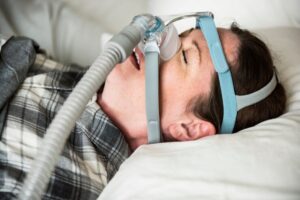
Best CPAP Mask Guide 2026: Types, Fitting & Australian Tips
Finding the right CPAP mask is often the single most important factor in determining whether sleep apnea therapy succeeds or fails. For many Australians, the initial transition to Continuous Positive Airway Pressure (CPAP) can feel overwhelming. However, modern engineering has transformed these devices from bulky medical gear into streamlined, comfortable, and whisper-quiet interfaces. Whether you are a restless sleeper, a mouth breather, or someone who feels claustrophobic, there is a specific mask design tailored to your facial anatomy and breathing habits. This guide provides an in-depth look at selecting the perfect interface to ensure high compliance and restorative sleep. What is a CPAP Mask and Why Does Choice Matter? A CPAP mask is the physical interface between your sleep apnea machine and your airway. It delivers a pressurized stream of filtered air that acts as a “splint,” keeping your upper airway open and preventing the collapses associated with Obstructive Sleep Apnea (OSA). In the Australian market, the variety of masks available has expanded significantly. Choosing the wrong style doesn’t just cause discomfort; it leads to air leaks, skin irritation, and “therapy non-compliance,” where the patient eventually stops using the machine altogether. A well-fitted mask ensures the pressure delivered matches the pressure prescribed by your sleep specialist. The Three Primary Types of CPAP Masks To achieve “topical authority” in your sleep health journey, you must understand the three core categories of masks. Each serves a specific physiological need. 1. Full Face Masks These masks cover both the nose and the mouth. They are the gold standard for patients who breathe through their mouths or those who have frequent nasal congestion. 2. Nasal Masks A nasal mask fits over the nose only, ranging from the bridge to the upper lip. It offers a more natural feeling than a full-face version. 3. Nasal Pillow Masks These are the most minimalist options. They use small silicone inserts that rest at the entrance of the nostrils. How to Choose the Right Interface: A Step-by-Step Framework Selecting a CPAP mask in Australia requires a logical approach based on your sleeping style and anatomy. Step 1: Identify Your Breathing Pattern Do you wake up with a dry mouth? If so, you are likely a mouth breather. A full-face mask is usually necessary here to prevent the pressurized air from escaping through your mouth, which renders the therapy ineffective. Step 2: Consider Your Sleeping Position Step 3: Facial Features and Obstructions If you have a beard, a nasal pillow mask often provides a better seal than a mask that must sit flush against the skin of the chin or cheeks. Similarly, if you wear glasses, look for “under-the-nose” designs that eliminate the forehead support bar. Benefits of a High-Quality Mask Fit Benefit Impact on Therapy Reduced Air Leaks Ensures the machine maintains the correct therapeutic pressure. Skin Integrity Prevents “mask burn,” sores, and pressure marks on the bridge of the nose. Quiet Operation Modern masks feature diffused venting to keep the air stream quiet for your partner. Higher Compliance You are more likely to wear the mask all night if it feels “barely there.” Best Practices for CPAP Mask Maintenance To maintain a hygienic seal and prolong the life of your equipment, follow these industry-standard practices: Common Mistakes and How to Avoid Them Overtightening the Straps Many users believe that if a mask is leaking, they should pull the straps tighter. This often creates more leaks because the silicone cushion needs air to “inflate” and create a seal. If you have to overtighten, the mask is likely the wrong size or style. Ignoring Small Leaks A small hiss of air into the eyes can cause chronic dryness and irritation. If you feel air escaping near the bridge of your nose, readjust the headgear or consider a mask with a different cushion shape. Using the Wrong Size Australia’s leading CPAP providers offer sizing gauges. A mask that is too large will shift during the night, while one that is too small will pinch the nostrils or cause sores. Advanced Tips for Australian Users In the Australian climate, humidity plays a massive role in mask comfort. During humid Queensland summers or dry Victorian winters, your mask’s performance might change. Internal Linking Suggestions Recommended External References Frequently Asked Questions (FAQ) How often should I replace my CPAP mask? In Australia, it is generally recommended to replace the entire mask every 6 to 12 months, though the silicone cushions may need replacing every 3 months to maintain an airtight seal. Can I use a nasal mask if I have a cold? It is difficult to use a nasal or pillow mask with a blocked nose. Many users keep a backup full-face mask for use during allergy seasons or when they have a cold. Why does my mask whistle at night? Whistling is usually a sign of a small leak or a blocked exhalation port. Clean the tiny vent holes with a soft brush and ensure the cushion is properly seated on the mask frame. Are all CPAP masks compatible with all machines? Yes, almost all masks use a standard 22mm connector, meaning you can use a ResMed mask with a Fisher & Paykel machine, and vice-versa. The only exceptions are specific “travel” machines that require proprietary connectors. How do I stop the mask from leaving marks on my face? Ensure you aren’t overtightening. You can also use soft fleece strap covers or mask liners to create a barrier between the silicone and your skin. Conclusion Finding the right cpap mask is a journey of trial and adjustment. By understanding your breathing style—whether you are a mouth breather or a side sleeper—and prioritizing a mask that fits your unique facial structure, you can transform your sleep apnea treatment from a chore into a life-changing habit. High-quality sleep is the foundation of health, and the right interface is the key to unlocking it. If you are struggling with your current setup, don’t give up on therapy; instead, consult with a sleep professional to
Read More