What are CPAP Masks and Why are They Important for Sleep Apnea Treatment?
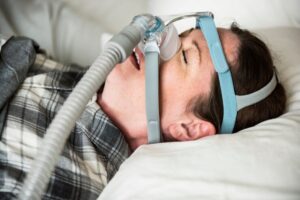
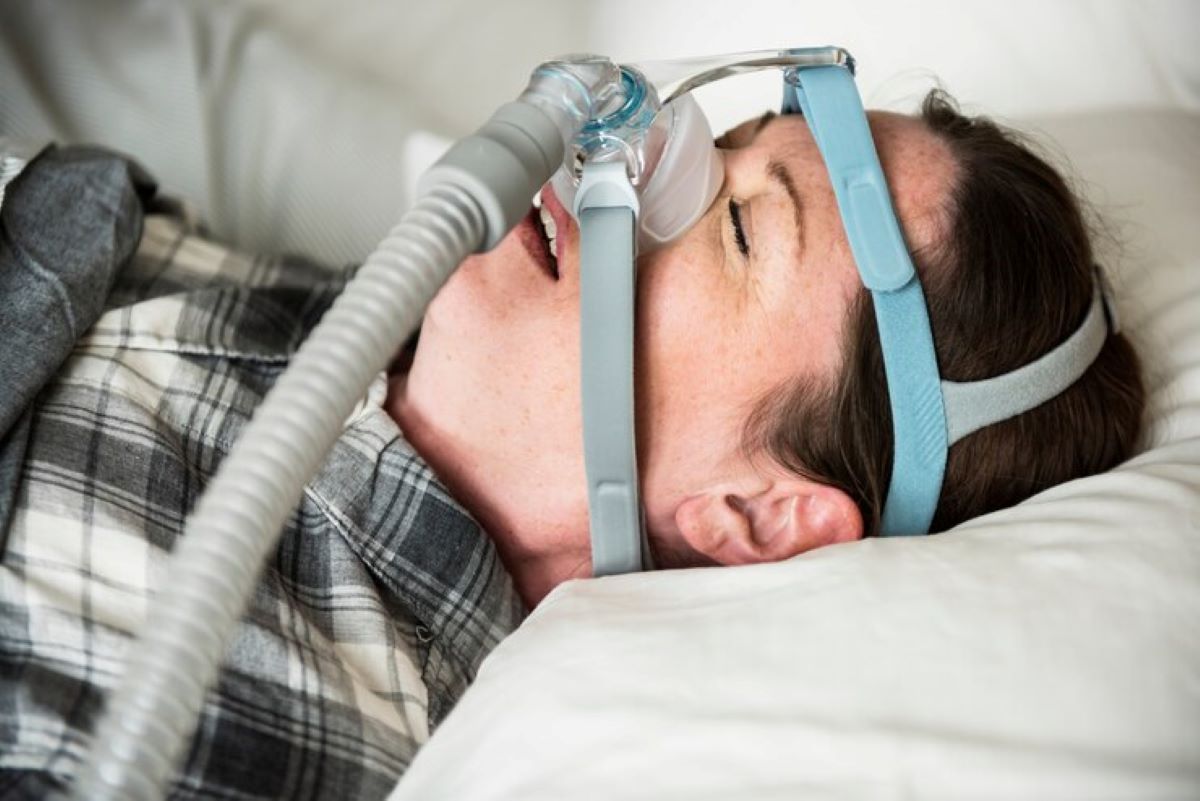
CPAP masks serve as the critical interface between you and your sleep apnea therapy machine, delivering continuous positive airway pressure to keep your airways open throughout the night. These medical devices attach to your CPAP machine via tubing and create a sealed connection over your nose, mouth, or both, depending on the mask type you choose.
Sleep apnea affects millions of Australians, causing breathing interruptions that can occur hundreds of times per night. Without proper treatment, this condition leads to:
- Chronic fatigue and daytime drowsiness
- Increased risk of heart disease and stroke
- High blood pressure complications
- Reduced cognitive function and memory issues
Your CPAP mask plays an essential role in sleep apnea treatment by maintaining consistent air pressure, preventing airway collapse, and ensuring uninterrupted breathing patterns. The effectiveness of your therapy depends heavily on finding a mask that fits properly and remains comfortable throughout the night.
When you buy CPAP mask Australia options, affordability becomes a significant consideration. Quality sleep therapy shouldn’t strain your budget, especially when you need replacement parts and accessories regularly. Affordable CPAP masks allow you to maintain consistent treatment without compromising your financial wellbeing, making it easier to prioritise your health and achieve better sleep outcomes.
Finding the right balance between cost and quality ensures you can access effective sleep apnea treatment that fits your specific needs and budget constraints.
What are the Different Types of CPAP Masks Available in Australia?
CPAP mask types vary significantly in design and functionality, each catering to specific sleep patterns and breathing preferences. Understanding these differences helps you select the most suitable option for your sleep apnea treatment needs.
Full-Face Masks
Full-face masks cover both your nose and mouth, making them ideal if you breathe through your mouth during sleep or experience nasal congestion. These masks provide:
- Complete airway coverage for consistent pressure delivery
- Effective treatment for mouth breathers and those with blocked nasal passages
- Suitable accommodation for higher pressure settings
- Reduced air leakage compared to other mask types
The design ensures uninterrupted therapy even when your breathing pattern changes during sleep cycles.
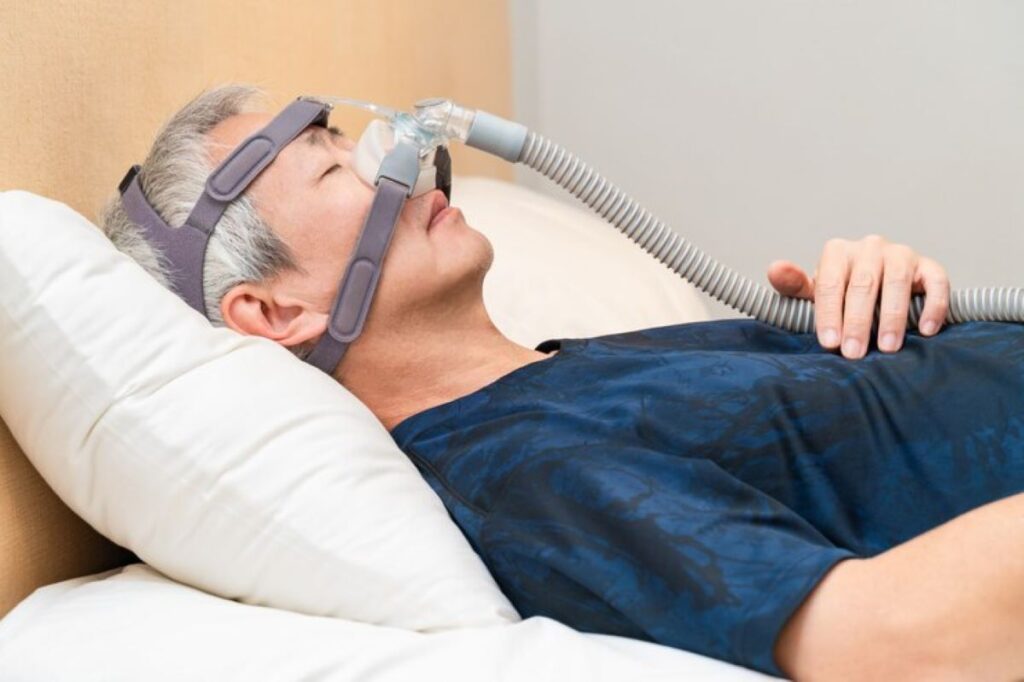
Nasal Masks
Nasal masks cover only your nose area and remain the preferred choice for many CPAP users. They offer several advantages:
- Natural breathing sensation through the nose
- Smaller profile that allows for better sleep positioning
- Less claustrophobic feeling compared to full-face options
- Compatible with most CPAP pressure ranges
You’ll find nasal masks particularly comfortable if you primarily breathe through your nose and don’t experience significant mouth breathing during sleep.
Nasal Pillow Masks
Nasal pillow masks feature the most minimalist design, using small cushions that seal directly at your nostrils. These masks excel in specific situations:
- Minimal facial contact reduces skin irritation
- Excellent field of vision for reading or watching television
- Lightweight construction enhances comfort during movement
- Ideal for active sleepers who change positions frequently
The compact design makes nasal pillow masks particularly appealing if you feel restricted by larger mask styles or have facial hair that interferes with traditional mask seals.
Who are the Leading Suppliers of CPAP Masks in Australia?
Air Liquide Healthcare Australia is a dominant provider of respiratory care services in Australia. Established in 1995, they boast a vast network of homecare services nationwide. Air Liquide Healthcare caters to tens of thousands of patients with home oxygen and sleep apnea requirements. Renowned for their commitment to delivering high-quality products and services to both patients and healthcare providers, they have a global presence serving 3.8 million patients in 75 countries with a workforce of 66,400 worldwide. Their extensive experience and comprehensive medical infrastructure make them a reliable choice for respiratory care. Visit https://www.nsw.gov.au/departments-and-agencies/snswlhd/our-services/lung-rehabilitation-services to get more about respiratory care services in NSW.
EasyCPAP supplier has carved out a significant niche in the Australian market by offering competitive pricing without sacrificing product quality. They provide a diverse range of masks from reputable manufacturers such as ResMed and Fisher & Paykel, making advanced sleep apnea treatment more accessible to a larger number of patients. If you’re seeking cost-effective solutions that still deliver effective therapy, their pricing strategy will be particularly appealing.
MyCPAP retailer distinguishes itself from other retailers by offering specialised products, particularly their selection of masks for children. In addition to standard adult masks, MyCPAP also provides CPAP solutions specifically designed for children, addressing the unique needs of young patients with sleep apnea. Families dealing with pediatric sleep disorders will find discounted prices on popular models like Philips Respironics DreamWisp, making quality treatment options more affordable.
These three suppliers represent different approaches to the Australian CPAP market: Air Liquide Healthcare’s comprehensive medical infrastructure, EasyCPAP’s focus on competitive pricing, and MyCPAP’s specialised product offerings. Depending on your specific needs, location, and budget considerations, each provider has its own advantages.
How Do Australian Suppliers Ensure Affordability Without Compromising Quality?
Australian CPAP suppliers have developed strategic approaches to deliver affordable CPAP masks Australia whilst maintaining the high standards patients require for effective sleep apnea treatment. These suppliers understand that cost shouldn’t be a barrier to accessing quality sleep apnea equipment.
Partnering with Established Manufacturers
EasyCPAP demonstrates this balance by partnering with established manufacturers like ResMed and Fisher & Paykel. You can access premium masks from these reputable brands at competitive pricing CPAP rates through their direct-to-consumer model. This approach eliminates middleman markups whilst ensuring you receive genuine products backed by manufacturer warranties. The company’s focus on volume purchasing allows them to negotiate better wholesale prices, passing these savings directly to customers seeking quality solutions.
Discounted Pricing Strategies on Popular Models
MyCPAP takes a different approach with their discounted pricing strategies on popular models. Their pricing structure on the Philips Respironics DreamWisp nasal mask exemplifies this strategy, offering significant savings compared to traditional retail channels. You benefit from reduced prices on proven technology without sacrificing the comfort and effectiveness these established brands provide.
Stocking Comprehensive Ranges of Replacement Parts
Replacement parts availability plays a crucial role in long-term cost management for Australian consumers. Smart suppliers stock comprehensive ranges of:
- Mask cushions and seals
- Headgear straps and clips
- Frame components and connectors
- Elbow joints and tubing
This strategic inventory approach means you can maintain your CPAP equipment cost-effectively rather than purchasing entirely new masks when individual components wear out. Suppliers who prioritise replacement parts availability help you extend your mask’s lifespan, making quality sleep apnea equipment more accessible across different budget ranges whilst ensuring consistent treatment effectiveness.
What Features Should Consumers Consider When Choosing a CPAP Mask?
Selecting the right CPAP mask features requires careful evaluation of several critical elements that directly impact your treatment success and nightly comfort. The mask you choose becomes your sleep companion, making these considerations essential for long-term therapy adherence.
1. Mask Comfort and Fit
Mask comfort and fit serve as the foundation of effective CPAP therapy. You need a mask that creates a proper seal without causing pressure points or discomfort during extended wear. Adjustable headgear options allow you to customise the fit according to your facial structure and sleeping positions. Look for masks with multiple adjustment points and flexible straps that distribute pressure evenly across your head and face.
2. Cushion Types
The choice of cushion types significantly affects both comfort and treatment effectiveness. Silicone cushions offer durability and excellent sealing properties, whilst gel-infused options provide enhanced comfort for sensitive skin. Memory foam cushions adapt to your facial contours, reducing the risk of air leaks and skin irritation. You should consider your skin sensitivity and any allergies when selecting cushion materials.
3. Vent Technology Improvements
Vent technology improvements have revolutionised modern CPAP masks, with brands like BMC incorporating advanced diffusion systems in their nasal masks. These innovations disperse exhaled air quietly and efficiently, preventing CO2 rebreathing whilst minimising noise disturbance for you and your sleep partner.
4. Additional Comfort Factors
Additional comfort factors include:
- Lightweight frame construction
- Quick-release clips for easy removal
- Minimal contact design to reduce facial marks
- Anti-leak technology for consistent pressure delivery
5. Personal Factors
Your mask choice should accommodate your preferred sleeping position, breathing patterns, and any claustrophobic tendencies. Testing different styles through trial programmes helps ensure you find the optimal combination of comfort, effectiveness, and long-term wearability.
See Also : CPAP Masks Australia: A Complete Guide for Buyers
Where Can Australians Purchase Replacement Parts for Their CPAP Masks?
CPAP replacement parts Australia are readily available through established suppliers who understand the importance of maintaining your sleep apnea therapy equipment. You can source essential components including cushions headgear frames replacement items through trusted retailers like EasyCPAP, which offers comprehensive maintenance solutions for Australian patients.
Essential Replacement Components Available
The most commonly needed replacement parts include:
- Mask cushions – requiring replacement every 3-6 months depending on usage
- Headgear straps – typically lasting 6-12 months with regular cleaning
- Mask frames – the most durable component but occasionally needing replacement due to wear or damage
- Elbow connectors and tubing – essential for maintaining proper airflow
Benefits of Genuine Replacement Parts
Sourcing authentic replacement parts from reputable suppliers ensures your CPAP therapy remains effective. Genuine components maintain the original seal integrity and comfort levels your mask was designed to provide. You’ll experience consistent pressure delivery and reduced air leaks when using manufacturer-approved parts.
Third-party alternatives might seem cost-effective initially, but they often compromise treatment efficacy and device longevity. Authentic parts undergo rigorous testing to meet medical device standards, ensuring your sleep apnea treatment continues without interruption.
EasyCPAP and similar Australian suppliers maintain extensive inventories of replacement parts for popular brands including ResMed, Fisher & Paykel, and Philips Respironics, making it convenient for you to find compatible components for seamless maintenance of your CPAP equipment.
How Does Free Shipping Enhance the Buying Experience for Australian Consumers?
Free shipping CPAP masks Australia policies have transformed the landscape for sleep apnea patients seeking affordable treatment solutions. EasyCPAP leads this initiative by offering complimentary delivery across the entire Australian continent, eliminating additional costs that traditionally burden consumers already managing medical expenses.
The hassle-free purchase online experience becomes particularly valuable for patients in remote and regional areas. You no longer need to factor in expensive courier fees or drive long distances to specialty medical equipment stores. This accessibility proves crucial for patients in Western Australia’s mining towns, Queensland’s rural communities, or Tasmania’s isolated regions where medical supply options remain limited.
Convenience factors extend beyond simple cost savings:
- Discreet delivery directly to your doorstep maintains privacy for sensitive medical equipment
- Flexible delivery scheduling accommodates work commitments and personal schedules
- Reduced travel time eliminates multiple trips to physical stores for consultations and purchases
- Immediate access to replacement parts prevents treatment interruptions
The free shipping model particularly benefits elderly patients or those with mobility limitations who find visiting physical stores challenging. You can browse extensive product catalogues, compare specifications, and make informed decisions from your home environment.
When searching to Buy CPAP Mask Australia: Affordable Options for Every Budget, free shipping policies effectively reduce the total cost of ownership, making quality sleep apnea treatment more accessible to diverse socioeconomic groups across Australia’s vast geography.
However, it’s important to remember that while online shopping offers numerous advantages, there are also some challenges associated with e-commerce, such as the potential for delayed deliveries or issues with product quality. Moreover, a recent UPS report highlights the importance of free shipping in influencing consumer behavior, underscoring its role as a key factor in enhancing the overall buying experience.
What Options Exist for Pediatric Sleep Apnea Patients in Australia?
Children with sleep apnea require specialised equipment designed specifically for their unique physiological needs. Pediatric CPAP masks Australia suppliers recognise that standard adult masks simply don’t provide the proper fit or comfort necessary for young patients to maintain consistent therapy compliance.
Retailers like MyCPAP have expanded their inventory to include dedicated pediatric solutions, understanding that children’s facial structures and breathing patterns differ significantly from adults. The MiniMe 2 nasal mask represents one of the most popular choices among Australian families, offering a child-friendly design that addresses common concerns parents face when introducing CPAP therapy to their children.
Key Features of Pediatric CPAP Masks
- Size-specific adjustments that accommodate growing facial features
- Softer cushion materials designed to prevent skin irritation on delicate skin
- Lightweight construction to reduce pressure points during sleep
- Colourful designs that make the therapy experience less intimidating for children
- Easy-to-use headgear that parents can adjust quickly
The availability of replacement parts specifically sized for children ensures that families can maintain their child’s therapy equipment without the expense of purchasing entirely new systems. Australian suppliers stock cushions, headgear straps, and frames in pediatric sizes, making it easier for parents to keep their child’s CPAP mask functioning optimally.
Child-specific masks also feature enhanced safety considerations, including breakaway connections and materials that meet strict pediatric medical device standards required in Australia.
Where to Buy Affordable Yet Effective CPAP Solutions in Australia?
Affordable CPAP solutions in Australia are readily available through multiple trusted channels, ensuring you can find the perfect mask within your budget. Whether you’re seeking entry-level options or premium models, Australian suppliers offer comprehensive ranges to suit every financial situation.
1. Air Liquide Healthcare
Air Liquide Healthcare leads the market with their extensive network of 152 diagnostic and therapy service locations, providing professional guidance alongside competitive pricing. Their homecare network serves tens of thousands of sleep apnea patients, demonstrating their commitment to accessible treatment solutions.
2. EasyCPAP
EasyCPAP excels in balancing affordability with quality, featuring discounted ResMed and Fisher & Paykel products. Their free shipping across Australia eliminates additional costs, making effective sleep apnea treatment more accessible.
3. MyCPAP
MyCPAP offers competitive pricing on popular models like Philips Respironics DreamWisp, ensuring you receive genuine products without breaking the bank.
When searching to Buy CPAP Mask Australia: Affordable Options for Every Budget, choose reputable suppliers who guarantee authentic products, comprehensive replacement parts availability, and ongoing customer support. Your sleep health deserves quality treatment that fits your financial circumstances – these trusted providers deliver exactly that combination.
FAQs About CPAP Masks and Sleep Apnea Treatment
A CPAP mask delivers continuous positive airway pressure from a CPAP machine, keeping airways open to prevent interruptions caused by sleep apnea. Proper fit and comfort are essential for effective therapy.
2. What types of CPAP masks are available in Australia?
The main types are full-face masks, nasal masks, and nasal pillow masks, each designed to suit different breathing patterns and sleep preferences.
3. How do full-face masks differ from nasal masks?
Full-face masks cover both the nose and mouth, ideal for mouth breathers, while nasal masks cover only the nose and offer a smaller, less claustrophobic design.
4. Who are leading CPAP mask suppliers in Australia?
Top suppliers include Air Liquide Healthcare (comprehensive homecare), EasyCPAP (affordable options), and MyCPAP (specialised products for children).
5. How do Australian suppliers maintain affordability without compromising quality?
They partner with reputable manufacturers, offer discounted pricing on popular models, and stock replacement parts to reduce long-term costs.
6. What features should I consider when choosing a CPAP mask?
Key factors include mask comfort, fit, cushion type, vent technology, and compatibility with your sleep position and breathing patterns.
7. Where can I purchase CPAP replacement parts in Australia?
Suppliers like EasyCPAP provide cushions, headgear, frames, and tubing, ensuring genuine parts that maintain therapy effectiveness.
8. Are there CPAP masks designed for children?
Yes, pediatric masks, such as the MiniMe 2 nasal mask, offer size-specific adjustments, softer cushions, lightweight frames, and child-friendly designs.
9. Does free shipping benefit Australian CPAP users?
Absolutely. Free shipping reduces costs, improves access for remote areas, ensures discreet delivery, and helps maintain consistent therapy without interruptions.