Month: October 2025
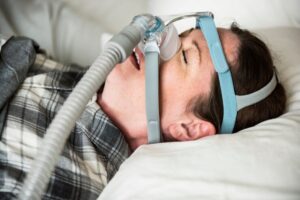
How CPAP Machines Improve Sleep Quality and Prevent Sleep Apnea Complications
Sleep is essential for overall health, yet millions of adults struggle with sleep apnea—a common sleep disorder that disrupts breathing during rest. Continuous Positive Airway Pressure (CPAP) machines have become the gold standard for managing sleep apnea. Not only do they improve sleep quality, but they also prevent serious complications that can affect your heart, energy levels, and long-term health. In this article, we explore how CPAP therapy works, its benefits, and practical tips to maximize its effectiveness. Understanding Sleep Apnea Sleep apnea is a condition where the airway becomes partially or completely blocked during sleep, causing breathing interruptions. These pauses, known as apneas, reduce oxygen flow to the body and strain vital organs, including the heart. Common Symptoms of Sleep Apnea: Untreated sleep apnea is linked to high blood pressure, cardiovascular disease, diabetes, and an increased risk of accidents due to daytime drowsiness. This is why early detection through a sleep study and treatment is critical. How CPAP Machines Work A CPAP machine delivers a steady stream of pressurized air through a mask, keeping the airway open throughout the night. This simple mechanism prevents apneas, allowing for continuous oxygen flow and uninterrupted sleep cycles. Real-World Example: John, a 52-year-old man with moderate sleep apnea, used to wake up multiple times at night gasping for air. After starting CPAP therapy, his nighttime awakenings stopped, he felt more energetic during the day, and his blood pressure improved. Benefits of CPAP Therapy 1. Improves Sleep Quality By maintaining an open airway, CPAP machines allow you to reach deep, restorative sleep stages. Patients often report: 2. Reduces Risk of Cardiovascular Complications Sleep apnea increases strain on the heart due to repeated oxygen drops. CPAP therapy: 3. Enhances Overall Sleep Health Consistent CPAP use improves sleep health and contributes to better mood, energy, and long-term wellness. Getting Started with CPAP Therapy Starting CPAP therapy can feel challenging, but with the right approach, it becomes part of a healthy sleep routine. Tips for New Users: Lifestyle Changes That Complement CPAP Therapy While CPAP is highly effective, certain lifestyle changes can further improve sleep apnea symptoms: Combining CPAP therapy with these adjustments ensures maximum improvement in sleep quality and overall health. The Role of Sleep Studies A sleep study is essential to diagnose sleep apnea and determine the right CPAP settings. During the study, specialists monitor oxygen levels, heart rate, breathing patterns, and sleep cycles. Results guide personalized therapy, ensuring effective treatment. Conclusion CPAP machines are more than just a sleep aid—they are a critical tool in preventing the serious complications of sleep apnea. By improving oxygen flow, restoring uninterrupted sleep, and reducing strain on the heart, CPAP therapy enhances both sleep quality and overall health. Coupled with lifestyle changes and regular medical guidance, CPAP ensures long-term protection against the dangers of untreated sleep apnea. If you suspect you have sleep apnea or struggle with poor sleep, consult a sleep specialist. Early intervention through a sleep study and CPAP therapy can make a lasting difference in your health and quality of life. FAQS
Read More
Buy CPAP Mask Australia Affordable Options for Every Budget, Revisited
Finding a comfortable mask at a fair price can be the difference between sticking with therapy and giving up. This guide revisits how Australians can buy CPAP mask Australia wide without overpaying, while still prioritising fit, comfort, and reliable local support. Why does the right CPAP mask matter more than the lowest price? The right mask matters because leaks, discomfort, and pressure marks can reduce therapy effectiveness and disturb sleep. A cheaper option that does not fit well often costs more in the long run through replacements, add-ons, and poor compliance. For many people, the goal is value: a mask that seals well, feels comfortable, and lasts, backed by Australian consumer protections and easy returns. What are the main CPAP mask types and which are usually most affordable? The three common types are nasal masks, nasal pillows, and full face masks. Nasal pillows are often priced competitively and use less material, while full face masks can cost more due to larger cushions and frame parts. However, affordability depends on ongoing costs too. Some designs have cheaper replacement cushions, which can make a higher upfront purchase better value over a year. How can Australians buy CPAP masks on a tight budget without risking poor fit? They can start by confirming their preferred mask category, checking sizing guides, and prioritising models known for stable seals. This reduces the risk of buying a bargain mask that sits poorly and ends up unused. When they buy CPAP mask Australia online, they should choose retailers that clearly publish returns processes, warranty details, and local contact options for support. Where can they buy CPAP masks in Australia for the best mix of price and support? They can buy through Australian CPAP retailers online, many of which run regular promotions and bundle deals. Local suppliers often provide faster shipping, easier exchanges, and product guidance tailored to Australian users. Some people also choose to purchase in store through sleep clinics or CPAP showrooms, especially if they want hands-on fitting. This may cost more upfront, but it can prevent expensive trial and error. When is it smarter to buy online versus in store in Australia? Online is usually smarter when they already know their exact mask model and size, or when they are replacing a like-for-like mask. It is also useful for comparing prices quickly and accessing clearance stock. In store is often smarter for first-time buyers, people switching mask types, or anyone struggling with leaks. For those wanting to buy CPAP mask Australia wide with confidence, a fitting appointment can be a cost saver. What should they look for in “affordable” masks beyond the ticket price? They should check the price and availability of replacement cushions, headgear, and clips. A mask that needs frequent cushion replacement, or has pricey parts, can become expensive even if the starter kit is discounted. They should also consider comfort features that reduce night-to-night issues, such as softer silicone, flexible frames, and diffused venting. Fewer disruptions can mean fewer abandoned purchases. How do sales, bundles, and subscription parts programmes affect the real cost? Sales and bundles can significantly lower the entry price, particularly when a mask is packaged with spare cushions or discounted accessories. This can be ideal for people who already know what works for them. Parts programmes can help spread costs across the year, but they should confirm they are not locked into higher prices. If they plan to buy CPAP mask Australia style through a recurring plan, they should compare total annual spend against buying parts as needed. Are generic or “compatible” cushions a good way to save money in Australia? Sometimes, but they should be careful. Compatible parts may not match the seal quality or durability of genuine components, and warranties may be affected if issues arise. For those trying to reduce costs safely, it is often better to buy last season’s genuine mask model on clearance, then use genuine cushions. This approach keeps quality high while lowering the upfront spend. Other Resources : Respiratory care services in NSW How can they choose between nasal pillows and full face masks for budget and comfort? Nasal pillows can be a budget-friendly choice for people who breathe comfortably through the nose and prefer a minimal feel. They can also suit those who move a lot during sleep, as smaller contact areas may reduce pressure marks. Full face masks can be worth the higher cost for mouth breathers or those with frequent nasal congestion. If they buy CPAP mask Australia wide for year-round use, a full face option can prevent therapy interruptions during colds and allergy seasons. What sizing and fitting steps prevent wasted purchases? They should use the manufacturer sizing template where available and measure carefully before ordering. Small sizing errors are a common reason people experience leaks and discomfort, especially with nasal cushions. They should also review how the mask should sit at therapy pressure, not just when worn loosely. A good retailer will explain fit checks and help troubleshoot before they decide to replace the mask. Which comfort add-ons are worth paying for on a budget? Mask liners can be cost-effective for reducing irritation and minor leaks, especially for sensitive skin. Soft wraps for headgear can also improve comfort without changing the mask. Heated tubing and humidifiers are more about comfort than mask choice, but they can reduce dryness that makes masks feel harder to tolerate. If they buy CPAP mask Australia wide to improve compliance, comfort add-ons can be a better spend than repeatedly changing masks. How can they keep costs down with proper cleaning and replacement timing? They can wash cushions gently with mild soap and allow them to air dry away from direct sunlight. This helps maintain the silicone seal and reduces early wear. Replacement timing varies by use and care, but they should watch for persistent leaks, yellowing silicone, or loss of softness. When they buy CPAP mask Australia wide, they should also check whether replacement cushions are in stock locally to avoid expensive
Read More
CPAP Masks Australia a Complete Guide for Buyers: What Has Changed
Buying a CPAP mask in 2026 looks simple until someone realises fit, comfort, and local supply rules can make or break therapy. This guide explains what has changed in CPAP Masks Australia, what buyers should check, and how to choose confidently from an Australian perspective. What has changed in CPAP masks in Australia recently? The biggest changes are wider mask styles, quieter venting, and more “small-fit” options designed to reduce leaks. Australian buyers are also seeing more starter bundles, better return policies from local suppliers, and clearer compatibility advice for popular machines like ResMed and Philips. For CPAP Masks Australia, the shift is towards comfort-first designs that encourage long-term use rather than short-term “good enough” fittings. Why does the right mask matter more than the CPAP machine? The mask controls seal quality, comfort, and whether a person keeps the therapy on all night. Even a premium CPAP can feel ineffective if the mask leaks, causes pressure points, or triggers dry mouth. In CPAP Masks Australia, clinicians and retailers increasingly focus on mask choice early because mask problems are a common reason people stop treatment. Which CPAP mask types are most common in Australia? Most buyers choose between nasal pillows, nasal masks, and full-face masks. Nasal pillows are minimal and suit many side sleepers. Nasal masks offer stable sealing for moderate pressures. Full-face masks help when mouth breathing occurs or congestion is frequent. Across CPAP Masks Australia, there is also growing interest in hybrid designs that sit under the nose while covering the mouth. How should buyers choose between nasal pillows, nasal, and full-face masks? They should match the mask style to breathing habits, sleep position, and pressure settings. Nasal options suit those who breathe comfortably through the nose and want lighter contact. Full-face masks suit those who regularly breathe through the mouth or have recurring nasal blockage. For CPAP Masks Australia, many suppliers recommend starting with a nasal option where possible, then moving to full-face if symptoms or leaks persist. What fit features are now more important than brand? Fit features like cushion shape, frame flexibility, and headgear adjustment matter more than the logo on the box. A mask that accommodates facial hair, a narrow nasal bridge, or sensitive skin can outperform a “top” model that simply does not suit the face. Shoppers in CPAP Masks Australia benefit from comparing sizing guides, cushion variants, and whether the mask offers multiple cushion sizes in one pack. How have comfort and noise levels improved? Newer masks tend to distribute pressure more evenly and use softer silicone blends or memory-style cushions. Venting has also improved, with diffusers designed to reduce drafts and noise that disturb bed partners. In CPAP Masks Australia, quieter venting is one of the most noticeable upgrades for couples and for people who sleep lightly. Are magnetic clips and quick-release parts safe for everyone? They are convenient, but not for everyone. People with certain implanted medical devices may be advised to avoid magnets or keep them at a safe distance, depending on clinical guidance. Quick-release elbows and clips are generally helpful for night-time bathroom trips and for cleaning. Australian buyers should check the mask’s safety notes and ask their sleep clinician if there is any concern, especially when comparing options in CPAP Masks Australia. What should buyers know about online buying versus in-store fitting in Australia? Online buying is usually cheaper and offers a range, but in-store fitting can reduce costly trial and error. Many Australian retailers now provide telehealth-style support, mask fitting appointments, and exchange programmes that make online buying less risky. For CPAP Masks Australia, buyers should look for clear return windows, hygiene seal rules, and whether a “fit guarantee” applies to opened masks. How do Australian rules and consumer policies affect returns? Returns often depend on whether packaging is opened and whether the mask is considered a hygiene product under the seller’s policy. Some suppliers offer exchanges within a set period if the mask is cleaned and returned with all parts, while others only allow returns on unopened items. Anyone shopping for CPAP Masks Australia should read the policy before buying, then keep receipts, packaging, and order confirmations until they are sure the mask works. What sizing and leak issues catch Australian buyers out most often? Common issues include choosing the wrong cushion size, overtightening headgear, and ignoring pillow height or sleep posture. Leaks are frequently caused by a cushion that is too large, straps that distort the seal, or mouth leak when using a nasal interface. In CPAP Masks Australia, many buyers solve leaks faster by adjusting fit while lying down at therapy pressure, not while sitting upright. How should they choose a mask for side sleeping in the Australian climate? Side sleepers often do best with low-profile frames and flexible tubing connections that do not push the cushion off-centre. Heat and humidity can increase sweating under the seal, so breathable headgear and gentle strap tension can help. For CPAP Masks Australia, a common practical tip is to pair a suitable mask with a CPAP pillow or a cut-out pillow design to reduce side pressure. What has changed with heated humidifiers, hoses, and dryness problems? Modern humidifiers and heated hoses reduce dryness, rainout, and congestion, but they also highlight mask weaknesses. If humidity is increased, any small leak may become noisier or more noticeable, and mouth leak can worsen dry throat. Buyers comparing CPAP Masks Australia options should consider whether they need a chin strap, a switch to full-face, or a better-sealing nasal cushion rather than simply turning humidity higher. How do they pick a CPAP mask if they have a beard, sensitive skin, or allergies? Beards can reduce seal consistency, so designs with adaptable cushions and minimal contact points can help. Sensitive skin benefits from softer cushions, careful strap tension, and fabric mask liners. Allergy-prone users should prioritise easy-clean materials and consistent replacement schedules. Within CPAP Masks Australia, many suppliers stock liners and hypoallergenic accessories, but the simplest improvement is usually better sizing and
Read More