Understanding the Importance of a Sleep Study for Diagnosing Sleep Apnea

sleep study

Sleep apnea is a common yet potentially serious sleep disorder that affects millions of people worldwide. It is characterized by repeated pauses in breathing or shallow breaths during sleep. These pauses can last for a few seconds to minutes and occur multiple times throughout the night, disrupting the normal sleep pattern. To accurately diagnose sleep apnea and determine its severity, a sleep study is often necessary.

What is Sleep Apnea?

Sleep apnea is a condition that affects the way a person breathes while they are asleep. It can have a significant impact on a person’s overall health and well-being. There are three main types of sleep apnea: obstructive sleep apnea, central sleep apnea, and complex sleep apnea syndrome.

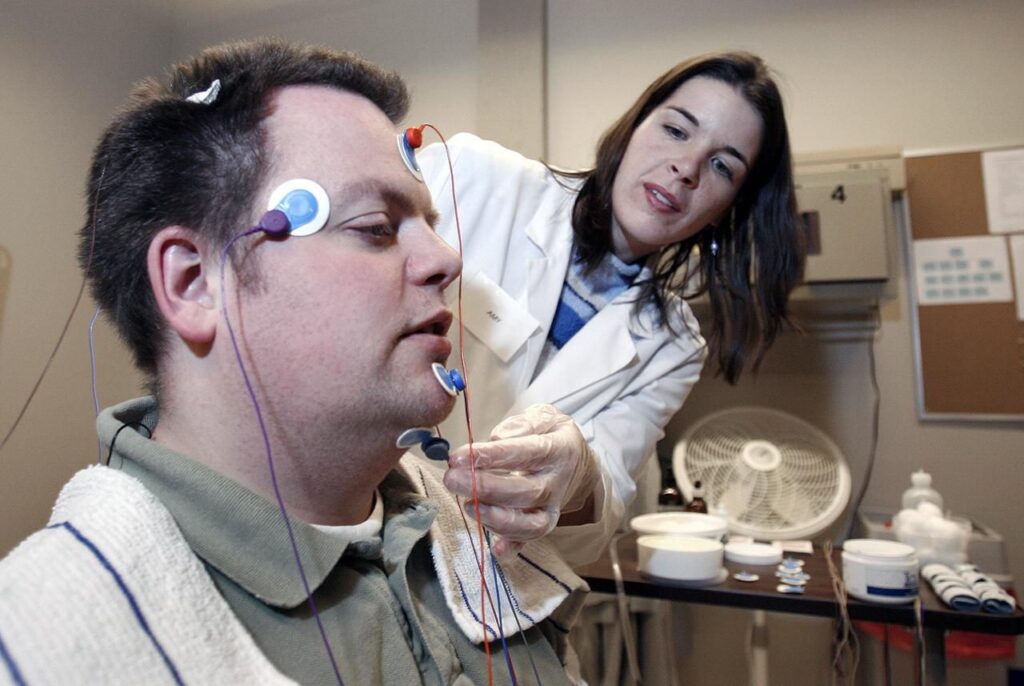
During a sleep study, the patient arrives at the sleep center in the evening and goes through the setup process. Electrodes are attached to the scalp, face, chest, and legs to record brain activity, eye movements, muscle activity, heart rate, and other vital signs. A belt is also placed around the chest and abdomen to monitor breathing effort.

Obstructive sleep apnea (OSA) is the most common type and occurs when the throat muscles relax, causing the airway to narrow or close completely. This can lead to pauses in breathing, often accompanied by loud snoring and gasping for air. These pauses can happen multiple times throughout the night, disrupting the normal sleep cycle and preventing the person from getting restful sleep.

Central sleep apnea (CSA) is less common and results from the brain not sending proper signals to the muscles that control breathing. Unlike OSA, CSA is not typically associated with snoring. Instead, it is characterized by periods of shallow or paused breathing during sleep. This can also lead to fragmented sleep and daytime sleepiness.

Complex sleep apnea syndrome is a combination of both OSA and CSA. It is a more complex condition that requires specialized treatment and management.

Symptoms and Signs of Sleep Apnea

Recognizing the symptoms and signs of sleep apnea is crucial for early detection and treatment. Some common symptoms include loud snoring, gasping or choking during sleep, excessive daytime sleepiness, morning headaches, irritability, difficulty concentrating, and waking up frequently during the night. However, it is important to note that not everyone with sleep apnea experiences these symptoms.

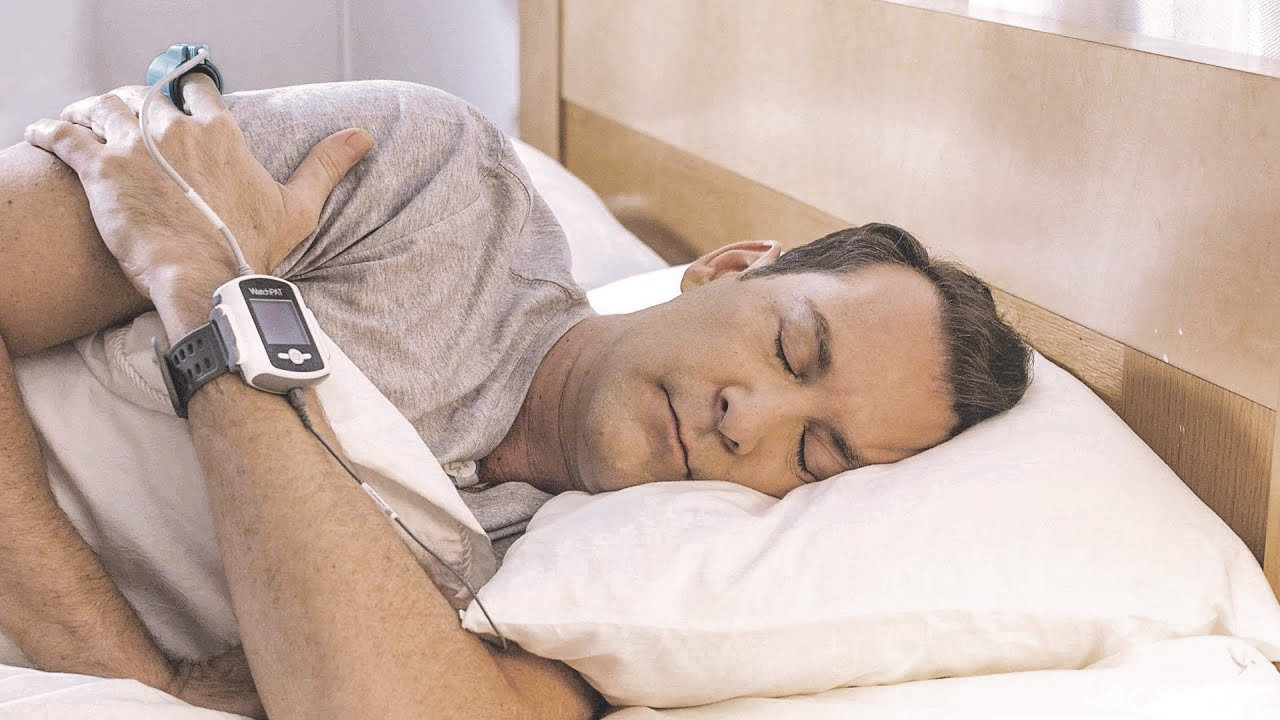
Some individuals may only exhibit subtle signs, such as morning fatigue or a general feeling of unrefreshed sleep. This makes a sleep study necessary for an accurate diagnosis. A sleep study, also known as a polysomnogram, is a comprehensive evaluation that monitors various physiological parameters during sleep, including brain activity, eye movements, heart rate, and breathing patterns. It provides valuable information to healthcare professionals to determine the presence and severity of sleep apnea.
sleep study

Risk Factors for Sleep Apnea

While sleep apnea can affect anyone, certain factors can increase the risk of developing the condition. Being overweight or obese is a significant risk factor, as excess weight can contribute to the narrowing of the airway. Additionally, individuals with a thick neck circumference are more prone to experiencing sleep apnea symptoms.

Genetics also play a role, as having a family history of sleep apnea can increase the likelihood of developing the condition. Age and gender are also factors, with sleep apnea being more prevalent in older individuals and men. Structural abnormalities, such as a deviated septum or nasal congestion, can contribute to airway obstruction during sleep.

Furthermore, lifestyle choices can impact sleep apnea risk. Smoking can irritate the airways and increase inflammation, making them more prone to collapse during sleep. Alcohol and sedatives can relax the throat muscles, further exacerbating the condition. Read more about inflammation at https://www.ncbi.nlm.nih.gov/books/NBK279298/

Understanding these risk factors can help individuals identify their susceptibility to sleep apnea and take proactive measures to address their sleep health. Seeking medical advice and undergoing a sleep study can provide valuable insights and guide appropriate treatment options.

The Role of Sleep Studies in Diagnosis

Sleep studies, also known as polysomnography, are essential for diagnosing sleep apnea. They provide valuable information about a person’s sleep patterns, breathing, and brain activity during sleep. A sleep study typically involves spending a night in a sleep center or using a portable sleep monitoring device at home. It involves the placement of sensors on various parts of the body to monitor breathing, heart rate, oxygen levels, brain waves, and movements.

The Process of a Sleep Study

Once the setup is complete, the patient is allowed to sleep while the equipment records and analyzes their sleep data. The sleep technologist monitors the study remotely and ensures the accuracy of the collected information. In the morning, the patient’s sleep study results are reviewed and interpreted by a sleep specialist, who then makes a diagnosis based on the findings.

Interpreting Sleep Study Results

The sleep study results provide valuable insights into the presence and severity of sleep apnea. The Apnea-Hypopnea Index (AHI) is used to quantify the number of apnea and hypopnea events per hour of sleep. It helps determine whether a person has mild, moderate, or severe sleep apnea. Other factors assessed include oxygen levels, sleep efficiency, and the presence of other sleep disorders.

Based on the sleep study results, the sleep specialist can recommend appropriate treatment options and interventions tailored to the individual’s specific needs. This personalized approach ensures that patients receive the most effective treatment plan for managing their sleep apnea.

Furthermore, sleep studies can also provide valuable information about other sleep disorders that may be impacting a person’s overall sleep quality and health. For example, the study can reveal if a person is experiencing restless leg syndrome, periodic limb movement disorder, or narcolepsy. These additional insights allow healthcare professionals to develop comprehensive treatment plans that address all aspects of a patient’s sleep-related issues.

Moreover, sleep studies can also shed light on the impact of sleep apnea on a person’s overall health. Sleep apnea has been linked to various health conditions, including high blood pressure, heart disease, stroke, and diabetes. By understanding the severity of sleep apnea through sleep studies, healthcare providers can better assess a patient’s risk for these associated health problems and take appropriate preventive measures. Click here to learn more about diabetes.

Benefits of Early Diagnosis and Treatment

Early diagnosis and treatment of sleep apnea offer numerous benefits that can significantly improve the quality of life and overall health of affected individuals. With proper treatment, individuals experience improved sleep quality, reduced daytime sleepiness, increased energy levels, and enhanced cognitive function.

Improving Quality of Life with Treatment

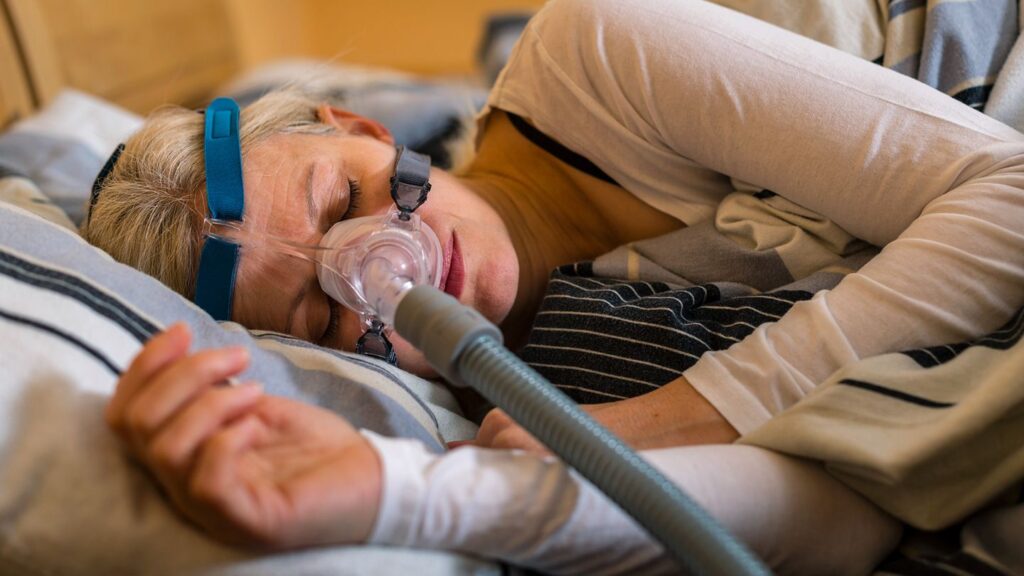
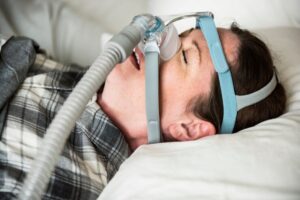
Sleep apnea treatment, such as continuous positive airway pressure (CPAP) therapy, helps alleviate symptoms and restore normal breathing patterns during sleep. By ensuring adequate oxygenation and uninterrupted sleep, individuals can wake up feeling refreshed and rejuvenated.

Additionally, addressing sleep apnea reduces the risk of developing comorbidities such as high blood pressure, heart disease, stroke, type 2 diabetes, and depression, which are commonly associated with untreated sleep apnea. By improving overall health and well-being, early diagnosis and treatment of sleep apnea can significantly enhance quality of life.

Preventing Long-Term Health Risks

Left untreated, sleep apnea can have severe consequences on long-term health. The repeated oxygen deprivation and disrupted sleep patterns can increase the risk of cardiovascular problems, including hypertension, arrhythmias, and heart failure. Sleep apnea has also been linked to metabolic disorders, cognitive impairment, and an increased risk of accidents and workplace injuries due to daytime sleepiness.

By diagnosing and treating sleep apnea early on, individuals can reduce the likelihood of developing these adverse health outcomes and maintain better overall health for years to come. It is crucial to recognize the importance of sleep apnea diagnosis and the subsequent initiation of appropriate treatment to minimize potential risks.
sleep study

Common Misconceptions about Sleep Apnea and Sleep Studies

Despite the prevalence of sleep apnea, there are several misconceptions surrounding the condition and the role of sleep studies in diagnosis. Debunking these myths is crucial for increasing awareness and promoting accurate information.

Debunking Sleep Apnea Myths

  1. Myth: Only overweight or older adults develop sleep apnea.In reality, sleep apnea can affect individuals of all ages and body types. While certain risk factors contribute to its development, anyone can be susceptible to sleep apnea.
  2. Myth: Snoring is harmless and unrelated to sleep apnea.Snoring can be a symptom of sleep apnea, especially if accompanied by other signs such as gasping, choking, or pauses in breathing during sleep.
  3. Myth: Sleep apnea only affects sleep quality.Aside from the impact on sleep quality, sleep apnea can have serious consequences on overall health, including cardiovascular and metabolic health.

Addressing Fears about Sleep Studies

Some individuals may be hesitant about undergoing a sleep study due to various fears or concerns. It is important to address these apprehensions and provide reassurance about the nature and process of sleep studies.

  • Fear: Discomfort or pain during the sleep study.Sleep studies are non-invasive, painless procedures. The sensors and electrodes used during the study are applied with minimal discomfort, allowing individuals to sleep naturally.
  • Fear: Feeling claustrophobic or confined during the sleep study.Modern sleep study setups provide a comfortable environment, and individuals can move freely within reasonable limits. Sleep centers strive to create a relaxed and home-like ambiance to ensure patient comfort.
  • Fear: Inconvenience of spending a night in a sleep center.While spending a night away from home may feel inconvenient, sleep studies are crucial for accurate diagnosis and subsequent treatment. The information gained from a sleep study is invaluable for addressing sleep apnea and improving overall health.

The Future of Sleep Apnea Diagnosis

Advancements in technology and personalized medicine are revolutionizing sleep apnea diagnosis and treatment. These innovations offer hope for improved accuracy, increased accessibility, and enhanced patient experience.

Read about sleep testing: Comprehensive Guide to Sleep Testing

Advances in Sleep Study Technology

Newer sleep monitoring devices are becoming more user-friendly and portable, allowing individuals to undergo sleep studies in the comfort of their homes. These home sleep tests provide an alternative to traditional in-lab studies, making diagnosis more accessible and convenient.

Furthermore, advancements in wearable technology and sleep tracking apps provide individuals with tools to monitor their sleep patterns and identify irregularities that may indicate the need for further evaluation.

The Role of Personalized Medicine in Sleep Apnea Treatment

Personalized medicine involves tailoring treatment plans based on an individual’s unique genetic makeup, lifestyle, preferences, and other factors. In the context of sleep apnea, personalized medicine allows for a more targeted and effective approach to treatment.

With advancements in genetic research and biomarker identification, sleep specialists can better understand the underlying mechanisms of sleep apnea and develop personalized interventions to address specific physiological variations. This individualized approach maximizes treatment outcomes and improves patient satisfaction.

In conclusion, understanding the importance of a sleep study for diagnosing sleep apnea is crucial for identifying and managing this common sleep disorder. Sleep studies play a vital role in accurate diagnosis, treatment planning, and long-term management. By debunking common myths, addressing fears, and embracing advancements in technology and personalized medicine, we can ensure more effective diagnosis and treatment strategies for individuals with sleep apnea.
Air Liquid
Sleep Apnea

Scaling Semiconductor Supply Chains: Ultra-High Purity Gases

Scaling the Semiconductor Supply Chain: The Role of Ultra-High Purity Gases The global hunger for computational power, driven largely by the exponential growth of Artificial Intelligence (AI) and 5G telecommunications, has placed the semiconductor industry under a microscope. To meet this demand, manufacturers are not just building more “fabs” (fabrication plants); they are re-engineering the foundational chemistry of chip production. Central to this effort is scaling the semiconductor supply chain: the role of ultra-high purity gases cannot be overstated. In the precision-driven world of nanometre-scale circuitry, even a single rogue molecule of oxygen or moisture can ruin a silicon wafer. As Australia seeks to bolster its niche position in the global tech ecosystem and major hubs in Asia and the U.S. expand, the reliability and purity of electronic specialty gases have become the primary benchmarks for chip production efficiency. See more: How an Oxygen Compressor Can Improve Your Home Oxygen Therapy Experience What are Ultra-High Purity (UHP) Gases in Semiconductors? Ultra-high purity (UHP) gases are the lifeblood of a semiconductor fab. Unlike industrial-grade gases, UHP gases are refined to levels where impurities are measured in parts per billion (ppb) or even parts per trillion (ppt). In the context of semiconductor manufacturing gases, these substances are used in almost every stage of the photolithography, etching, and doping processes. Without them, the atomic-level precision required for modern 3nm and 5nm chips would be physically impossible to achieve. Categories of Essential Gases The Critical Role of Gases in Chip Production Efficiency Efficiency in a semiconductor fab is measured by “yield”—the percentage of functional chips on a single wafer. Chip production efficiency is directly tethered to the consistency of the gas supply. 1. Maintaining Atmosphere Integrity During deposition, carrier gases like Nitrogen ($N_2$) and Argon ($Ar$) create an ultra-clean “blanket.” This prevents oxidation, which is the leading cause of “killer defects” in wafer fabrication. 2. Precision Etching and Deposition Specialty gases like Nitrogen Trifluoride ($NF_3$) and Tungsten Hexafluoride ($WF_6$) allow for the creation of 3D structures on a chip. As transistors shrink, the margin for error in gas concentration vanishes. Any fluctuation in purity results in immediate downtime and millions of dollars in lost revenue. 3. Thermal Management Helium ($He$) is frequently used for its high thermal conductivity to cool wafers quickly during high-heat processes, ensuring the structural integrity of the delicate silicon lattice. Scaling Challenges: Meeting Global AI Demand The “AI Gold Rush” has shifted the requirements for the semiconductor supply chain. High-performance computing (HPC) chips require more layers and more complex architectures, leading to a surge in gas consumption per wafer. Supply Chain Stability Statistics According to recent industry reports, the global electronic gases market is projected to reach over $12 billion by 2028. Major regional hubs are responding with massive infrastructure investments: Gas Type Primary Use Required Purity Level Nitrogen ($N_2$) Purging & Inerting 99.9999% (6N) Argon ($Ar$) Plasma Etching 99.9999% (6N) Silane ($SiH_4$) Silicon Deposition 99.999% (5N) Nitrogen Trifluoride ($NF_3$) Chamber Cleaning 99.99% Regional Hubs and Logistics: From Asia to Australia The logistics of scaling the semiconductor supply chain involves more than just chemistry; it requires a sophisticated distribution network. The Asian Powerhouse Asia remains the heartbeat of semiconductor gas consumption. Locations like Hsinchu (Taiwan) and Pyeongtaek (South Korea) require “over-the-fence” gas plants. These are dedicated air separation units (ASUs) built directly adjacent to the fab to ensure a continuous, pipe-fed supply of UHP Nitrogen and Oxygen. The Australian Connection While Australia is not currently a mass-producer of leading-edge logic chips, it plays a vital role in the semiconductor manufacturing gases ecosystem. Australia is a significant producer of rare gases and the raw materials required for specialty gas synthesis. As the world looks to “friend-shore” supply chains, Australia’s stable regulatory environment makes it an ideal partner for the purification and export of these critical molecules. Best Practices for Scaling Gas Infrastructure For firms looking to optimize their supply chain, several best practices emerge: Common Mistakes in Gas Supply Management FAQ: Semiconductor Gases and Supply Chain What is the most used gas in semiconductor manufacturing? Nitrogen ($N_2$) is the most used gas by volume. It is used for purging equipment, wafer transport, and creating inert environments to prevent contamination. Why is Nitrogen Trifluoride ($NF_3$) important? $NF_3$ is a critical cleaning gas. It removes residue from the insides of chemical vapor deposition (CVD) chambers without damaging the equipment, which is vital for maintaining high uptime. How does gas purity affect AI chip production? AI chips require incredibly high transistor density. Any impurity in the gas can cause a “short” in the circuit, rendering the expensive high-end chip useless. Can Australia become a leader in semiconductor gases? Yes. Australia’s strength lies in its mineral wealth and burgeoning high-tech manufacturing sector, providing the raw materials and refined specialty gases needed for global supply chain resilience. What is an “Electronic Specialty Gas” (ESG)? ESGs are a group of high-performance gases used in specific semiconductor processes like etching, doping, and thin-film deposition, often requiring extreme handling precautions due to their reactive nature. Conclusion: The Future of High-Purity Infrastructure As we move further into the decade of AI, the infrastructure behind the scenes will determine the winners of the digital age. Scaling the semiconductor supply chain: the role of ultra-high purity gases is the unsung hero of this technological evolution. By focusing on chip production efficiency and the precise application of electronic specialty gases, manufacturers can ensure they meet the global demand for faster, smaller, and more efficient processors. For stakeholders in Australia and abroad, the path forward involves investing in purification technology and localized supply loops to insulate the industry from global shocks. Internal Linking Suggestions: Authoritative External References:

Read More
cpap mask
CPAP Masks

Best CPAP Mask Guide 2026: Types, Fitting & Australian Tips

Finding the right CPAP mask is often the single most important factor in determining whether sleep apnea therapy succeeds or fails. For many Australians, the initial transition to Continuous Positive Airway Pressure (CPAP) can feel overwhelming. However, modern engineering has transformed these devices from bulky medical gear into streamlined, comfortable, and whisper-quiet interfaces. Whether you are a restless sleeper, a mouth breather, or someone who feels claustrophobic, there is a specific mask design tailored to your facial anatomy and breathing habits. This guide provides an in-depth look at selecting the perfect interface to ensure high compliance and restorative sleep. What is a CPAP Mask and Why Does Choice Matter? A CPAP mask is the physical interface between your sleep apnea machine and your airway. It delivers a pressurized stream of filtered air that acts as a “splint,” keeping your upper airway open and preventing the collapses associated with Obstructive Sleep Apnea (OSA). In the Australian market, the variety of masks available has expanded significantly. Choosing the wrong style doesn’t just cause discomfort; it leads to air leaks, skin irritation, and “therapy non-compliance,” where the patient eventually stops using the machine altogether. A well-fitted mask ensures the pressure delivered matches the pressure prescribed by your sleep specialist. The Three Primary Types of CPAP Masks To achieve “topical authority” in your sleep health journey, you must understand the three core categories of masks. Each serves a specific physiological need. 1. Full Face Masks These masks cover both the nose and the mouth. They are the gold standard for patients who breathe through their mouths or those who have frequent nasal congestion. 2. Nasal Masks A nasal mask fits over the nose only, ranging from the bridge to the upper lip. It offers a more natural feeling than a full-face version. 3. Nasal Pillow Masks These are the most minimalist options. They use small silicone inserts that rest at the entrance of the nostrils. How to Choose the Right Interface: A Step-by-Step Framework Selecting a CPAP mask in Australia requires a logical approach based on your sleeping style and anatomy. Step 1: Identify Your Breathing Pattern Do you wake up with a dry mouth? If so, you are likely a mouth breather. A full-face mask is usually necessary here to prevent the pressurized air from escaping through your mouth, which renders the therapy ineffective. Step 2: Consider Your Sleeping Position Step 3: Facial Features and Obstructions If you have a beard, a nasal pillow mask often provides a better seal than a mask that must sit flush against the skin of the chin or cheeks. Similarly, if you wear glasses, look for “under-the-nose” designs that eliminate the forehead support bar. Benefits of a High-Quality Mask Fit Benefit Impact on Therapy Reduced Air Leaks Ensures the machine maintains the correct therapeutic pressure. Skin Integrity Prevents “mask burn,” sores, and pressure marks on the bridge of the nose. Quiet Operation Modern masks feature diffused venting to keep the air stream quiet for your partner. Higher Compliance You are more likely to wear the mask all night if it feels “barely there.” Best Practices for CPAP Mask Maintenance To maintain a hygienic seal and prolong the life of your equipment, follow these industry-standard practices: Common Mistakes and How to Avoid Them Overtightening the Straps Many users believe that if a mask is leaking, they should pull the straps tighter. This often creates more leaks because the silicone cushion needs air to “inflate” and create a seal. If you have to overtighten, the mask is likely the wrong size or style. Ignoring Small Leaks A small hiss of air into the eyes can cause chronic dryness and irritation. If you feel air escaping near the bridge of your nose, readjust the headgear or consider a mask with a different cushion shape. Using the Wrong Size Australia’s leading CPAP providers offer sizing gauges. A mask that is too large will shift during the night, while one that is too small will pinch the nostrils or cause sores. Advanced Tips for Australian Users In the Australian climate, humidity plays a massive role in mask comfort. During humid Queensland summers or dry Victorian winters, your mask’s performance might change. Internal Linking Suggestions Recommended External References Frequently Asked Questions (FAQ) How often should I replace my CPAP mask? In Australia, it is generally recommended to replace the entire mask every 6 to 12 months, though the silicone cushions may need replacing every 3 months to maintain an airtight seal. Can I use a nasal mask if I have a cold? It is difficult to use a nasal or pillow mask with a blocked nose. Many users keep a backup full-face mask for use during allergy seasons or when they have a cold. Why does my mask whistle at night? Whistling is usually a sign of a small leak or a blocked exhalation port. Clean the tiny vent holes with a soft brush and ensure the cushion is properly seated on the mask frame. Are all CPAP masks compatible with all machines? Yes, almost all masks use a standard 22mm connector, meaning you can use a ResMed mask with a Fisher & Paykel machine, and vice-versa. The only exceptions are specific “travel” machines that require proprietary connectors. How do I stop the mask from leaving marks on my face? Ensure you aren’t overtightening. You can also use soft fleece strap covers or mask liners to create a barrier between the silicone and your skin. Conclusion Finding the right cpap mask is a journey of trial and adjustment. By understanding your breathing style—whether you are a mouth breather or a side sleeper—and prioritizing a mask that fits your unique facial structure, you can transform your sleep apnea treatment from a chore into a life-changing habit. High-quality sleep is the foundation of health, and the right interface is the key to unlocking it. If you are struggling with your current setup, don’t give up on therapy; instead, consult with a sleep professional to

Read More
cpap mask
CPAP Masks

How CPAP Machines Improve Sleep Quality and Prevent Sleep Apnea Complications

Sleep is essential for overall health, yet millions of adults struggle with sleep apnea—a common sleep disorder that disrupts breathing during rest. Continuous Positive Airway Pressure (CPAP) machines have become the gold standard for managing sleep apnea. Not only do they improve sleep quality, but they also prevent serious complications that can affect your heart, energy levels, and long-term health. In this article, we explore how CPAP therapy works, its benefits, and practical tips to maximize its effectiveness. Understanding Sleep Apnea Sleep apnea is a condition where the airway becomes partially or completely blocked during sleep, causing breathing interruptions. These pauses, known as apneas, reduce oxygen flow to the body and strain vital organs, including the heart. Common Symptoms of Sleep Apnea: Untreated sleep apnea is linked to high blood pressure, cardiovascular disease, diabetes, and an increased risk of accidents due to daytime drowsiness. This is why early detection through a sleep study and treatment is critical. How CPAP Machines Work A CPAP machine delivers a steady stream of pressurized air through a mask, keeping the airway open throughout the night. This simple mechanism prevents apneas, allowing for continuous oxygen flow and uninterrupted sleep cycles. Real-World Example: John, a 52-year-old man with moderate sleep apnea, used to wake up multiple times at night gasping for air. After starting CPAP therapy, his nighttime awakenings stopped, he felt more energetic during the day, and his blood pressure improved. Benefits of CPAP Therapy 1. Improves Sleep Quality By maintaining an open airway, CPAP machines allow you to reach deep, restorative sleep stages. Patients often report: 2. Reduces Risk of Cardiovascular Complications Sleep apnea increases strain on the heart due to repeated oxygen drops. CPAP therapy: 3. Enhances Overall Sleep Health Consistent CPAP use improves sleep health and contributes to better mood, energy, and long-term wellness. Getting Started with CPAP Therapy Starting CPAP therapy can feel challenging, but with the right approach, it becomes part of a healthy sleep routine. Tips for New Users: Lifestyle Changes That Complement CPAP Therapy While CPAP is highly effective, certain lifestyle changes can further improve sleep apnea symptoms: Combining CPAP therapy with these adjustments ensures maximum improvement in sleep quality and overall health. The Role of Sleep Studies A sleep study is essential to diagnose sleep apnea and determine the right CPAP settings. During the study, specialists monitor oxygen levels, heart rate, breathing patterns, and sleep cycles. Results guide personalized therapy, ensuring effective treatment. Conclusion CPAP machines are more than just a sleep aid—they are a critical tool in preventing the serious complications of sleep apnea. By improving oxygen flow, restoring uninterrupted sleep, and reducing strain on the heart, CPAP therapy enhances both sleep quality and overall health. Coupled with lifestyle changes and regular medical guidance, CPAP ensures long-term protection against the dangers of untreated sleep apnea. If you suspect you have sleep apnea or struggle with poor sleep, consult a sleep specialist. Early intervention through a sleep study and CPAP therapy can make a lasting difference in your health and quality of life. FAQS

Read More
RSS
Follow by Email