
Sleep Study Adelaide Cost: Assessing Sleep Health Expenses in South Australia

Sleep

Are you struggling with sleep-related issues? Do you find it difficult to fall asleep or stay asleep throughout the night? If so, you may benefit from a sleep study. Sleep studies play a crucial role in assessing sleep health and identifying any underlying conditions that may be affecting your ability to get a good night’s rest. However, before you embark on this journey, it’s important to understand the importance of sleep studies and the factors that influence their cost.

Understanding the Importance of Sleep Studies

Sleep is a fundamental component of overall health and well-being. It is during sleep that our bodies repair and rejuvenate themselves, allowing us to wake up feeling refreshed and ready to tackle the day ahead. Poor sleep can have a significant impact on our physical and mental health, leading to a variety of symptoms such as fatigue, decreased concentration, and even an increased risk of chronic conditions like obesity and diabetes.

When it comes to diagnosing and treating sleep-related issues, sleep studies are an invaluable tool. Sleep Study Adelaide Cost allow healthcare professionals to monitor your sleep patterns, brain activity, oxygen levels, and other vital signs while you sleep also their cost. This data provides valuable insights into any disruptions or abnormalities in your sleep that may be contributing to your symptoms.

The Role of Sleep Studies in Health

Sleep studies are used to diagnose a wide range of sleep disorders, including:

  • Obstructive Sleep Apnea (OSA)
  • Insomnia
  • Narcolepsy
  • Restless Legs Syndrome (RLS)
  • Periodic Limb Movement Disorder (PLMD)

By identifying and diagnosing these conditions, healthcare professionals can develop tailored treatment plans to improve your sleep quality and overall well-being.
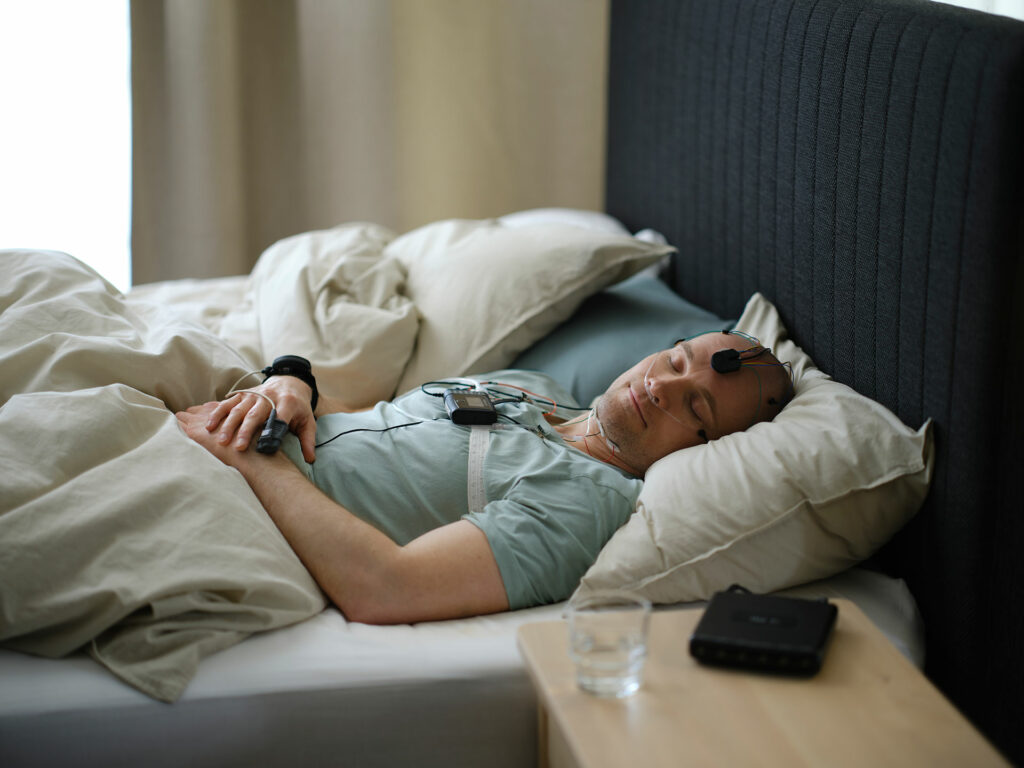
sleep study

Why Invest in a Sleep Study?

Investing in a sleep study can have numerous benefits. Firstly, it allows you to understand the root cause of your sleep issues and receive an accurate diagnosis. Armed with this knowledge, you can work with your healthcare team to develop an effective treatment plan.

Secondly, untreated sleep disorders can have serious consequences for your health. Sleep apnea, for example, is often associated with an increased risk of high blood pressure, heart disease, and stroke. By investing in a sleep study and subsequent treatment, you can mitigate these risks and safeguard your long-term health.

Furthermore, sleep studies not only provide insights into sleep disorders but also shed light on the overall quality of your sleep. For instance, they can reveal if you are experiencing frequent interruptions or disturbances during the night, which may be impacting your sleep efficiency. By understanding these patterns, you can make necessary adjustments to your sleep environment or routines to optimize your sleep.

Additionally, sleep studies can uncover underlying medical conditions that may be contributing to your sleep issues. For example, certain respiratory disorders like chronic obstructive pulmonary disease (COPD) or congestive heart failure can disrupt sleep patterns. By identifying these conditions through a sleep study, healthcare professionals can provide appropriate treatment and management strategies to address both the sleep disorder and the underlying medical condition.

Lastly, sleep studies can also be beneficial for monitoring the effectiveness of treatment interventions. By conducting follow-up sleep studies after implementing a treatment plan, healthcare professionals can assess if the interventions are effectively improving your sleep quality and addressing the underlying sleep disorder. This allows for adjustments to be made if necessary, ensuring that you receive the most optimal care.

Breaking Down the Cost of Sleep Studies in Adelaide

Before undergoing a sleep study, it’s important to have a clear understanding of the associated costs. Sleep study expenses can vary depending on a range of factors, including the type of study, the level of insurance coverage, and the specific clinic or facility where the study is conducted.

But let’s dive deeper into the world of sleep studies and explore some additional factors that can impact the cost.

Initial Consultation Fees

Most sleep clinics require an initial consultation before scheduling a sleep study. During this consultation, a sleep specialist will assess your medical history, discuss your symptoms, and determine if a sleep study is necessary. The cost of this consultation can range from $100 to $300, depending on the healthcare provider.

It’s important to note that some clinics may offer bulk-billing options or have different fee structures for patients with private health insurance. So, it’s always worth checking with the clinic to see if there are any potential cost-saving options available.

Overnight Sleep Study Expenses

The most common type of sleep study is an overnight polysomnography (PSG). This study involves spending a night at a sleep clinic where your sleep patterns, brain activity, heart rate, and other vital signs will be monitored. The cost of an overnight sleep study in Adelaide typically ranges from $1,000 to $2,000, depending on the clinic and the level of monitoring required. Find more about polysomnography click here.

But what exactly does this monitoring entail? Well, it’s a comprehensive process that involves the placement of electrodes on your scalp, face, chest, and legs to measure brain waves, eye movements, muscle activity, and heart rhythm. These electrodes are connected to a monitoring device that records and analyzes your sleep data throughout the night.

Follow-Up and Treatment Costs

After completing a sleep study, you will likely have a follow-up appointment with your sleep specialist to discuss the results and develop a treatment plan. The cost of these follow-up appointments can vary, but most range from $100 to $300 per visit.

During these appointments, your sleep specialist will go over the findings from your sleep study, explain the implications of the results, and recommend appropriate treatment options. These treatments may include lifestyle changes, medication, or the use of devices such as Continuous Positive Airway Pressure (CPAP) machines for sleep apnea.

Speaking of CPAP machines, they can be a significant contributor to the overall cost of managing sleep disorders. The price of a CPAP machine can range from $500 to $2,000, depending on the brand, features, and accessories included. Additionally, there may be ongoing costs for replacement parts, filters, and regular maintenance.

So, when considering the cost of sleep studies in Adelaide, it’s essential to factor in these follow-up and treatment expenses, as they can play a significant role in the overall financial commitment.
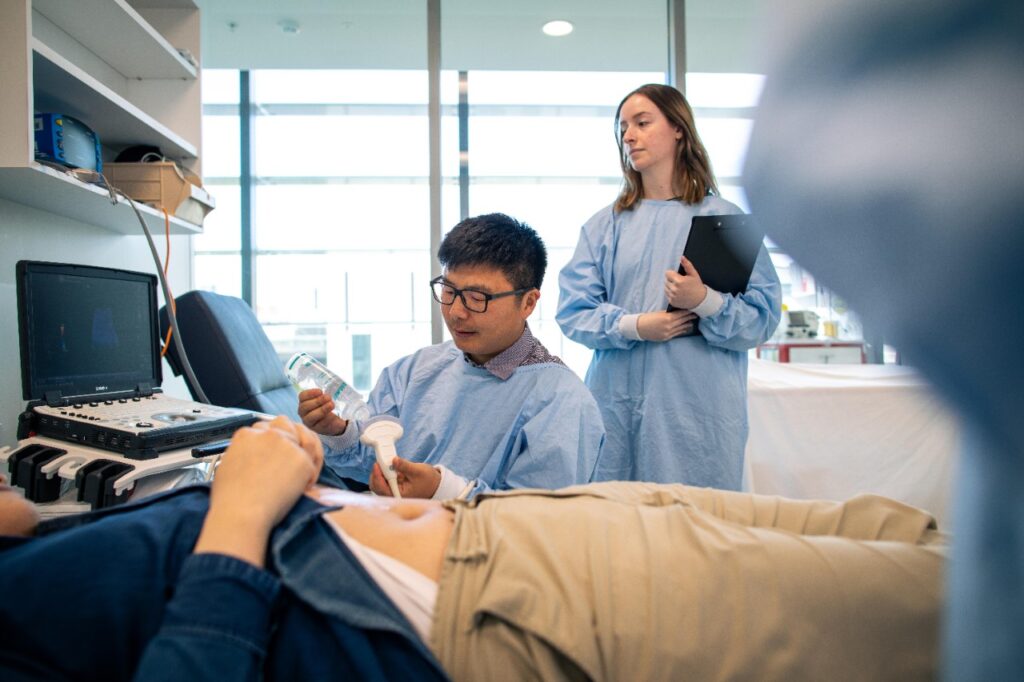
sleep study project

Factors Influencing the Cost of Sleep Studies

Several factors can influence the cost of sleep studies in Adelaide. Understanding these factors can help you better assess the expenses involved and plan accordingly.

When considering the cost of sleep studies, it’s important to delve deeper into the intricacies that can impact the overall pricing. Beyond the basic factors, there are additional elements that can contribute to the final cost, ensuring a comprehensive understanding of the financial aspects involved.

Type of Sleep Study

There are different types of sleep studies available, ranging from basic overnight monitoring to more comprehensive studies that measure brain activity, eye movements, and heart rate variability. The complexity and duration of the study can impact its cost. Learn more about type of sleep study visit at https://www.ohsu.edu/brain-institute/sleep-disorders-tests-and-treatments.

Moreover, the type of sleep study required for an individual can be tailored to their specific needs and medical history. Factors such as the presence of underlying health conditions or the necessity for specialized monitoring can further influence the type of study recommended by healthcare professionals.

Insurance Coverage and Out-of-Pocket Expenses

Your level of insurance coverage will play a significant role in determining the out-of-pocket expenses you incur. Some health insurance plans cover sleep studies partially or in full, while others may require you to meet a deductible or pay a percentage of the cost. It’s essential to check with your insurance provider to understand your coverage and potential financial responsibilities.

Additionally, understanding the nuances of insurance policies, such as pre-authorization requirements or in-network provider specifications, can help streamline the process and minimize unexpected costs associated with sleep studies. Being proactive in communication with both your healthcare provider and insurance company can facilitate a smoother financial experience.

The Impact of Facility and Equipment Costs

The overall cost of a sleep study can be influenced by the facility or clinic where it is conducted. High-end facilities with state-of-the-art equipment and amenities may have higher fees. However, it’s important to note that the cost of the study should not be the sole determining factor in choosing a facility. The expertise and reputation of the healthcare professionals involved should also be taken into consideration.

Furthermore, the location of the facility and its accessibility can also play a role in the overall cost of a sleep study. Facilities situated in prime locations or offering specialized services may have higher associated costs, reflecting the convenience and additional services provided to patients. Understanding the balance between cost and quality of care is essential in making informed decisions regarding where to undergo a sleep study.

Comparing Sleep Study Costs Across South Australia

The cost of sleep studies can vary not only within Adelaide but also across different cities in South Australia. Factors such as the cost of living, competition among healthcare providers, and demand for sleep study services can contribute to these variations. Learn more about Sleep Study Mackay: Analysing Sleep Patterns in Queensland click here https://eyeshinning.com/sleep-study-mackay-analysing-sleep-patterns-in-queensland/

Price Variations in Different Cities

It’s not uncommon to find price variations for sleep studies between different cities in South Australia. For example, sleep studies in Adelaide may have higher costs compared to regional areas. This discrepancy is likely influenced by factors such as overhead expenses and the availability of sleep clinics in each location.

Public vs. Private Healthcare Costs

Access to public healthcare services can have a significant impact on sleep study costs. In some cases, public hospitals may offer sleep studies at a subsidized or lower cost compared to private clinics. However, there may be longer wait times to access these services, and not all individuals may qualify for public healthcare coverage.

Ways to Manage Sleep Study Costs

While sleep study costs can add up, there are several strategies you can employ to manage these expenses and ensure you receive the necessary care without breaking the bank.

Health Insurance and Medicare Rebates

Review your health insurance policy to determine if sleep studies are covered and to what extent. If you have sleep-related symptoms, it may be beneficial to explore insurance plans that provide coverage for sleep studies. Additionally, individuals who meet certain eligibility criteria may be eligible for Medicare rebates, which can help offset some of the costs.

Payment Plans and Financing Options

If paying for a sleep study upfront is not feasible, consider speaking with the sleep clinic about payment plans or financing options. Many clinics offer flexible payment arrangements, allowing you to spread out the cost over a period of time. This can make sleep studies more affordable and accessible.

Cost-Effective Alternatives to Traditional Sleep Studies

Lastly, if traditional sleep studies are outside your budget, there are cost-effective alternatives worth exploring. Portable sleep monitoring devices, for example, can provide valuable insights into sleep quality at a fraction of the cost. However, it’s important to discuss these alternatives with your healthcare provider to ensure they are appropriate for your specific situation.

Sleep studies are an essential tool in diagnosing and treating sleep disorders. While the cost of these studies can be a concern, it’s important not to forgo necessary care due to financial constraints. By exploring your options, understanding the factors influencing costs, and seeking financial assistance when needed, you can prioritize your sleep health and invest in a better quality of life.
Air Liquid
Sleep Apnea

Scaling Semiconductor Supply Chains: Ultra-High Purity Gases

Scaling the Semiconductor Supply Chain: The Role of Ultra-High Purity Gases The global hunger for computational power, driven largely by the exponential growth of Artificial Intelligence (AI) and 5G telecommunications, has placed the semiconductor industry under a microscope. To meet this demand, manufacturers are not just building more “fabs” (fabrication plants); they are re-engineering the foundational chemistry of chip production. Central to this effort is scaling the semiconductor supply chain: the role of ultra-high purity gases cannot be overstated. In the precision-driven world of nanometre-scale circuitry, even a single rogue molecule of oxygen or moisture can ruin a silicon wafer. As Australia seeks to bolster its niche position in the global tech ecosystem and major hubs in Asia and the U.S. expand, the reliability and purity of electronic specialty gases have become the primary benchmarks for chip production efficiency. See more: How an Oxygen Compressor Can Improve Your Home Oxygen Therapy Experience What are Ultra-High Purity (UHP) Gases in Semiconductors? Ultra-high purity (UHP) gases are the lifeblood of a semiconductor fab. Unlike industrial-grade gases, UHP gases are refined to levels where impurities are measured in parts per billion (ppb) or even parts per trillion (ppt). In the context of semiconductor manufacturing gases, these substances are used in almost every stage of the photolithography, etching, and doping processes. Without them, the atomic-level precision required for modern 3nm and 5nm chips would be physically impossible to achieve. Categories of Essential Gases The Critical Role of Gases in Chip Production Efficiency Efficiency in a semiconductor fab is measured by “yield”—the percentage of functional chips on a single wafer. Chip production efficiency is directly tethered to the consistency of the gas supply. 1. Maintaining Atmosphere Integrity During deposition, carrier gases like Nitrogen ($N_2$) and Argon ($Ar$) create an ultra-clean “blanket.” This prevents oxidation, which is the leading cause of “killer defects” in wafer fabrication. 2. Precision Etching and Deposition Specialty gases like Nitrogen Trifluoride ($NF_3$) and Tungsten Hexafluoride ($WF_6$) allow for the creation of 3D structures on a chip. As transistors shrink, the margin for error in gas concentration vanishes. Any fluctuation in purity results in immediate downtime and millions of dollars in lost revenue. 3. Thermal Management Helium ($He$) is frequently used for its high thermal conductivity to cool wafers quickly during high-heat processes, ensuring the structural integrity of the delicate silicon lattice. Scaling Challenges: Meeting Global AI Demand The “AI Gold Rush” has shifted the requirements for the semiconductor supply chain. High-performance computing (HPC) chips require more layers and more complex architectures, leading to a surge in gas consumption per wafer. Supply Chain Stability Statistics According to recent industry reports, the global electronic gases market is projected to reach over $12 billion by 2028. Major regional hubs are responding with massive infrastructure investments: Gas Type Primary Use Required Purity Level Nitrogen ($N_2$) Purging & Inerting 99.9999% (6N) Argon ($Ar$) Plasma Etching 99.9999% (6N) Silane ($SiH_4$) Silicon Deposition 99.999% (5N) Nitrogen Trifluoride ($NF_3$) Chamber Cleaning 99.99% Regional Hubs and Logistics: From Asia to Australia The logistics of scaling the semiconductor supply chain involves more than just chemistry; it requires a sophisticated distribution network. The Asian Powerhouse Asia remains the heartbeat of semiconductor gas consumption. Locations like Hsinchu (Taiwan) and Pyeongtaek (South Korea) require “over-the-fence” gas plants. These are dedicated air separation units (ASUs) built directly adjacent to the fab to ensure a continuous, pipe-fed supply of UHP Nitrogen and Oxygen. The Australian Connection While Australia is not currently a mass-producer of leading-edge logic chips, it plays a vital role in the semiconductor manufacturing gases ecosystem. Australia is a significant producer of rare gases and the raw materials required for specialty gas synthesis. As the world looks to “friend-shore” supply chains, Australia’s stable regulatory environment makes it an ideal partner for the purification and export of these critical molecules. Best Practices for Scaling Gas Infrastructure For firms looking to optimize their supply chain, several best practices emerge: Common Mistakes in Gas Supply Management FAQ: Semiconductor Gases and Supply Chain What is the most used gas in semiconductor manufacturing? Nitrogen ($N_2$) is the most used gas by volume. It is used for purging equipment, wafer transport, and creating inert environments to prevent contamination. Why is Nitrogen Trifluoride ($NF_3$) important? $NF_3$ is a critical cleaning gas. It removes residue from the insides of chemical vapor deposition (CVD) chambers without damaging the equipment, which is vital for maintaining high uptime. How does gas purity affect AI chip production? AI chips require incredibly high transistor density. Any impurity in the gas can cause a “short” in the circuit, rendering the expensive high-end chip useless. Can Australia become a leader in semiconductor gases? Yes. Australia’s strength lies in its mineral wealth and burgeoning high-tech manufacturing sector, providing the raw materials and refined specialty gases needed for global supply chain resilience. What is an “Electronic Specialty Gas” (ESG)? ESGs are a group of high-performance gases used in specific semiconductor processes like etching, doping, and thin-film deposition, often requiring extreme handling precautions due to their reactive nature. Conclusion: The Future of High-Purity Infrastructure As we move further into the decade of AI, the infrastructure behind the scenes will determine the winners of the digital age. Scaling the semiconductor supply chain: the role of ultra-high purity gases is the unsung hero of this technological evolution. By focusing on chip production efficiency and the precise application of electronic specialty gases, manufacturers can ensure they meet the global demand for faster, smaller, and more efficient processors. For stakeholders in Australia and abroad, the path forward involves investing in purification technology and localized supply loops to insulate the industry from global shocks. Internal Linking Suggestions: Authoritative External References:

Read More
cpap mask
CPAP Masks

Best CPAP Mask Guide 2026: Types, Fitting & Australian Tips

Finding the right CPAP mask is often the single most important factor in determining whether sleep apnea therapy succeeds or fails. For many Australians, the initial transition to Continuous Positive Airway Pressure (CPAP) can feel overwhelming. However, modern engineering has transformed these devices from bulky medical gear into streamlined, comfortable, and whisper-quiet interfaces. Whether you are a restless sleeper, a mouth breather, or someone who feels claustrophobic, there is a specific mask design tailored to your facial anatomy and breathing habits. This guide provides an in-depth look at selecting the perfect interface to ensure high compliance and restorative sleep. What is a CPAP Mask and Why Does Choice Matter? A CPAP mask is the physical interface between your sleep apnea machine and your airway. It delivers a pressurized stream of filtered air that acts as a “splint,” keeping your upper airway open and preventing the collapses associated with Obstructive Sleep Apnea (OSA). In the Australian market, the variety of masks available has expanded significantly. Choosing the wrong style doesn’t just cause discomfort; it leads to air leaks, skin irritation, and “therapy non-compliance,” where the patient eventually stops using the machine altogether. A well-fitted mask ensures the pressure delivered matches the pressure prescribed by your sleep specialist. The Three Primary Types of CPAP Masks To achieve “topical authority” in your sleep health journey, you must understand the three core categories of masks. Each serves a specific physiological need. 1. Full Face Masks These masks cover both the nose and the mouth. They are the gold standard for patients who breathe through their mouths or those who have frequent nasal congestion. 2. Nasal Masks A nasal mask fits over the nose only, ranging from the bridge to the upper lip. It offers a more natural feeling than a full-face version. 3. Nasal Pillow Masks These are the most minimalist options. They use small silicone inserts that rest at the entrance of the nostrils. How to Choose the Right Interface: A Step-by-Step Framework Selecting a CPAP mask in Australia requires a logical approach based on your sleeping style and anatomy. Step 1: Identify Your Breathing Pattern Do you wake up with a dry mouth? If so, you are likely a mouth breather. A full-face mask is usually necessary here to prevent the pressurized air from escaping through your mouth, which renders the therapy ineffective. Step 2: Consider Your Sleeping Position Step 3: Facial Features and Obstructions If you have a beard, a nasal pillow mask often provides a better seal than a mask that must sit flush against the skin of the chin or cheeks. Similarly, if you wear glasses, look for “under-the-nose” designs that eliminate the forehead support bar. Benefits of a High-Quality Mask Fit Benefit Impact on Therapy Reduced Air Leaks Ensures the machine maintains the correct therapeutic pressure. Skin Integrity Prevents “mask burn,” sores, and pressure marks on the bridge of the nose. Quiet Operation Modern masks feature diffused venting to keep the air stream quiet for your partner. Higher Compliance You are more likely to wear the mask all night if it feels “barely there.” Best Practices for CPAP Mask Maintenance To maintain a hygienic seal and prolong the life of your equipment, follow these industry-standard practices: Common Mistakes and How to Avoid Them Overtightening the Straps Many users believe that if a mask is leaking, they should pull the straps tighter. This often creates more leaks because the silicone cushion needs air to “inflate” and create a seal. If you have to overtighten, the mask is likely the wrong size or style. Ignoring Small Leaks A small hiss of air into the eyes can cause chronic dryness and irritation. If you feel air escaping near the bridge of your nose, readjust the headgear or consider a mask with a different cushion shape. Using the Wrong Size Australia’s leading CPAP providers offer sizing gauges. A mask that is too large will shift during the night, while one that is too small will pinch the nostrils or cause sores. Advanced Tips for Australian Users In the Australian climate, humidity plays a massive role in mask comfort. During humid Queensland summers or dry Victorian winters, your mask’s performance might change. Internal Linking Suggestions Recommended External References Frequently Asked Questions (FAQ) How often should I replace my CPAP mask? In Australia, it is generally recommended to replace the entire mask every 6 to 12 months, though the silicone cushions may need replacing every 3 months to maintain an airtight seal. Can I use a nasal mask if I have a cold? It is difficult to use a nasal or pillow mask with a blocked nose. Many users keep a backup full-face mask for use during allergy seasons or when they have a cold. Why does my mask whistle at night? Whistling is usually a sign of a small leak or a blocked exhalation port. Clean the tiny vent holes with a soft brush and ensure the cushion is properly seated on the mask frame. Are all CPAP masks compatible with all machines? Yes, almost all masks use a standard 22mm connector, meaning you can use a ResMed mask with a Fisher & Paykel machine, and vice-versa. The only exceptions are specific “travel” machines that require proprietary connectors. How do I stop the mask from leaving marks on my face? Ensure you aren’t overtightening. You can also use soft fleece strap covers or mask liners to create a barrier between the silicone and your skin. Conclusion Finding the right cpap mask is a journey of trial and adjustment. By understanding your breathing style—whether you are a mouth breather or a side sleeper—and prioritizing a mask that fits your unique facial structure, you can transform your sleep apnea treatment from a chore into a life-changing habit. High-quality sleep is the foundation of health, and the right interface is the key to unlocking it. If you are struggling with your current setup, don’t give up on therapy; instead, consult with a sleep professional to

Read More
cpap mask
CPAP Masks

How CPAP Machines Improve Sleep Quality and Prevent Sleep Apnea Complications

Sleep is essential for overall health, yet millions of adults struggle with sleep apnea—a common sleep disorder that disrupts breathing during rest. Continuous Positive Airway Pressure (CPAP) machines have become the gold standard for managing sleep apnea. Not only do they improve sleep quality, but they also prevent serious complications that can affect your heart, energy levels, and long-term health. In this article, we explore how CPAP therapy works, its benefits, and practical tips to maximize its effectiveness. Understanding Sleep Apnea Sleep apnea is a condition where the airway becomes partially or completely blocked during sleep, causing breathing interruptions. These pauses, known as apneas, reduce oxygen flow to the body and strain vital organs, including the heart. Common Symptoms of Sleep Apnea: Untreated sleep apnea is linked to high blood pressure, cardiovascular disease, diabetes, and an increased risk of accidents due to daytime drowsiness. This is why early detection through a sleep study and treatment is critical. How CPAP Machines Work A CPAP machine delivers a steady stream of pressurized air through a mask, keeping the airway open throughout the night. This simple mechanism prevents apneas, allowing for continuous oxygen flow and uninterrupted sleep cycles. Real-World Example: John, a 52-year-old man with moderate sleep apnea, used to wake up multiple times at night gasping for air. After starting CPAP therapy, his nighttime awakenings stopped, he felt more energetic during the day, and his blood pressure improved. Benefits of CPAP Therapy 1. Improves Sleep Quality By maintaining an open airway, CPAP machines allow you to reach deep, restorative sleep stages. Patients often report: 2. Reduces Risk of Cardiovascular Complications Sleep apnea increases strain on the heart due to repeated oxygen drops. CPAP therapy: 3. Enhances Overall Sleep Health Consistent CPAP use improves sleep health and contributes to better mood, energy, and long-term wellness. Getting Started with CPAP Therapy Starting CPAP therapy can feel challenging, but with the right approach, it becomes part of a healthy sleep routine. Tips for New Users: Lifestyle Changes That Complement CPAP Therapy While CPAP is highly effective, certain lifestyle changes can further improve sleep apnea symptoms: Combining CPAP therapy with these adjustments ensures maximum improvement in sleep quality and overall health. The Role of Sleep Studies A sleep study is essential to diagnose sleep apnea and determine the right CPAP settings. During the study, specialists monitor oxygen levels, heart rate, breathing patterns, and sleep cycles. Results guide personalized therapy, ensuring effective treatment. Conclusion CPAP machines are more than just a sleep aid—they are a critical tool in preventing the serious complications of sleep apnea. By improving oxygen flow, restoring uninterrupted sleep, and reducing strain on the heart, CPAP therapy enhances both sleep quality and overall health. Coupled with lifestyle changes and regular medical guidance, CPAP ensures long-term protection against the dangers of untreated sleep apnea. If you suspect you have sleep apnea or struggle with poor sleep, consult a sleep specialist. Early intervention through a sleep study and CPAP therapy can make a lasting difference in your health and quality of life. FAQS

Read More
RSS
Follow by Email