The Causes of Obstructive Sleep Apnea and the Use of CPAP Masks

The Causes of Obstructive Sleep Apnea and the Use of CPAP Masks

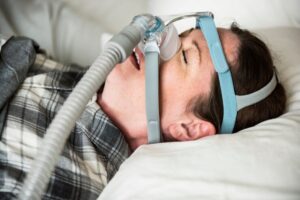
Sleep apnea is a sleeping disorder that creates a breathing fluctuation while sleeping. CPAP masks are machines that help CPAP users to sleep comfortably. Several kinds of sleep apnea masks have assisted people in having a night of quality sleep. CPAP mask categories have different components that can rectify the OSA.

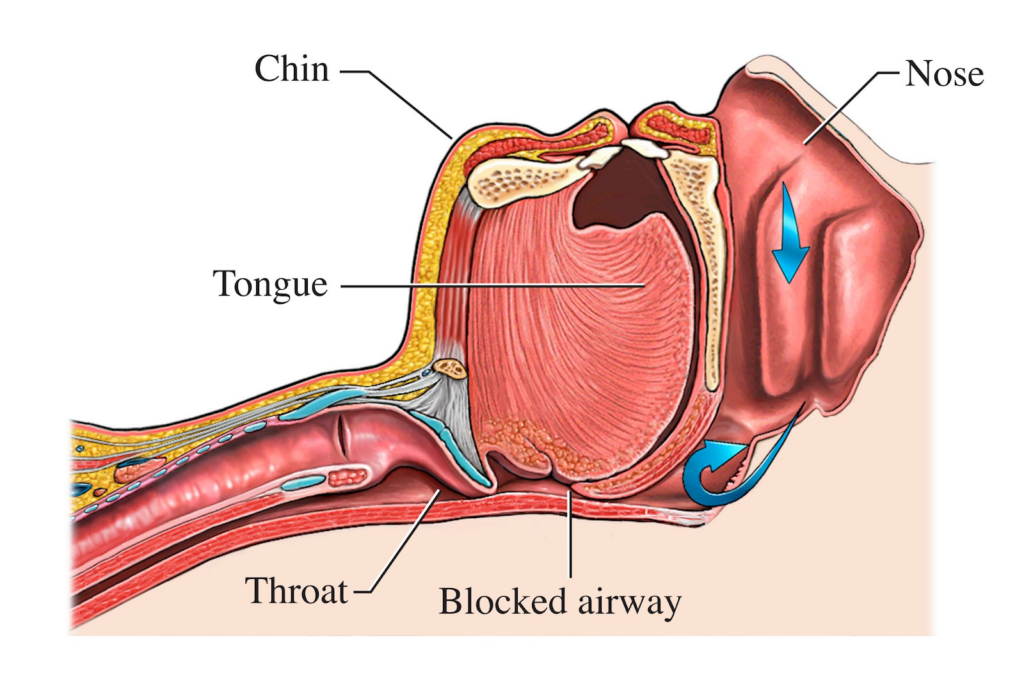
The best CPAP mask has been an outstanding solution to any OSA out of other solutions. However, some people who snore heavily are not enjoying sleep such needs therapy and treatment. Some of the symptoms of sleep apnea are sleeping during the daytime and snoring. You can’t have quality time sleeping when you experience a disruption in breathing. This sleep apnea experience can cause colossal health damage when it is not given attention and quality treatment.
CPAP Masks

You must visit any sleep therapist or specialist to diagnose the kind of OSA you have and know the treatment approach to adopt. In this article, you will be opened to the causes of OSA, the mask types, and the best CPAP mask that will give you the comfort you desire and also need to see CPAP therapy.

Causes of Obstructive Sleep Apnea
Causes of Obstructive Sleep Apnea

So many factors are responsible for a sleep disorder; in this section, we’ll consider some factors and how to tackle them with a CPAP mask.

Gender

Most of the time, men are more likely to have OSA. Gender also affects who can easily have sleep issues due to some sex hormones. Though women also have OS only after menopause

Diabetes

People with diabetes can easily have OSA. Diabetes can also affect the rate of how breathing which can cause sleeplessness 

Smoking
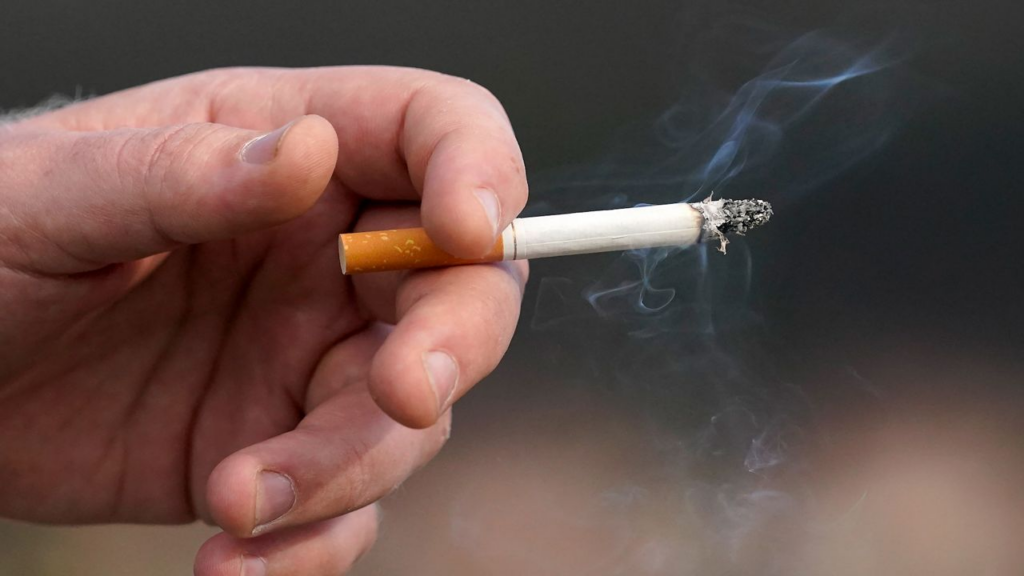
Smoking

Smoking is so detrimental to health that it can also cause OSA. Smoking can also affect the throat; when the throat is concerned, the airway may not be open, which can affect

Nasal congestion

Nasal congestion creates a narrow airway due to consistent congestion in the nostrils. It will affect breathing capacity and can even result in headaches, body pain, and sleeplessness.

Obesity

Though not all who are overweight have a sleep disorder, most of them experience sleeping disorders because too much fat in the body can block air passage. Also, there are conditions such as Obesity which is polycystic, and hypothyroidism can cause sleep disorders.

Age

Some ages are very close to having OSA because of some hormones in the body, but at the 60s upward, the chances of having sleep disorder decrease.

Glaucoma
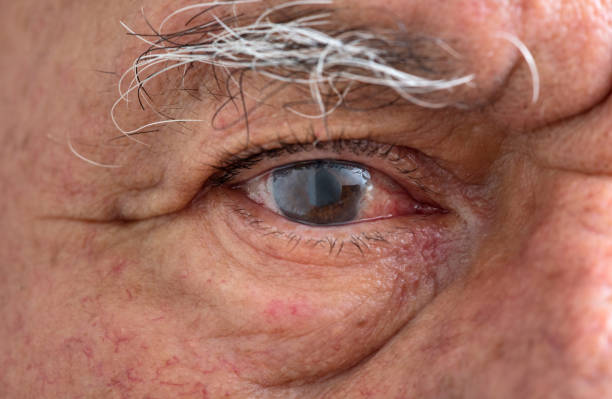
Glaucoma

This eye problem also can cause sleep disorders due to the connection of the eyes to the head. There are many complications, but CPAP masks can solve this problem.   

Hormone disorder
Hormone disorder

Some hormone conditions can also cause or increase the chances of having OSA.  Some of the growth tissue can as well block the airway, which can later develop into a sleep disorder

Sleeping position

Some sleeping positions are very risky to the health, especially the back sleeper; such sleeping style may affect the airway and eventually affect d breathing.  These factors and many more are potential agents that can cause OSA. Meanwhile, all the elements can be treated and avoided with the help of CPAP therapy and a sleep specialist. Finally, I will briefly discuss CPAP masks and other accessories and how they can be administered to anyone with a sleep disorder.

CPAP Masks and their Uses.

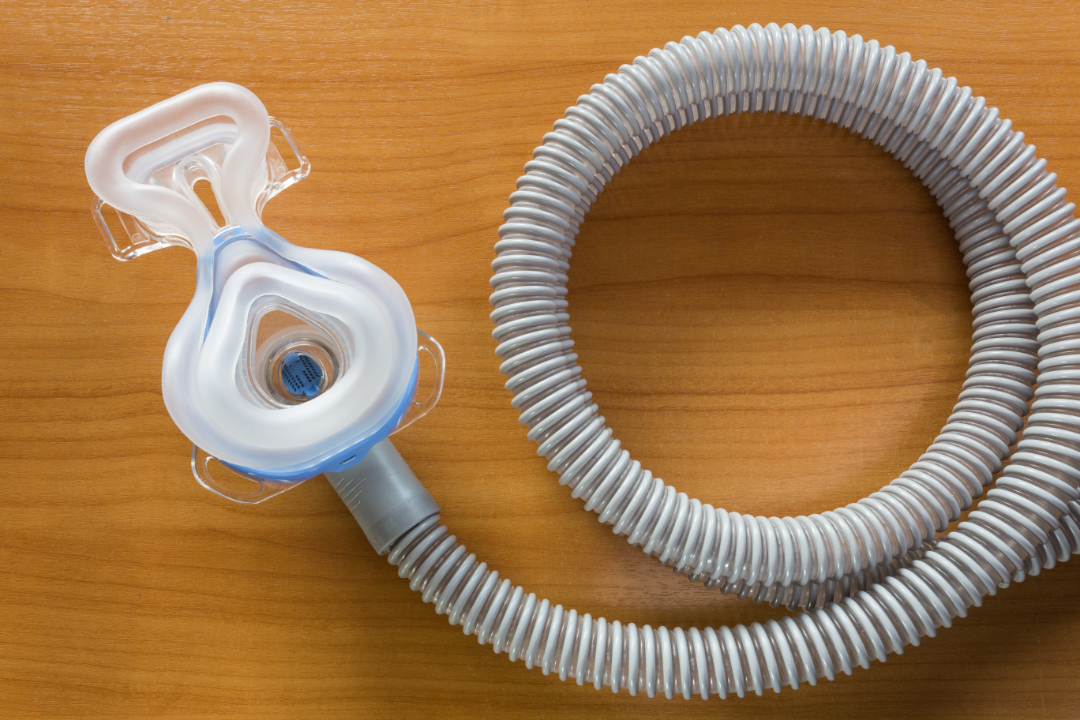
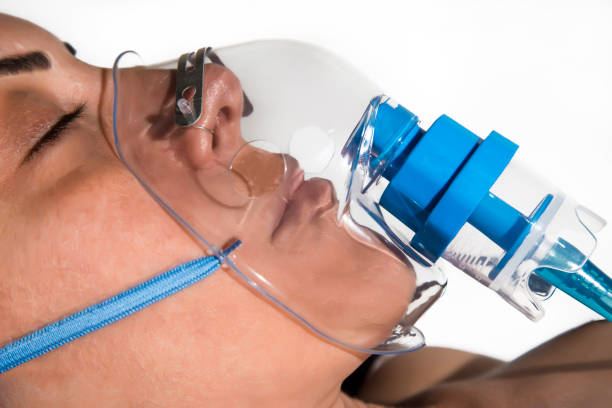
This CPAP mask is a carrier for air pressure to the airway to assist the person with sleep Apnea to breathe comfortably while sleeping on the bed. There are different sizes and styles of CPAP masks, and the materials used in making the masks are also different. Out of the CPAP masks outside, only three are shared, widely accepted, and recommended by the sleep therapist.

They are

  1. Nasal pillow masks
  2. Full face masks
  3. Nasal masks

These CPAP masks are differently molded and work differently but have the same result.CPAP machines are the most recommended and effective treatment for sleep disorders. In addition, some other important CPAP mask components are essential to treating obstructed sleep.

  • Nasal pillows
  • Nasal cradle cushion
  • Silicone cushion
  • Chin strap
  • Adaptive frame
  • Mask fits
  • Glasses
  • Face mask
  • Headgear

All these are very important, and they give comfort to anyone who is battling with OSA. However, using a CPAP mask depends on how your therapist explains it. Applying the CPAP mask is straightforward but must be according to the explanation of your therapy.

There are steps to follow when using the CPAP mask. First, whichever of the masks you prescribe, you must ask your therapist how to install and use it. Next, let’s discuss some of the methods for using CPAP masks.

First and foremost, you must find an excellent place to keep your CPAP machines. When your machine is safe, every other component, like the hose and the mask, will function well. The device must be closer to your bed for easy plugging at night.

The filter is also necessary to always check and follow the instruction given to you by your sleep therapist. The filter can be changed anytime, but there is a method of removing and fixing it. Connecting the hose to the CPAP is easy as long as you can read the manual that comes with the CPAP machine, and more so, you can adhere to how your doctor informed you.

In addition, the connectivity between the hose to the mask is also easy.  The hose is connected to the CPAP mask, leaving no space for air to escape. Your sleep doctor determines the mask you will be putting on—based on your breathing, your sleeping position, and your type of OSA.

Some face masks cover the entire face, some only cover the nose, while others cover the nose and mouth. Wearing the mask is accessible as much as you have the right face mask. You will also need straps to help tighten the mask around your head, which must comfortably fit in. The fixing of the strap must not be painful to breathe comfortably.

Conclusion

Many things are potential agents that cause obstructive sleeping. But the OS can be corrected with sleep therapy, CPAP masks, and other components. When this sickness is not treated right, it damages health. So with the knowledge of what causes sleep apnea, one must see their doctor to know what to do. Do not only focus on the problem alone but look for the solution and enjoy your sleep.

Also read:

cpap mask
CPAP Masks

Best CPAP Mask Guide 2026: Types, Fitting & Australian Tips

Finding the right CPAP mask is often the single most important factor in determining whether sleep apnea therapy succeeds or fails. For many Australians, the initial transition to Continuous Positive Airway Pressure (CPAP) can feel overwhelming. However, modern engineering has transformed these devices from bulky medical gear into streamlined, comfortable, and whisper-quiet interfaces. Whether you are a restless sleeper, a mouth breather, or someone who feels claustrophobic, there is a specific mask design tailored to your facial anatomy and breathing habits. This guide provides an in-depth look at selecting the perfect interface to ensure high compliance and restorative sleep. What is a CPAP Mask and Why Does Choice Matter? A CPAP mask is the physical interface between your sleep apnea machine and your airway. It delivers a pressurized stream of filtered air that acts as a “splint,” keeping your upper airway open and preventing the collapses associated with Obstructive Sleep Apnea (OSA). In the Australian market, the variety of masks available has expanded significantly. Choosing the wrong style doesn’t just cause discomfort; it leads to air leaks, skin irritation, and “therapy non-compliance,” where the patient eventually stops using the machine altogether. A well-fitted mask ensures the pressure delivered matches the pressure prescribed by your sleep specialist. The Three Primary Types of CPAP Masks To achieve “topical authority” in your sleep health journey, you must understand the three core categories of masks. Each serves a specific physiological need. 1. Full Face Masks These masks cover both the nose and the mouth. They are the gold standard for patients who breathe through their mouths or those who have frequent nasal congestion. 2. Nasal Masks A nasal mask fits over the nose only, ranging from the bridge to the upper lip. It offers a more natural feeling than a full-face version. 3. Nasal Pillow Masks These are the most minimalist options. They use small silicone inserts that rest at the entrance of the nostrils. How to Choose the Right Interface: A Step-by-Step Framework Selecting a CPAP mask in Australia requires a logical approach based on your sleeping style and anatomy. Step 1: Identify Your Breathing Pattern Do you wake up with a dry mouth? If so, you are likely a mouth breather. A full-face mask is usually necessary here to prevent the pressurized air from escaping through your mouth, which renders the therapy ineffective. Step 2: Consider Your Sleeping Position Step 3: Facial Features and Obstructions If you have a beard, a nasal pillow mask often provides a better seal than a mask that must sit flush against the skin of the chin or cheeks. Similarly, if you wear glasses, look for “under-the-nose” designs that eliminate the forehead support bar. Benefits of a High-Quality Mask Fit Benefit Impact on Therapy Reduced Air Leaks Ensures the machine maintains the correct therapeutic pressure. Skin Integrity Prevents “mask burn,” sores, and pressure marks on the bridge of the nose. Quiet Operation Modern masks feature diffused venting to keep the air stream quiet for your partner. Higher Compliance You are more likely to wear the mask all night if it feels “barely there.” Best Practices for CPAP Mask Maintenance To maintain a hygienic seal and prolong the life of your equipment, follow these industry-standard practices: Common Mistakes and How to Avoid Them Overtightening the Straps Many users believe that if a mask is leaking, they should pull the straps tighter. This often creates more leaks because the silicone cushion needs air to “inflate” and create a seal. If you have to overtighten, the mask is likely the wrong size or style. Ignoring Small Leaks A small hiss of air into the eyes can cause chronic dryness and irritation. If you feel air escaping near the bridge of your nose, readjust the headgear or consider a mask with a different cushion shape. Using the Wrong Size Australia’s leading CPAP providers offer sizing gauges. A mask that is too large will shift during the night, while one that is too small will pinch the nostrils or cause sores. Advanced Tips for Australian Users In the Australian climate, humidity plays a massive role in mask comfort. During humid Queensland summers or dry Victorian winters, your mask’s performance might change. Internal Linking Suggestions Recommended External References Frequently Asked Questions (FAQ) How often should I replace my CPAP mask? In Australia, it is generally recommended to replace the entire mask every 6 to 12 months, though the silicone cushions may need replacing every 3 months to maintain an airtight seal. Can I use a nasal mask if I have a cold? It is difficult to use a nasal or pillow mask with a blocked nose. Many users keep a backup full-face mask for use during allergy seasons or when they have a cold. Why does my mask whistle at night? Whistling is usually a sign of a small leak or a blocked exhalation port. Clean the tiny vent holes with a soft brush and ensure the cushion is properly seated on the mask frame. Are all CPAP masks compatible with all machines? Yes, almost all masks use a standard 22mm connector, meaning you can use a ResMed mask with a Fisher & Paykel machine, and vice-versa. The only exceptions are specific “travel” machines that require proprietary connectors. How do I stop the mask from leaving marks on my face? Ensure you aren’t overtightening. You can also use soft fleece strap covers or mask liners to create a barrier between the silicone and your skin. Conclusion Finding the right cpap mask is a journey of trial and adjustment. By understanding your breathing style—whether you are a mouth breather or a side sleeper—and prioritizing a mask that fits your unique facial structure, you can transform your sleep apnea treatment from a chore into a life-changing habit. High-quality sleep is the foundation of health, and the right interface is the key to unlocking it. If you are struggling with your current setup, don’t give up on therapy; instead, consult with a sleep professional to

Read More
cpap mask
CPAP Masks

How CPAP Machines Improve Sleep Quality and Prevent Sleep Apnea Complications

Sleep is essential for overall health, yet millions of adults struggle with sleep apnea—a common sleep disorder that disrupts breathing during rest. Continuous Positive Airway Pressure (CPAP) machines have become the gold standard for managing sleep apnea. Not only do they improve sleep quality, but they also prevent serious complications that can affect your heart, energy levels, and long-term health. In this article, we explore how CPAP therapy works, its benefits, and practical tips to maximize its effectiveness. Understanding Sleep Apnea Sleep apnea is a condition where the airway becomes partially or completely blocked during sleep, causing breathing interruptions. These pauses, known as apneas, reduce oxygen flow to the body and strain vital organs, including the heart. Common Symptoms of Sleep Apnea: Untreated sleep apnea is linked to high blood pressure, cardiovascular disease, diabetes, and an increased risk of accidents due to daytime drowsiness. This is why early detection through a sleep study and treatment is critical. How CPAP Machines Work A CPAP machine delivers a steady stream of pressurized air through a mask, keeping the airway open throughout the night. This simple mechanism prevents apneas, allowing for continuous oxygen flow and uninterrupted sleep cycles. Real-World Example: John, a 52-year-old man with moderate sleep apnea, used to wake up multiple times at night gasping for air. After starting CPAP therapy, his nighttime awakenings stopped, he felt more energetic during the day, and his blood pressure improved. Benefits of CPAP Therapy 1. Improves Sleep Quality By maintaining an open airway, CPAP machines allow you to reach deep, restorative sleep stages. Patients often report: 2. Reduces Risk of Cardiovascular Complications Sleep apnea increases strain on the heart due to repeated oxygen drops. CPAP therapy: 3. Enhances Overall Sleep Health Consistent CPAP use improves sleep health and contributes to better mood, energy, and long-term wellness. Getting Started with CPAP Therapy Starting CPAP therapy can feel challenging, but with the right approach, it becomes part of a healthy sleep routine. Tips for New Users: Lifestyle Changes That Complement CPAP Therapy While CPAP is highly effective, certain lifestyle changes can further improve sleep apnea symptoms: Combining CPAP therapy with these adjustments ensures maximum improvement in sleep quality and overall health. The Role of Sleep Studies A sleep study is essential to diagnose sleep apnea and determine the right CPAP settings. During the study, specialists monitor oxygen levels, heart rate, breathing patterns, and sleep cycles. Results guide personalized therapy, ensuring effective treatment. Conclusion CPAP machines are more than just a sleep aid—they are a critical tool in preventing the serious complications of sleep apnea. By improving oxygen flow, restoring uninterrupted sleep, and reducing strain on the heart, CPAP therapy enhances both sleep quality and overall health. Coupled with lifestyle changes and regular medical guidance, CPAP ensures long-term protection against the dangers of untreated sleep apnea. If you suspect you have sleep apnea or struggle with poor sleep, consult a sleep specialist. Early intervention through a sleep study and CPAP therapy can make a lasting difference in your health and quality of life. FAQS

Read More
cpap mask
CPAP Masks

Buy CPAP Mask Australia: Affordable Options for Every Budget

What are CPAP Masks and Why are They Important for Sleep Apnea Treatment? CPAP masks serve as the critical interface between you and your sleep apnea therapy machine, delivering continuous positive airway pressure to keep your airways open throughout the night. These medical devices attach to your CPAP machine via tubing and create a sealed connection over your nose, mouth, or both, depending on the mask type you choose. Sleep apnea affects millions of Australians, causing breathing interruptions that can occur hundreds of times per night. Without proper treatment, this condition leads to: Your CPAP mask plays an essential role in sleep apnea treatment by maintaining consistent air pressure, preventing airway collapse, and ensuring uninterrupted breathing patterns. The effectiveness of your therapy depends heavily on finding a mask that fits properly and remains comfortable throughout the night. When you buy CPAP mask Australia options, affordability becomes a significant consideration. Quality sleep therapy shouldn’t strain your budget, especially when you need replacement parts and accessories regularly. Affordable CPAP masks allow you to maintain consistent treatment without compromising your financial wellbeing, making it easier to prioritise your health and achieve better sleep outcomes. Finding the right balance between cost and quality ensures you can access effective sleep apnea treatment that fits your specific needs and budget constraints. What are the Different Types of CPAP Masks Available in Australia? CPAP mask types vary significantly in design and functionality, each catering to specific sleep patterns and breathing preferences. Understanding these differences helps you select the most suitable option for your sleep apnea treatment needs. Full-Face Masks Full-face masks cover both your nose and mouth, making them ideal if you breathe through your mouth during sleep or experience nasal congestion. These masks provide: The design ensures uninterrupted therapy even when your breathing pattern changes during sleep cycles. Nasal Masks Nasal masks cover only your nose area and remain the preferred choice for many CPAP users. They offer several advantages: You’ll find nasal masks particularly comfortable if you primarily breathe through your nose and don’t experience significant mouth breathing during sleep. Nasal Pillow Masks Nasal pillow masks feature the most minimalist design, using small cushions that seal directly at your nostrils. These masks excel in specific situations: The compact design makes nasal pillow masks particularly appealing if you feel restricted by larger mask styles or have facial hair that interferes with traditional mask seals. Who are the Leading Suppliers of CPAP Masks in Australia? Air Liquide Healthcare Australia is a dominant provider of respiratory care services in Australia. Established in 1995, they boast a vast network of homecare services nationwide. Air Liquide Healthcare caters to tens of thousands of patients with home oxygen and sleep apnea requirements. Renowned for their commitment to delivering high-quality products and services to both patients and healthcare providers, they have a global presence serving 3.8 million patients in 75 countries with a workforce of 66,400 worldwide. Their extensive experience and comprehensive medical infrastructure make them a reliable choice for respiratory care. Visit https://www.nsw.gov.au/departments-and-agencies/snswlhd/our-services/lung-rehabilitation-services to get more about respiratory care services in NSW. EasyCPAP supplier has carved out a significant niche in the Australian market by offering competitive pricing without sacrificing product quality. They provide a diverse range of masks from reputable manufacturers such as ResMed and Fisher & Paykel, making advanced sleep apnea treatment more accessible to a larger number of patients. If you’re seeking cost-effective solutions that still deliver effective therapy, their pricing strategy will be particularly appealing. MyCPAP retailer distinguishes itself from other retailers by offering specialised products, particularly their selection of masks for children. In addition to standard adult masks, MyCPAP also provides CPAP solutions specifically designed for children, addressing the unique needs of young patients with sleep apnea. Families dealing with pediatric sleep disorders will find discounted prices on popular models like Philips Respironics DreamWisp, making quality treatment options more affordable. These three suppliers represent different approaches to the Australian CPAP market: Air Liquide Healthcare’s comprehensive medical infrastructure, EasyCPAP’s focus on competitive pricing, and MyCPAP’s specialised product offerings. Depending on your specific needs, location, and budget considerations, each provider has its own advantages. How Do Australian Suppliers Ensure Affordability Without Compromising Quality? Australian CPAP suppliers have developed strategic approaches to deliver affordable CPAP masks Australia whilst maintaining the high standards patients require for effective sleep apnea treatment. These suppliers understand that cost shouldn’t be a barrier to accessing quality sleep apnea equipment. Partnering with Established Manufacturers EasyCPAP demonstrates this balance by partnering with established manufacturers like ResMed and Fisher & Paykel. You can access premium masks from these reputable brands at competitive pricing CPAP rates through their direct-to-consumer model. This approach eliminates middleman markups whilst ensuring you receive genuine products backed by manufacturer warranties. The company’s focus on volume purchasing allows them to negotiate better wholesale prices, passing these savings directly to customers seeking quality solutions. Discounted Pricing Strategies on Popular Models MyCPAP takes a different approach with their discounted pricing strategies on popular models. Their pricing structure on the Philips Respironics DreamWisp nasal mask exemplifies this strategy, offering significant savings compared to traditional retail channels. You benefit from reduced prices on proven technology without sacrificing the comfort and effectiveness these established brands provide. Stocking Comprehensive Ranges of Replacement Parts Replacement parts availability plays a crucial role in long-term cost management for Australian consumers. Smart suppliers stock comprehensive ranges of: This strategic inventory approach means you can maintain your CPAP equipment cost-effectively rather than purchasing entirely new masks when individual components wear out. Suppliers who prioritise replacement parts availability help you extend your mask’s lifespan, making quality sleep apnea equipment more accessible across different budget ranges whilst ensuring consistent treatment effectiveness. What Features Should Consumers Consider When Choosing a CPAP Mask? Selecting the right CPAP mask features requires careful evaluation of several critical elements that directly impact your treatment success and nightly comfort. The mask you choose becomes your sleep companion, making these considerations essential for long-term therapy adherence. 1. Mask Comfort and Fit Mask comfort

Read More
RSS
Follow by Email